In 1980, Beijing designated Shenzhen and three other coastal cities as Special Economic Zones, permitting foreign investment and market mechanisms in tightly controlled spaces. Forty-three years later, China is the world's largest manufacturing economy by output, a position it claimed in 2010. The trajectory between those two dates was not a smooth liberalization. It was a deliberate, state-managed progression from low-cost assembly toward capital-intensive and innovation-heavy sectors, directed by Five-Year Plans and enforced through state-owned enterprises and national champions.
The shift reordered global competition. When China joined the WTO in December 2001, Western firms expected a market they could sell into and manufacture within. Instead, Beijing used WTO membership to accelerate tech transfer, build homegrown supply chains, and eventually challenge incumbents in semiconductors, electric vehicles, and aerospace. The same policy instruments that lifted hundreds of millions out of poverty also produced the trade frictions defining the current geopolitical landscape.

From Special Economic Zones to National Strategy
Experiments on the coast
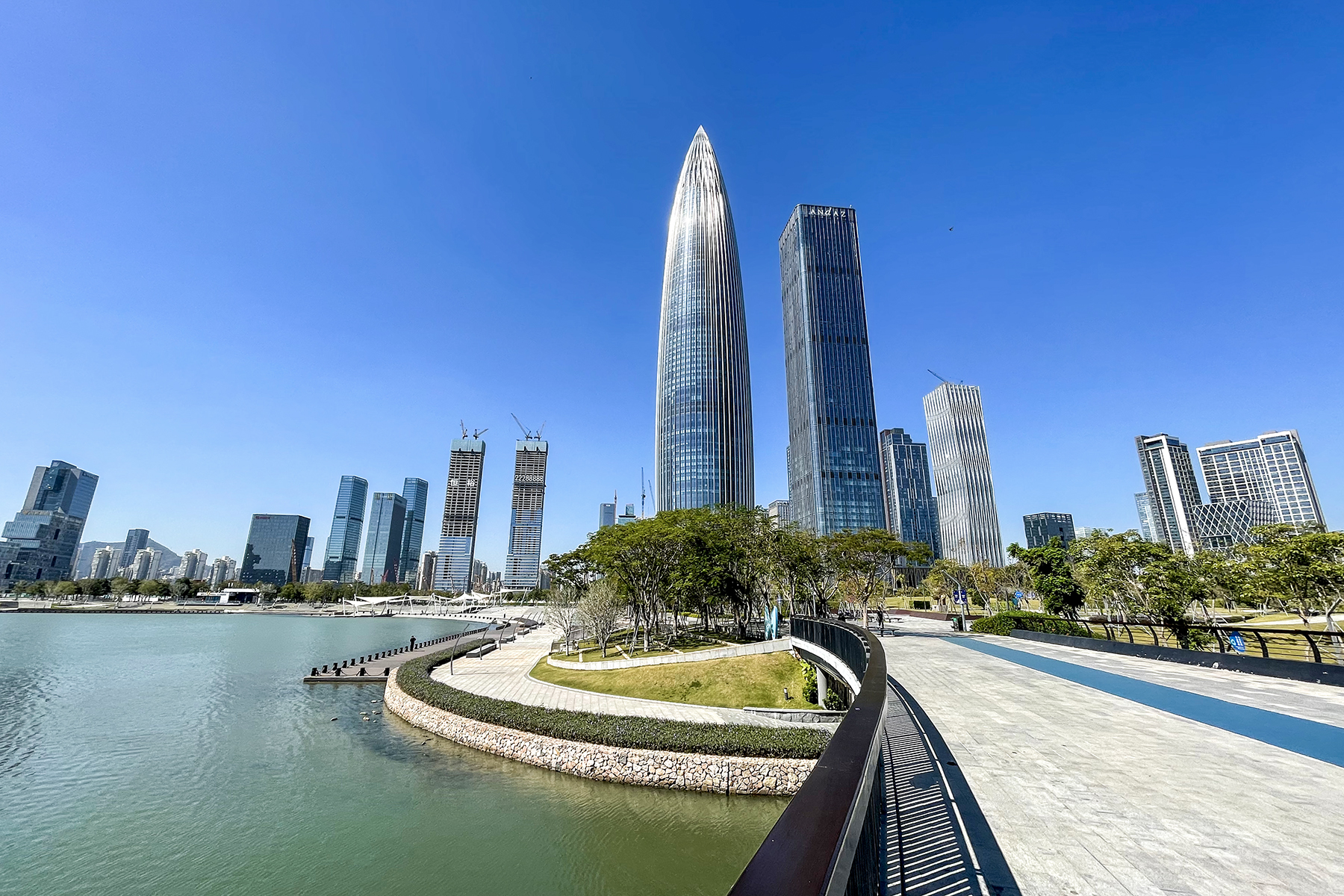
Shenzhen, a fishing village when it was selected, became a production hub by offering tax holidays, cheap land, and relaxed labor rules to overseas firms.
The state observed which industries could scale, then replicated the model across other coastal cities. By the time China entered the WTO, it had a decade of export-processing experience and a growing base of homegrown suppliers.
Cheap labor is not a strategy
The first growth phase relied on labor-intensive work: textiles, toys, simple electronics. Margins were thin, but volume was immense. GDP expanded at roughly 9 to 10 percent annually from the late 1970s until the mid-2010s. That pace was unsustainable on low wages alone. Rising payrolls, an aging population, and environmental degradation forced a pivot toward higher-value output.
Plans that name the destination
The 14th Five-Year Plan, covering 2021 to 2025, explicitly prioritizes self-reliance in core areas, digital transformation, and green energy. Earlier plans had stressed infrastructure and heavy industry. The progression is visible in the sectoral targets: where the 11th plan emphasized steel and cement, the 14th plan names artificial intelligence, quantum computing, and semiconductor independence.
Made in China 2025 and Sectoral Targeting
The blueprint that startled the world
Made in China 2025, launched by the State Council in 2015, was Beijing's most explicit industrial ambition document. It identified ten priority sectors: next-generation information technology, high-end numerical control machinery, aerospace equipment, new-energy vehicles, and advanced medical devices among them. It set local-content thresholds: by 2025, 70 percent of key components in targeted industries were to come from Chinese firms.
How the money moved
The initiative fused subsidies, preferential procurement, and technology-transfer requirements. State-owned banks lent to domestic champions at below-market rates. The National Development and Reform Commission screened foreign acquisitions that could bring intellectual property onto the mainland.
The backlash was swift
The Trump administration launched a trade war in 2018 explicitly aimed at industries listed in the plan. Brussels opened investigations into Beijing's subsidies for steel, aluminum, and solar panels. Whether specific targets have been formally scrapped or simply rebranded in later policy papers is unclear. The strategic direction has not reversed.
State-Owned Enterprises and Indigenous Innovation
Patient capital with a mission
State-owned enterprises remain the primary execution arm for industrial policy in strategic sectors. In aerospace, rail equipment, telecommunications, and energy, SOEs receive direct capital injections, guaranteed contracts, and preferential access to land and credit. The state does not expect these firms to maximize short-term profit. It expects them to achieve technological milestones: a homegrown passenger aircraft, a high-speed rail network, a commanding 5G patent portfolio.
The vulnerability that drives urgency
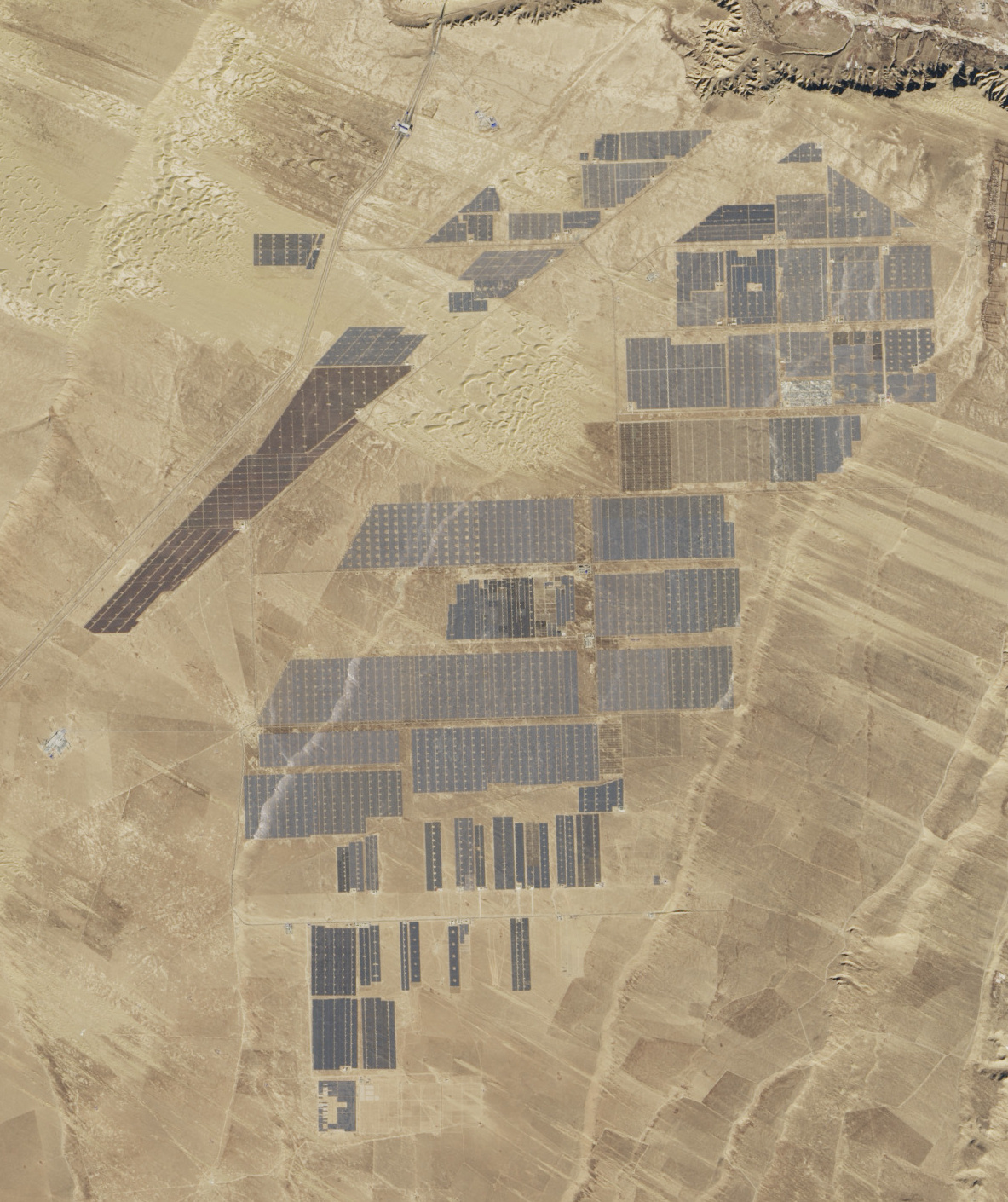
The push for indigenous innovation is not mere pride. Dependence on foreign know-how creates exposure. After Washington restricted sales of advanced chips and fabrication equipment to Huawei and SMIC, Beijing poured resources into domestic semiconductor design tools and fabrication capacity. Results have been uneven. Solar panels and EV batteries now dominate global markets. Advanced logic chips remain years behind the frontier.
Exporting the playbook
The Belt and Road Initiative, launched in 2013, extended this logic overseas. Beijing's state firms build ports, railways, and power plants in partner countries, financed by state banks. These projects export infrastructure standards and create demand for Chinese equipment, locking in dependencies that last decades.
Global Consequences and Unresolved Tensions
A rules gap at the center
The economic model that carried China to middle-income status now generates sustained friction with Western economies. The core problem is structural. China's state-guided capitalism deploys tools the WTO framework was never built to police: directed credit, forced technology handovers, and procurement preferences that are functionally discriminatory without being formally so. The US and EU have retaliated with tariff walls, export controls, and their own industrial policies, such as the CHIPS Act and the Critical Raw Materials Act.
Demographics close the low-cost chapter
Internally, the model faces headwinds no Five-Year Plan can repeal. China's working-age population began shrinking in 2022. The labor-intensive expansion that powered three decades is gone. The state's answer, automation and higher output per worker, demands the very cutting-edge semiconductors and precision tools Western export controls aim to restrict.
What comes after catching up
The trade war continues in modified form, and technological decoupling is accelerating. The machinery that worked for catching up may not work for leading. China's next Five-Year Plan will reveal whether the state can pivot once more, or whether the institutional reflexes forged over four decades of state-led growth have become a constraint instead of an engine.
Key Facts
- First Special Economic Zones established: 1980
- WTO accession date: December 11, 2001
- China became world's largest manufacturing economy: 2010
- Made in China 2025 launched: 2015
- Average annual GDP growth (late 1970s to mid-2010s): Approximately 9-10%
- 14th Five-Year Plan period: 2021 to 2025