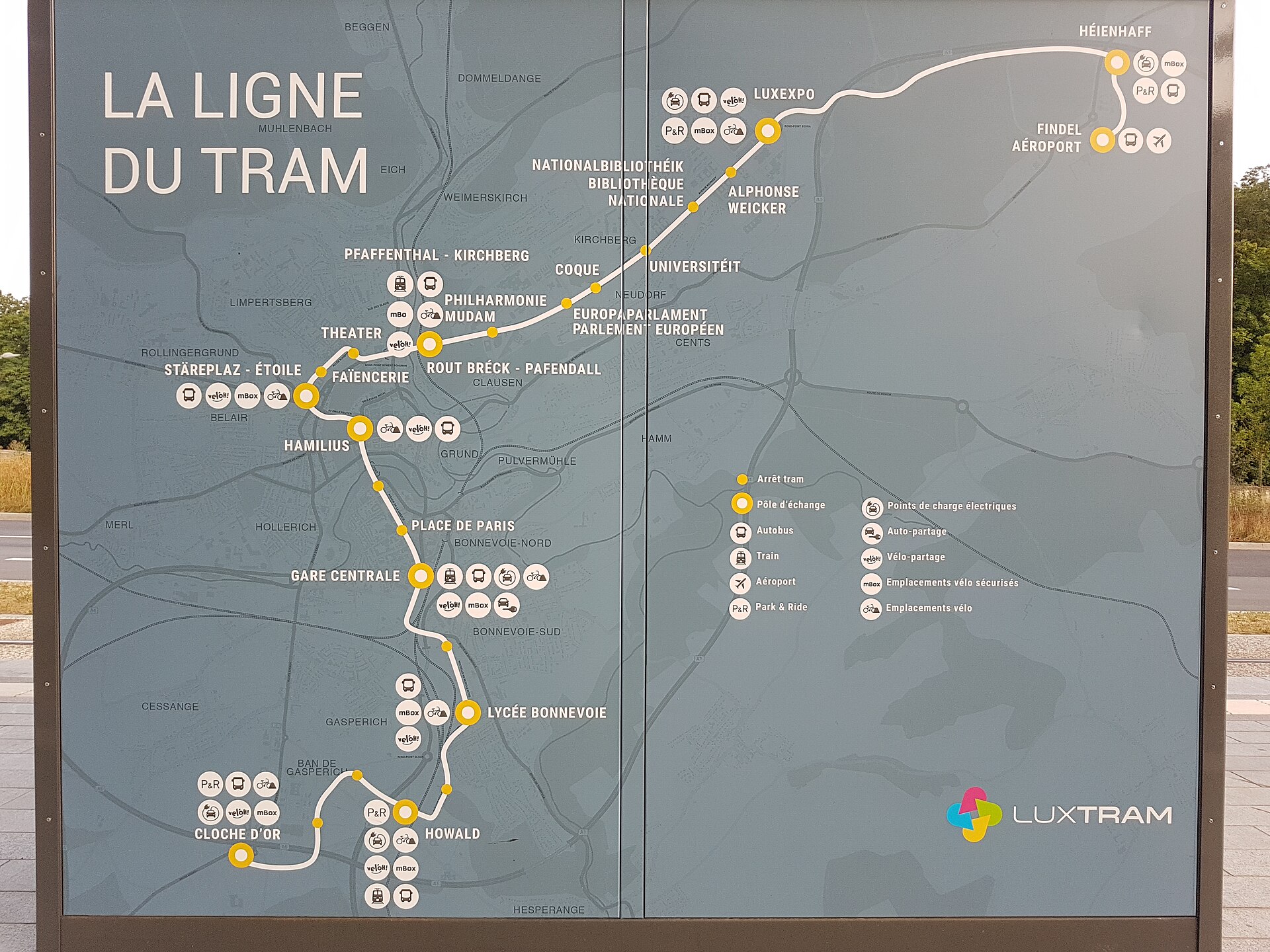
Abolishing fares on buses and trains, proponents argue, delivers a windfall for the climate. The logic feels straightforward: make public transport free and drivers will abandon their cars. Cities that have run the experiment tell a messier story. In Tallinn, Luxembourg, and Dunkirk, the bulk of new boardings did not come from cars. They came from walking, cycling, or trips that simply would not have existed before. The ecological promise of fare-free networks is far shakier than advocates suggest.
Estonia’s capital Tallinn became the first major European city to erase transit fares for registered residents in January 2013. A 2019 study in Transportation Research Part A recorded a jump in bus boardings, yet the switch from driving was negligible. Most newcomers had been on foot. Traffic volumes and emissions barely budged. Luxembourg raised the stakes on 29 February 2020, scrapping fares nationwide. Dunkirk, France, zeroed out its bus tickets in September 2018 and posted a sharp rise in passenger numbers, but a 2021 paper in Transportation Research Part D found the modal shift was overwhelmingly out of walking and cycling, not private cars.
These outcomes carry weight because the transport sector spews roughly 20 to 25 percent of global CO2, and road vehicles account for most of it. Any policy that consumes millions in lost fares and extra capacity must dislodge car trips to earn its place as a climate tool. The record so far shows that ditching tickets, by itself, does not pull that off.

Where the riders come from determines the emissions outcome
The induced-demand wrinkle
Fare-free travel also stirs up trips that would not otherwise happen. When a journey costs nothing at the point of use, people make more journeys. Some of those extra rides sit on buses, and those rides generate emissions even if the vehicle would have run anyway. The net climate arithmetic turns on whether the new journeys elbow out car trips elsewhere, which they typically do not.
Running more buses has its own carbon cost
Buses versus heavy rail
The gulf between free local buses and free metro or heavy rail matters. Rail systems boast lower marginal emissions per passenger-kilometre thanks to scale and widespread electrification. But they also shoulder heavy fixed emissions from construction and upkeep. The ecological case for free rail is more defensible than for free buses, provided the network already exists with room to spare. Building fresh rail capacity to soak up fare-induced demand would take decades and unload enormous construction emissions.
The cost per tonne of CO2 is high compared with other policies
Cheaper and sharper alternatives
Congestion charging puts a direct price on the harm drivers cause and simultaneously feeds money into better services. Electrifying a bus fleet slashes emissions from existing routes regardless of what passengers pay. Free fares undercut both approaches: they eliminate a revenue stream that could otherwise fund cleaner vehicles, higher frequencies, or network growth.
Free transit does not fix the land use problem
Sprawl makes service dirtier
Low-density suburbs force longer routes with fewer boardings per kilometre, raising emissions per passenger journey. The net result can be higher overall transport pollution, even if the mode share of public transport inside the urban core climbs.
The ecological argument for zero-fare networks is not zero. In a dense city that runs a low-carbon fleet and pairs free rides with congestion charging, free boardings might nibble at car use on the margin. But the live trials in Tallinn, Luxembourg, and Dunkirk demonstrate that erasing fares on its own does not unlock the modal jolt that climate policy demands. The real question is not whether gratis travel is well-liked. It is whether the same money, ploughed into electrification, better frequencies, or road pricing, would cut more pollution. The balance of the evidence says it would.
Key facts
- Tallinn fare-free scheme: Introduced January 2013 for registered residents. Study in Transportation Research Part A (2019) found minimal shift from cars; most new riders were former pedestrians.
- Luxembourg nationwide free transit: Began 29 February 2020. First country to make all public transport free. Net CO2 reduction not established.
- Dunkirk free bus network: Launched September 2018. Study in Transportation Research Part D (2021) found modal shift largely from walking and cycling, not cars.
- Germany 9-euro ticket: Temporary monthly ticket for June-August 2022. Cost far less than full fare abolition.
- Transport sector emissions: Accounts for roughly 20-25% of global CO2, with road vehicles responsible for the vast majority.