Sponsorship is how most of professional sport is actually financed. A shirt front, a stadium name, a competition title and a jersey on a cycling team are all the same transaction in different clothing: a company buys attention that a sport has already gathered, and the sport gets the cash it cannot raise from tickets alone.
This section follows that money. It covers who is paying, what they are paying for, how the price is arrived at, and what happens to a sport when the money changes character or leaves altogether.
What sponsorship actually buys
A sponsorship is not advertising, though it is often priced against it. An advertiser buys an audience for thirty seconds. A sponsor buys an association, usually for years, and takes on the sport's reputation along with its reach. That is why gambling money in football became a policy question rather than a commercial one, and why a club owned by a state fund paying its own related companies for sponsorship became a regulatory fight rather than a marketing story.
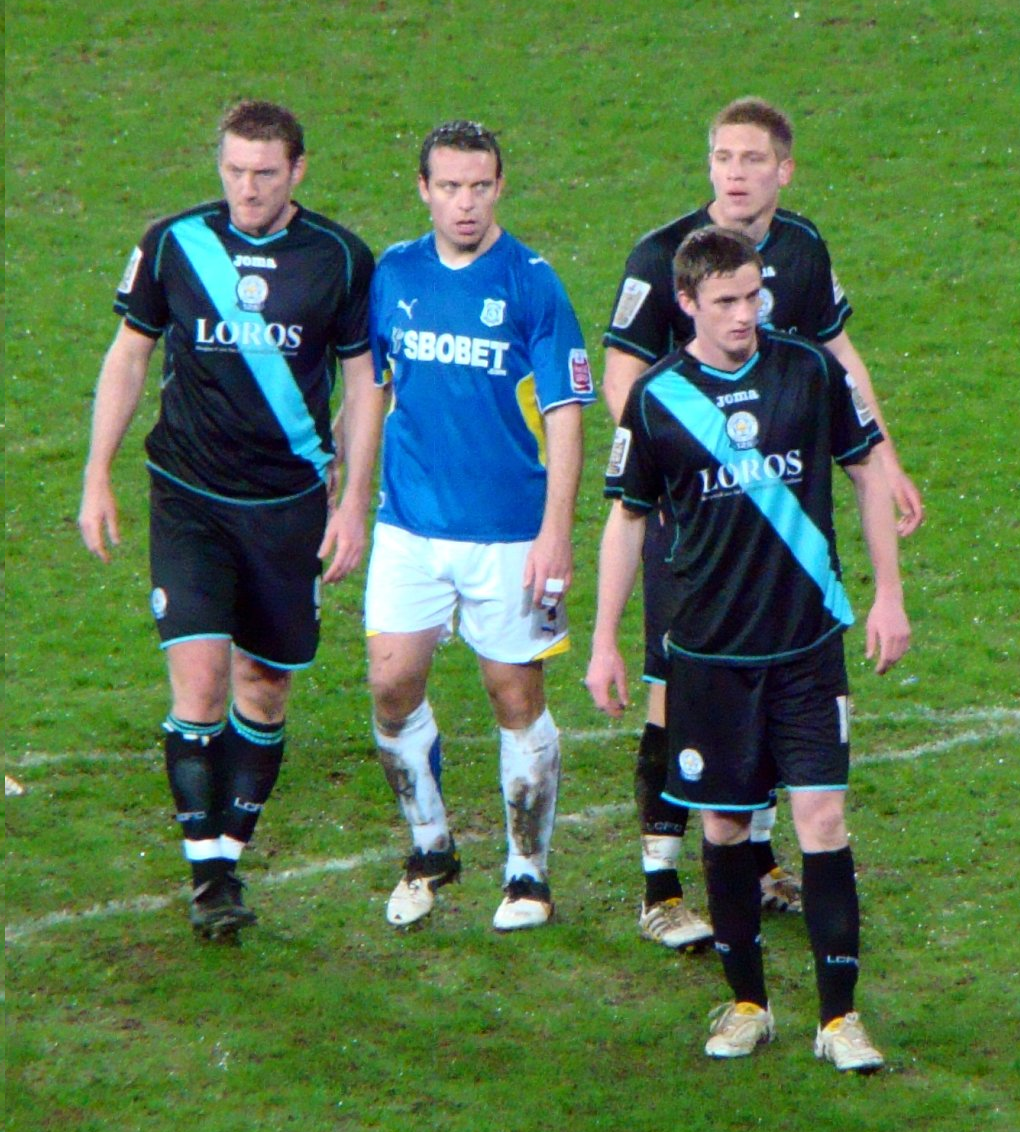
It also explains the shape of the market. Title sponsorship of a competition is scarce and priced accordingly. Shirt fronts are scarcer still, which is why their value has held up through every downturn in the rest of sports marketing. Sleeve, training-kit and regional deals exist because the inventory above them sold out.
Why the annual pages matter
A large part of this archive answers one recurring question: who sponsored what, in a given season. Those pages are deliberately anchored to their season. A sponsor roster is a snapshot, and a page that quietly rewrites its own history is less useful than one that says which year it describes.
Read together they show the trend the single-season pages cannot: which categories entered a sport, which left, and what the governing body did about it.
Owners, stadiums and the rest of the money
Sponsorship does not sit on its own. Who owns a club decides which sponsors it can attract and, increasingly, whether those sponsors are genuinely independent. A new stadium is usually financed on the assumption of naming rights and premium hospitality that have not been sold yet. And the players themselves have become businesses, with trademark portfolios, investment vehicles and post-career companies that outlast the shirt they were photographed in.
Those threads are covered here too, because the sponsorship story does not make sense without them.