The 2019-20 English Premier League season was the first in which the league carried no title sponsor. After the 2015-16 campaign, the league let its naming-rights agreement with Barclays lapse. The bank had been paying a reported £40 million a year, a figure the league itself never confirmed. No replacement was sought. The Premier League adopted a clean brand strategy, with its own crest sitting alone on every match shirt's sleeve. EA Sports did begin a sleeve sponsorship that season, taking over from Cadbury.
The season concluded in July 2020 with Liverpool lifting the trophy, having been suspended in March 2020 because of the COVID-19 outbreak. The health crisis rippled through sponsorship renewals and valuations across the division. Everton cut short its front-of-shirt deal with SportPesa at the close of the campaign, and the hiatus in play injected uncertainty into several other agreements signed before the lockdown.
The total estimated combined value of the 20 clubs' main shirt partnerships for the 2019-20 season reached £349.1 million. The Big Six clubs, Manchester United, Manchester City, Liverpool, Arsenal, Chelsea and Tottenham Hotspur, accounted for £264 million of that sum, or roughly 76 percent.

The Big Six shirt deals dominated the league's commercial revenue
United's Chevrolet deal led the field
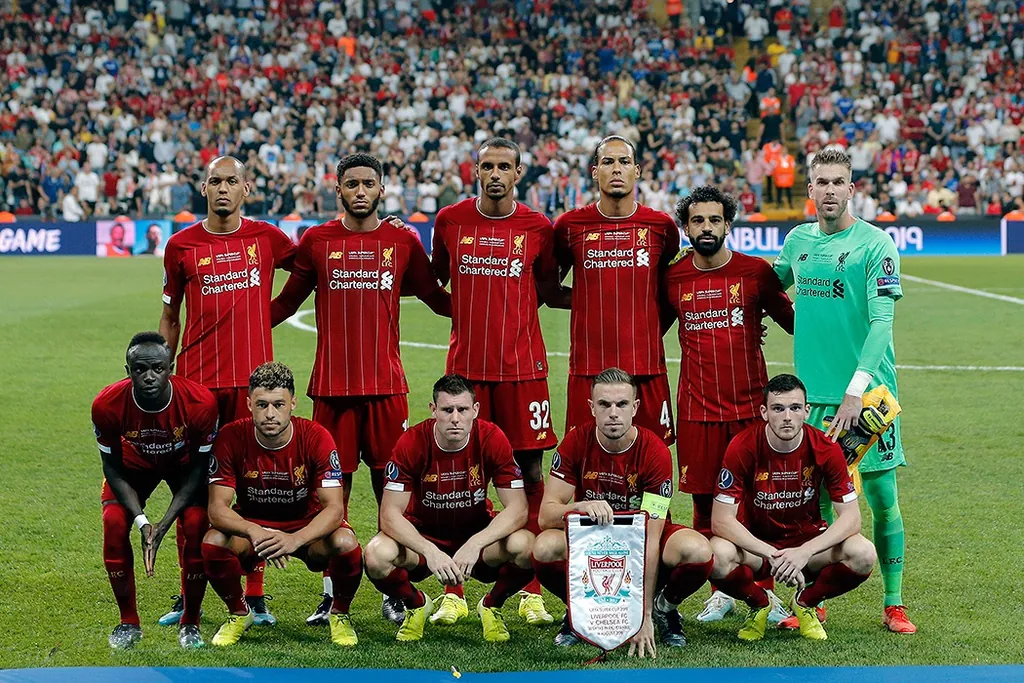
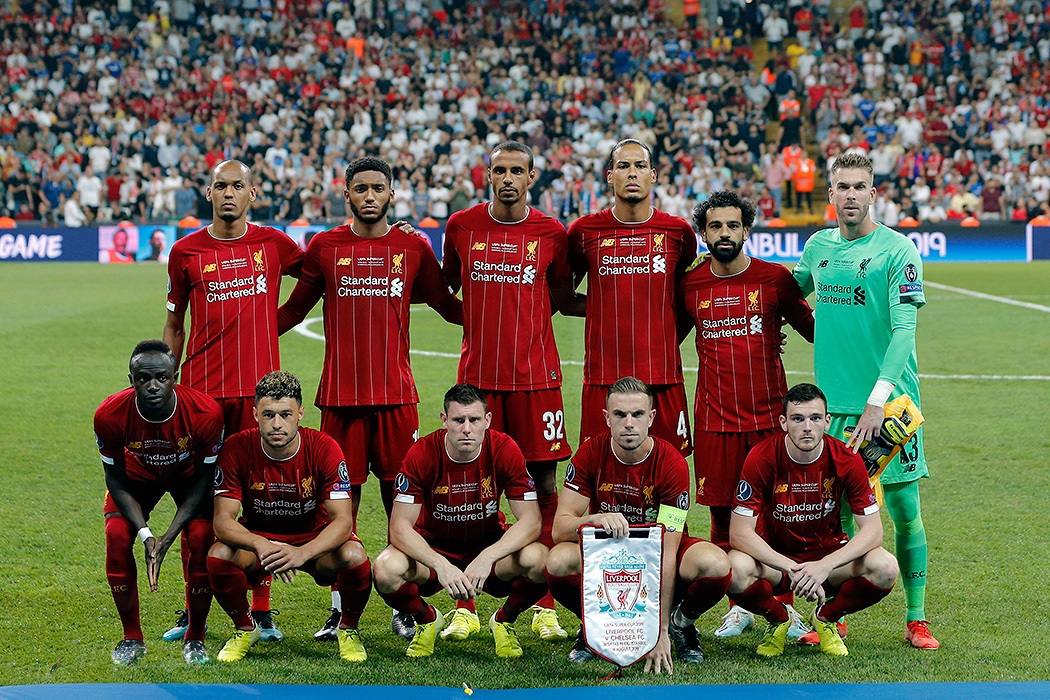
Manchester United held the league's largest main shirt agreement. Chevrolet paid a reported £64 million a year to appear on the United jersey, nearly double the next-biggest deal. Manchester City's arrangement with Etihad Airways was widely reported at £45 million a year. Arsenal, Chelsea and Liverpool each had partnerships worth a reported £40 million a year, with Fly Emirates, Yokohama Tyres and Standard Chartered respectively. Tottenham Hotspur's deal with AIA sat at a reported £35 million annually. All figures are estimates compiled by industry analysts; clubs rarely disclose exact terms.
The revenue gap between the Big Six and the rest
The Big Six captured £264 million of the total £349.1 million in shirt revenue. The remaining 14 clubs divided the other £85.1 million. That concentration gave the top six an average main shirt deal of £44 million, while the other 14 averaged roughly £6.1 million. The chasm between the wealthiest and poorest clubs in shirt income outstripped the gap in broadcast revenue, which the league distributes more evenly.
Betting brands and an early exit
Everton, outside the Big Six, had one of the larger deals among the rest. SportPesa paid an undisclosed sum widely reported in the low tens of millions, but the club terminated the agreement early at the end of the 2019-20 campaign. Wolverhampton Wanderers carried ManBetX, Newcastle United displayed Fun88 and Burnley wore LoveBet. All three were betting companies, a category that would face tighter regulation in the years that followed.
Kit manufacturers varied across the league, with Adidas and Nike covering the most clubs
Adidas, Nike and the challengers
Kit manufacturer contracts were separate from main shirt partnerships. Adidas supplied kits for Manchester United, Arsenal and Leicester City. Nike supplied Chelsea, Tottenham Hotspur and Brighton and Hove Albion. Puma was the kit manufacturer for Manchester City. New Balance supplied Liverpool. The remaining clubs drew on a mix of manufacturers including Umbro, Macron and Joma.
The value of the stitching
The kit manufacturer agreements were generally smaller in value than main shirt sponsorships, though they still represented meaningful revenue. Adidas paid Manchester United a reported £75 million a year in a deal that began in 2015, a figure that exceeded the Chevrolet shirt arrangement. Nike paid Chelsea and Tottenham less, though exact numbers were not disclosed for all clubs. The Premier League's official match ball for the 2019-20 season, the Nike Merlin, came through a separate league-level contract, not a club deal.
The clean brand strategy and sleeve sponsorship marked a shift in league-level commercial approach
Why the league walked away from a title sponsor
The Premier League's decision to drop its title partner after the Barclays agreement expired was unusual for a major sports league. Most European football leagues and American sports leagues sell naming rights to a single backer. The Premier League instead chose to market itself as a standalone brand, with no title sponsor. Its own logo appeared on the sleeve of every match shirt, and the league sold sleeve sponsorship rights separately.
From Cadbury to EA Sports
The first official sleeve sponsor was Cadbury, which began in the 2017-18 campaign. EA Sports replaced Cadbury for the 2019-20 season. EA Sports paid an undisclosed amount to place its branding on the sleeve of every Premier League match shirt. The deal was a natural fit given EA Sports' long-running FIFA video game series, which features the league.
Club-level sleeve deals
Individual clubs also carried sleeve sponsors. Manchester United had a sleeve arrangement with Kohler, Manchester City had one with Nexen Tire, and Arsenal had one with Visit Rwanda. Not all clubs had sleeve sponsors, and the values of those deals were generally much smaller than main shirt agreements. The league-level sleeve deal with EA Sports was separate from any club-level sleeve sponsorship.
The COVID-19 suspension reshaped the sponsorship landscape for the following season
A season split in two
The 2019-20 campaign was suspended in March 2020 because of the COVID-19 outbreak. Matches resumed in June 2020 without spectators and the season concluded in July 2020 with Liverpool clinching the title. The interruption created financial strain for many clubs, and several sponsorship agreements were renegotiated or terminated.
Everton walked away, others stayed put
Everton's early termination of its SportPesa deal was one example. The betting company had been a main shirt partner since 2017, but the club ended the agreement at the close of the 2019-20 season. Everton later signed a deal with a different company. Other clubs with betting partners, including Wolverhampton Wanderers, Newcastle United and Burnley, kept their agreements for the 2020-21 campaign, though the regulatory environment for gambling advertising was tightening.
Lower offers in a locked-down market
The health crisis also depressed the value of new sponsorship agreements. Clubs that had been negotiating renewals or fresh deals during the lockdown period faced lower offers than they had expected before the outbreak. The total combined value of main shirt deals for the 2019-20 season, £349.1 million, was not repeated in the following campaign as several clubs accepted reduced payments.
Key facts
- Title sponsor: None (clean brand strategy)
- League sleeve sponsor: EA Sports (replaced Cadbury)
- Official match ball: Nike Merlin
- Total main shirt deal value (all 20 clubs): £349.1 million (industry estimate)
- Big Six share of total: £264 million (76%, industry estimate)
- Largest main shirt deal: Manchester United and Chevrolet, £64 million a year (industry estimate)
- Season champion: Liverpool
- Season suspended: March 2020 due to COVID-19
- Season concluded: July 2020
- Notable termination: Everton ended SportPesa deal at season end
Main shirt sponsors and estimated annual values for the 2019-20 Premier League clubs
| Club | Main shirt sponsor | Estimated annual value | Kit manufacturer |
|---|---|---|---|
| Manchester United | Chevrolet | £64 million (industry estimate) | Adidas |
| Manchester City | Etihad Airways | £45 million (industry estimate) | Puma |
| Arsenal | Fly Emirates | £40 million (industry estimate) | Adidas |
| Chelsea | Yokohama Tyres | £40 million (industry estimate) | Nike |
| Liverpool | Standard Chartered | £40 million (industry estimate) | New Balance |
| Tottenham Hotspur | AIA | £35 million (industry estimate) | Nike |
| Everton | SportPesa | Not disclosed (terminated) | Umbro |
| Wolverhampton Wanderers | ManBetX | Not disclosed | Adidas |
| Newcastle United | Fun88 | Not disclosed | Puma |
| Burnley | LoveBet | Not disclosed | Umbro |
| Leicester City | King Power | Not disclosed | Adidas |
| Aston Villa | W88 | Not disclosed | Kappa |
| Bournemouth | M88 | Not disclosed | Umbro |
| Brighton & Hove Albion | American Express | Not disclosed | Nike |
| Crystal Palace | ManBetX | Not disclosed | Puma |
| Norwich City | LeoVegas | Not disclosed | Errea |
| Sheffield United | Union Standard Group | Not disclosed | Adidas |
| Southampton | LD Sports | Not disclosed | Under Armour |
| Watford | Sportsbet.io | Not disclosed | Adidas |
| West Ham United | Betway | Not disclosed | Umbro |
FAQ
Why did the Premier League have no title sponsor in the 2019-20 season?
The Premier League adopted a clean brand strategy after the Barclays deal ended following the 2015-16 campaign. The league decided not to sell naming rights to a single backer, instead marketing itself as a standalone brand.
Which club had the most valuable main shirt sponsorship deal in the 2019-20 season?
Manchester United had the largest deal, with Chevrolet paying a reported £64 million a year, according to industry estimates.
How did the COVID-19 outbreak affect Premier League sponsorships in the 2019-20 season?
The season was suspended from March to June 2020. The pause in play led to renegotiations and some terminations, including Everton ending its SportPesa deal. The outbreak also reduced the value of new sponsorship agreements for the following campaign.