Sir Mo Farah and Rafael Nadal have each turned their names, logos and signature celebrations into protected trademarks with the European Union Intellectual Property Office. Farah secured exclusive rights to his 'Mobot' pose. Nadal did the same for his 'Raging Bull' logo. Both athletes now license those marks for apparel, equipment, footwear, headgear and training programmes. The strategy safeguards income that can outlast their competitive careers.
Farah applied to protect the Mobot with the EUIPO after the pose became a fixture of his track victories. Nadal filed his Raging Bull logo across multiple Nice Classification classes, including class 25 for apparel, class 28 for games and sporting goods, and class 41 for education and entertainment services. The filings cover the European Union as a single jurisdiction, which simplifies enforcement across member states.
Usain Bolt had already set the precedent. Bolt protected his 'Lightning Bolt' victory pose years earlier, demonstrating that a gesture could be a valuable asset. Farah and Nadal followed the same logic: a pose that fans recognise is a pose that can sell T-shirts, caps and coaching programmes.

What Mo Farah Registered and Why
The Mobot as a trademark
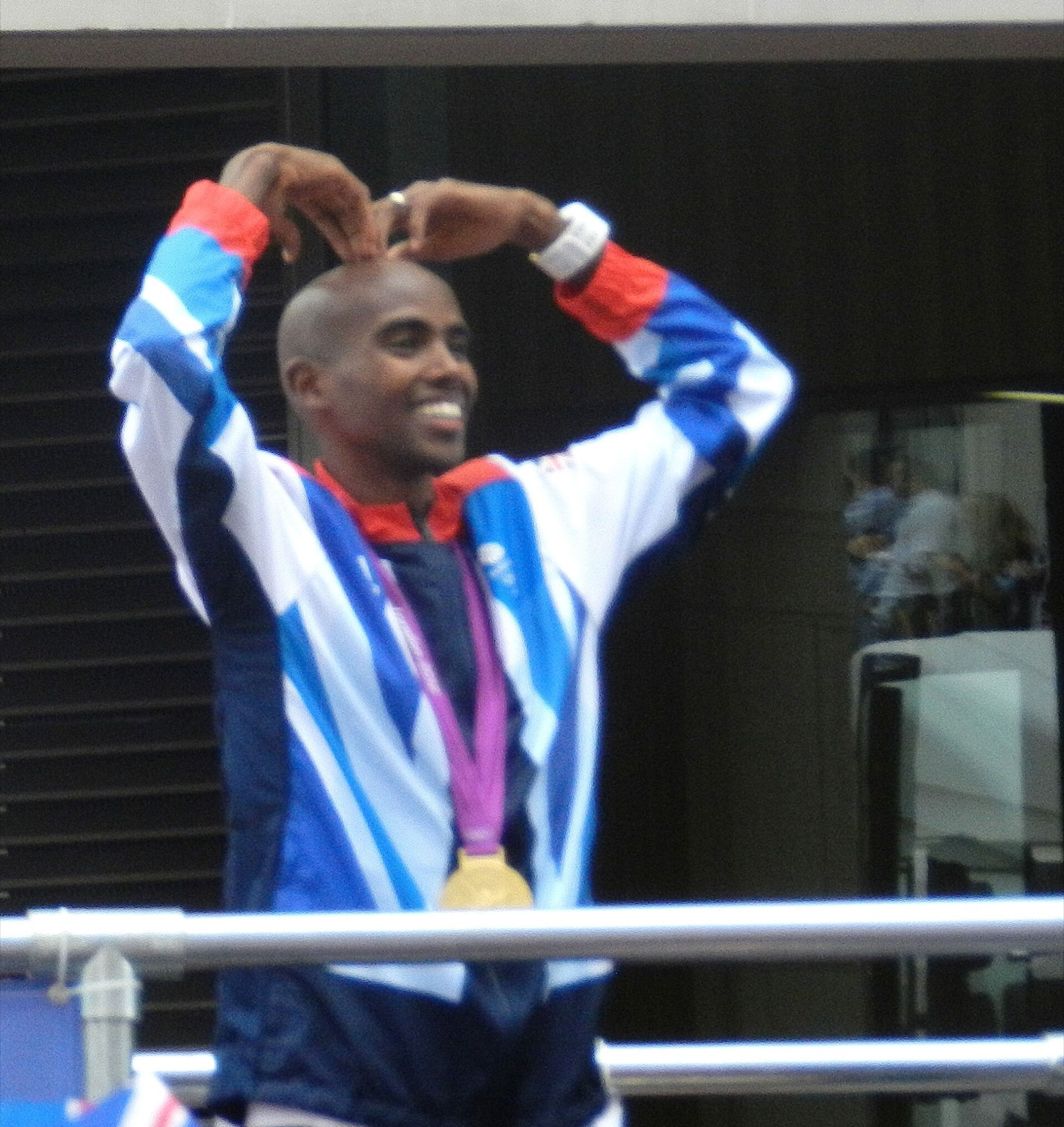
Mo Farah filed a trademark application for his Mobot celebration pose with the EUIPO. The mark covers the distinctive hand-to-head gesture he performed after winning distance races. The application succeeded. Farah now holds exclusive rights to use the Mobot on merchandise within the EU.
Farah also protected his name in 2017 for goods including apparel, footwear and headgear. That filing sits alongside the Mobot registration. Together they form the core of a portfolio that his company, Sir Mo Farah Ltd, manages. The company was incorporated in July 2017, shortly before the trademark activity. The corporate structure separates his personal brand from his athletic contracts and allows licensing deals to be negotiated by a dedicated entity.
The rationale is straightforward. A trademark stops third parties from selling unofficial merchandise that trades on his image. It also creates a licensable asset. A sportswear brand that wants to produce Mobot-themed training kit must pay a royalty to Sir Mo Farah Ltd rather than simply printing the pose without permission.
Rafael Nadal's Raging Bull and RAFA Marks
From logo to licensing programme
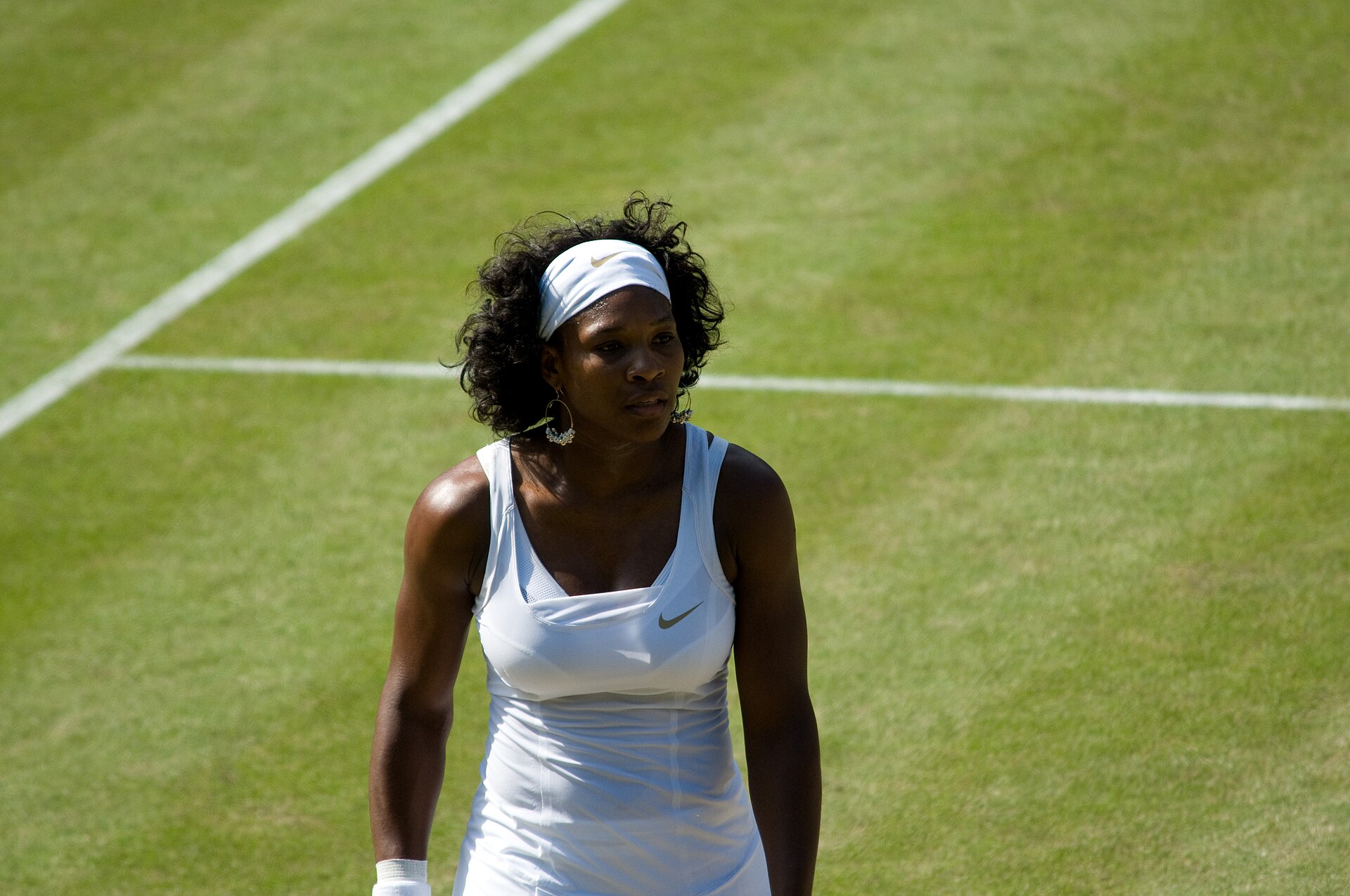
Rafael Nadal secured his Raging Bull logo as a trademark with the EUIPO. The logo, a stylised bull's head, appears on his branded merchandise and at his tennis academies. He also obtained protection for his name and his 'RAFA' brand. The filings cover multiple Nice Classification classes: class 25 for apparel, class 28 for sports equipment, and class 41 for education and entertainment services. The last class matters because Nadal's tennis academies generate revenue from coaching and holiday programmes, not just from selling T-shirts.
The Raging Bull mark is actively used. It is not a defensive filing that sits unused in a registry. Nadal's authorised apparel lines carry the logo, and the academies in Mallorca and elsewhere use it in their branding. The mark has become a visual shorthand for his playing style: aggressive, relentless and unmistakable.
His approach mirrors Farah's in structure but differs in scope. Where Farah's portfolio centres on one pose and his name, Nadal has built a broader family of marks that covers his nickname, his logo and his full name. The wider coverage reduces the risk that a competitor could secure a similar mark in a related class.
How the EUIPO System Works for Athletes
One filing, 27 countries
The European Union Intellectual Property Office allows a single trademark application to cover all EU member states. An athlete who secures a mark with the EUIPO does not need to file separately in France, Germany, Spain and so on. That saves legal costs and simplifies enforcement. If a counterfeit operation in Italy sells fake Mobot merchandise, Farah can rely on his EU-wide protection rather than litigating under Italian law alone.
Most athlete trademark filings cluster in Nice Classification classes 25, 28 and 41. Class 25 covers apparel, footwear and headgear, the largest licensing category for sports stars. Class 28 covers games and sporting goods, including the equipment that fans buy. Class 41 covers education and entertainment, which matters for athletes who run academies or produce media content.
The EUIPO also publishes applications online, creating a public record. Other companies can see what an athlete has protected and avoid designing products that infringe. The transparency cuts both ways: it also tells competitors which categories the athlete considers important.
Post-Career Income and the Role of Management
Trademarks as retirement assets
A trademark does not retire when the athlete does. Farah and Nadal can continue to license their marks for decades after they stop competing. The Mobot and the Raging Bull logo are not dependent on race results or Grand Slam titles. They are standalone assets that fans associate with the athlete's peak years. A programme built on those marks can generate royalties for as long as the protection remains in force and the public remembers the gesture.
Management agencies and image rights companies typically execute these filings. The athlete's team identifies which symbols, poses and phrases have market value, then instructs trademark attorneys to prepare and submit the applications. The same team negotiates deals and monitors the market for infringements. Sir Mo Farah Ltd functions as that vehicle for Farah. Nadal's operations are handled by his own management structure, which has filed and maintained the Raging Bull and RAFA marks.
The precedent set by Usain Bolt showed that a celebration pose could be a protected trademark, not just a cultural meme. Both athletes followed that model and have each successfully secured their own signature gestures. The outcome is the same: exclusive rights to a piece of sporting iconography, obtained through the EUIPO and actively used in brand partnerships as of April 2024.
Key Facts
- Mo Farah Mobot trademark: Successfully registered with EUIPO
- Rafael Nadal Raging Bull trademark: Successfully registered with EUIPO, actively used on merchandise and academies
- Mo Farah company: Sir Mo Farah Ltd, incorporated July 2017
- Usain Bolt precedent: Trademarked Lightning Bolt victory pose before Farah and Nadal
- Primary trademark classes: Class 25 (apparel), Class 28 (sporting goods), Class 41 (education/entertainment)
- Status: Both athletes maintain active brand partnerships as of April 2024