In August 2024, control of the Women's Super League and the Women's Championship passed from the Football Association to Women's Professional Leagues Limited, an independent company owned by the 24 member clubs. The FA had run the WSL since its founding in 2010 as a semi-professional league, but the 2022 UEFA Women's EURO win, which drew a record 87,192 to Wembley, made the old structure untenable. The new entity, often called NewCo, separates the commercial arm of the women's game from the FA's regulatory role and gives clubs direct control over income distribution and investment. The Premier League provides funding to FA women's football but does not own WPLL. Yet the clubs that own the Premier League also own the most valuable women's sides, and that overlap shapes every part of the business of women's football in England.
How much of the women's game's growth is genuine commercial momentum and how much is subsidised by the men's game? As of March 2024, the WSL has real broadcast and sponsorship income but remains dependent on Premier League club subsidies for its top-end running. The gap between the richest women's sides and the rest is wider than in the men's Premier League, and the new governance structure was designed partly to address that.

The Broadcast Deal That Changed the Income Floor
A rights fee that approached professional levels
In March 2021, the FA announced a three-year broadcast deal with Sky Sports and the BBC worth a reported 7 to 8 million pounds per season for the WSL. That was the first time the league had sold its rights for a fee that approached professional levels. Before the deal, WSL matches were mostly streamed on the FA's own platform or carried by the BBC for minimal rights fees. The Sky Sports and BBC arrangement, which began in the 2021-22 season, put top WSL fixtures on the same channels as Premier League football and gave the league a fixed income stream it had never had.
Ten times the previous arrangement
The deal covered 35 to 44 matches per season on Sky Sports and 22 on the BBC. The financial terms were not disclosed by the broadcasters, but the reported 7 to 8 million pounds per season was roughly ten times the value of the previous arrangement. The money was distributed among WSL clubs, though the exact split is not public. The deal was negotiated before the 2022 EURO win, meaning the rights were sold at a lower point in the league's commercial cycle. When the deal expires after the 2023-24 season, WPLL will negotiate the next round with higher audiences and attendance figures strengthening its hand.
Barclays Doubled Down Before the EURO Boost
The most valuable shirt sponsorship in women's club football
Barclays became the title sponsor of the WSL in 2019 in a deal reportedly worth over 10 million pounds over three years. That made it the most valuable shirt sponsorship in women's club football globally at the time. In 2021, Barclays renewed with a multi-year deal that reportedly doubled its investment. The renewed agreement covered both the WSL and the Women's Championship, the second tier, which had not previously had a title sponsor. The exact terms of the renewal signed in late 2024 are not established here, but the trajectory is clear: Barclays committed more money before the EURO win created a spike in public interest.
A revenue base before the broadcast deal
The sponsorship is structured as a title rights deal, meaning the league is officially called the Barclays Women's Super League and the Barclays Women's Championship. Barclays also runs community and grassroots programmes tied to the league. The bank's commitment matters because it provided a revenue base that allowed the FA to invest in central running costs before the broadcast deal was signed. Without the Barclays money, the league would have had less to offer broadcasters in 2021. The sponsorship is a rare example of a corporate partner increasing its investment in a women's sports property before the mainstream audience arrived, not after.
Premier League Clubs and the Gap Between Them
Eight clubs with top-flight backing
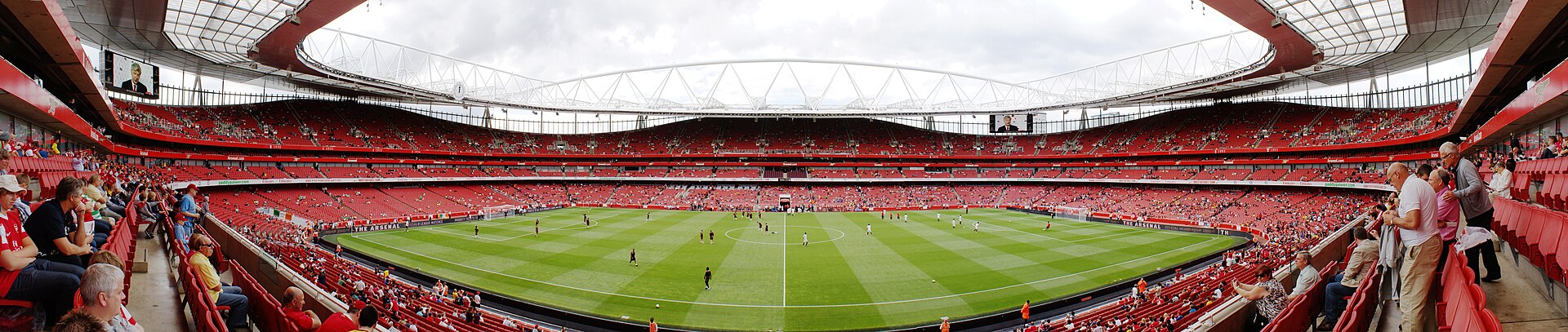
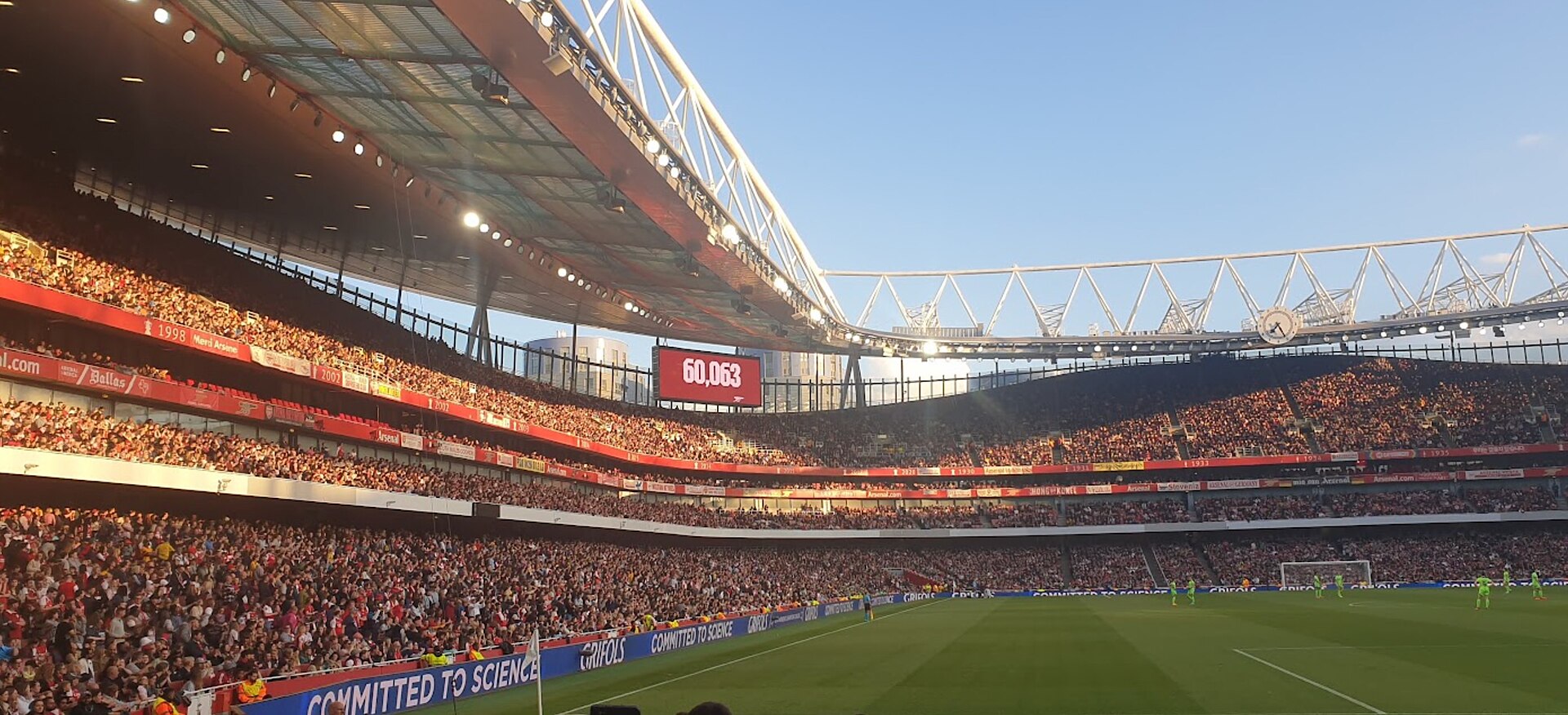
Eight of the twelve WSL clubs are affiliated with Premier League sides: Arsenal, Chelsea, Manchester City, Manchester United, Liverpool, Tottenham, West Ham, and Everton. The remaining four are independently owned or linked to clubs in other leagues. The Premier League clubs have invested heavily in their women's teams, particularly in infrastructure. Arsenal Women sold out the Emirates Stadium for a 2022-23 Champions League semi-final against Wolfsburg, drawing 60,063. Chelsea and Manchester City have regularly played home matches at Stamford Bridge and the Etihad respectively, drawing crowds that would have been unthinkable a decade earlier.
Spending power concentrated at the top
But those investments are not evenly distributed. The Premier League provides funding to FA women's football, but the exact mechanism changed with the creation of WPLL. Before the transfer, the FA used Premier League money to fund central running costs. Now, WPLL must negotiate its own relationship with the Premier League. The top clubs, which generate more matchday and commercial income from their women's sides, can spend more on player salaries and facilities. The gap between Arsenal, Chelsea, and Manchester City at the top and the rest of the league is larger than the gap between the top and bottom of the men's Premier League.
Smaller clubs hold a blocking vote
WPLL's governance structure gives each of the 24 member clubs a vote on major decisions, which means the smaller clubs can block changes that would concentrate more income at the top. Whether that holds as the commercial value of the top clubs grows is an open question.
The Governance Structure and the Premier League Question
Equal shares, supermajority rules
WPLL is owned by the 24 clubs in the WSL and Women's Championship. Each club holds an equal share, regardless of league position or turnover. Major decisions, including changes to the distribution of broadcast and commercial income, require a supermajority vote. That structure was designed to prevent the top clubs from capturing all the value, as has happened in other women's leagues where the richest clubs broke away. The FA retains a regulatory role but no longer controls the league's commercial arm.
Independence built on subsidy
The Premier League itself has no formal ownership stake in WPLL. But the Premier League clubs that own women's sides have significant influence within WPLL because they control the largest commercial engines and the biggest fan bases. The Premier League provides funding to FA women's football, but the exact mechanism changed with the creation of WPLL. Whether the Premier League has a formal option or pathway to directly absorb the WSL in the future is not established here. As of March 2024, the arrangement is that the women's league is independent but dependent on the men's league's clubs. That tension, between independence and subsidy, will define the next phase of the business of women's football in England.
Key Facts
- WSL founded: 2010, semi-professional
- Governance transfer: From FA to WPLL, effective 2024-25 season
- Broadcast deal (2021-24): Sky Sports and BBC, reported £7-8m per season
- Title sponsor: Barclays, first deal in 2019, renewed in 2021
- Record attendance (domestic): 60,063, Arsenal Women v Wolfsburg, 2022-23
- Record attendance (international): 87,192, England v Germany, EURO 2022 final
WSL Clubs with Premier League Affiliations (2023-24 Season)
| Club | Premier League Parent | Home Stadium (Women) |
|---|---|---|
| Arsenal Women | Arsenal FC | Emirates Stadium / Meadow Park |
| Chelsea Women | Chelsea FC | Stamford Bridge / Kingsmeadow |
| Manchester City Women | Manchester City FC | Etihad Stadium / Academy Stadium |
| Manchester United Women | Manchester United FC | Leigh Sports Village |
| Liverpool Women | Liverpool FC | Prenton Park |
| Tottenham Hotspur Women | Tottenham Hotspur FC | Brisbane Road |
| West Ham United Women | West Ham United FC | Chigwell Construction Stadium |
| Everton Women | Everton FC | Walton Hall Park |