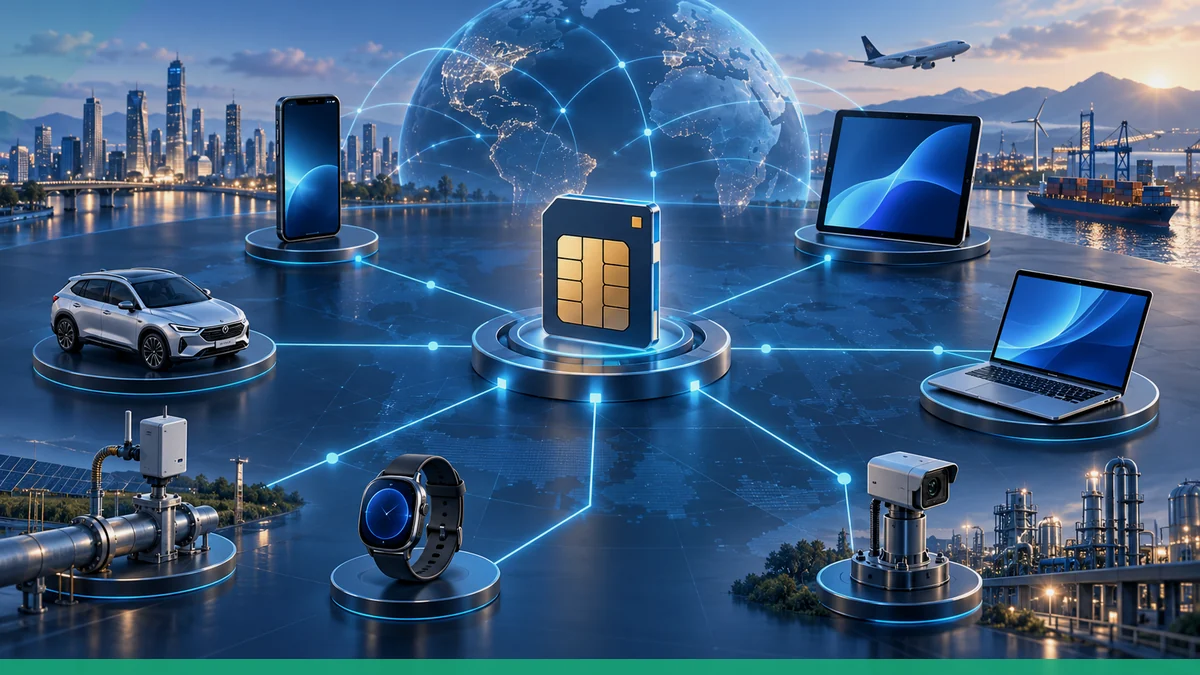
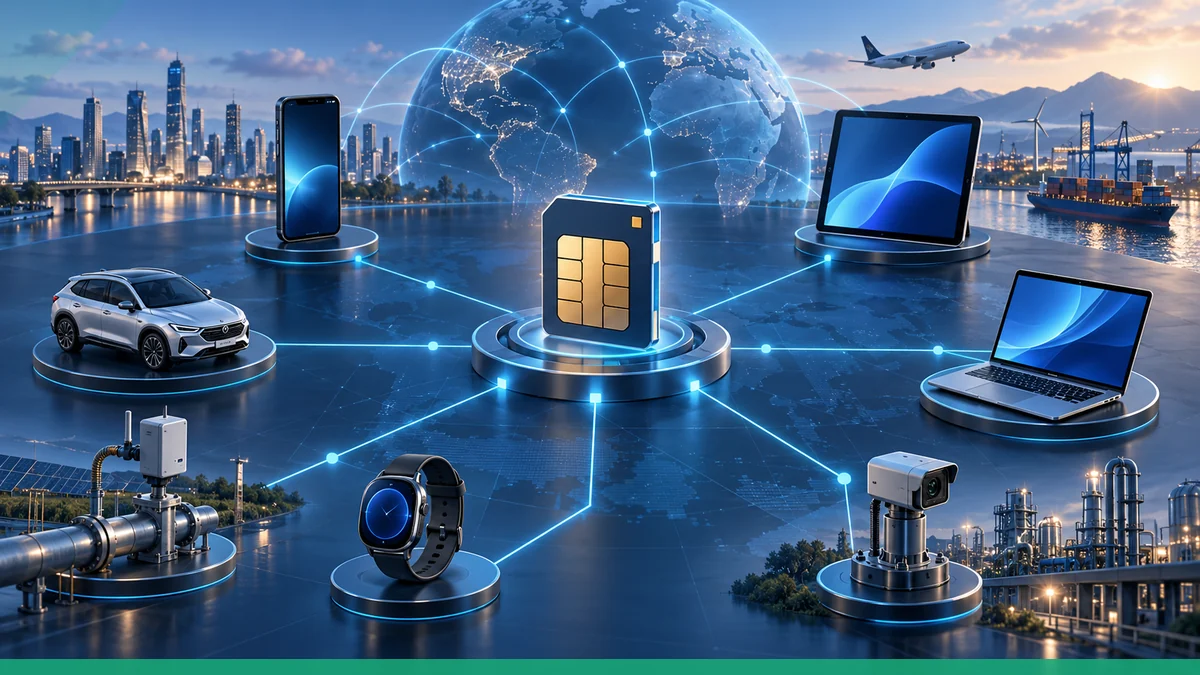
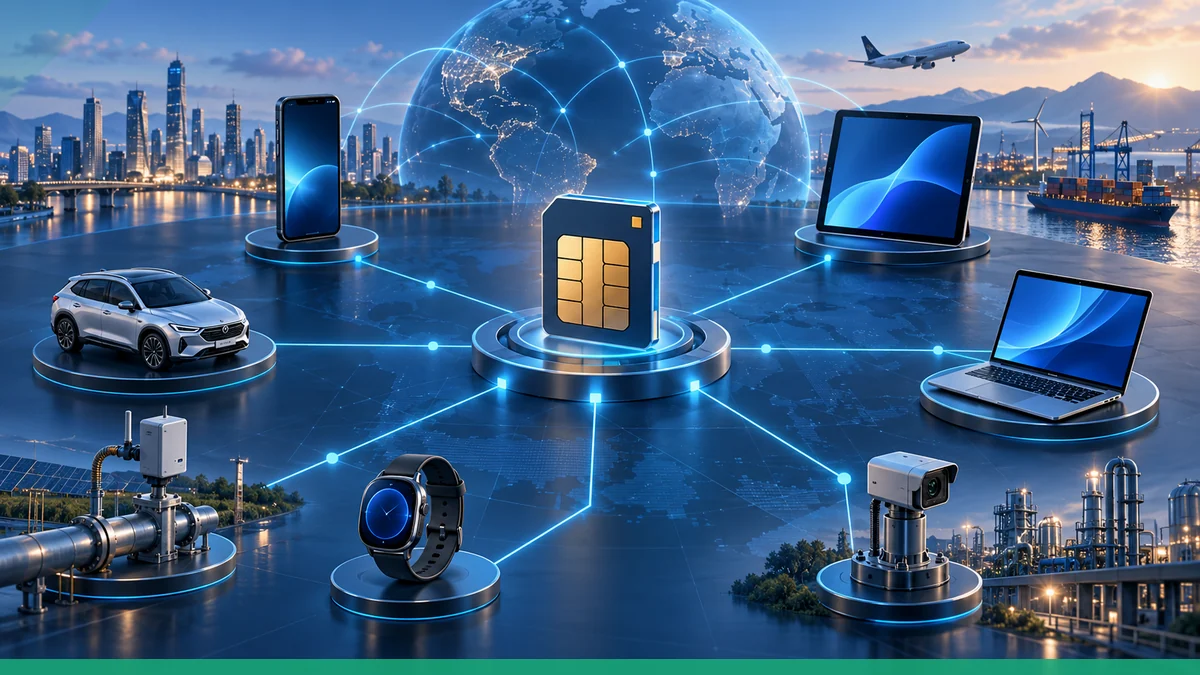
A digital twin is a virtual representation of an object, system or process that is continuously refreshed with real-time data from its real-world counterpart. Unlike a static 3D model or a simulation that runs once and is then filed away, a digital twin maintains a persistent, two-way link with the tangible asset. Turn the real pump, the valve, the structure, and the twin changes too. Adjust the twin, and you see what would happen to the real thing before you touch it.
The idea is not new. NASA used paired physical and virtual systems during the Apollo 13 mission in 1970, running simulations on the ground to find a safe return path for a spacecraft crippled by an explosion in orbit. The term itself was publicly introduced by Michael Grieves at a Society of Manufacturing Engineers conference in 2002. What has changed since then is the cost of sensors, bandwidth and compute. A digital twin that would have required a supercomputer in 2002 now runs on cloud infrastructure a small engineering firm can rent by the hour.
In the UK context, the question matters because the government has placed a bet on digital twins to cut the cost of infrastructure: rail, water, energy. The Centre for Digital Built Britain completed its core mission and closed in September 2022, with its functions transitioning to the Digital Twin Hub, now managed by the Connected Places Catapult. The UK government published the Transforming Infrastructure Performance: Roadmap to 2030 in 2021, embedding digital twin principles into policy. Whether that bet pays off depends on how well operators grasp what a digital twin actually is, and is not.
What Makes a Digital Twin Different from a 3D Model
The living record versus the snapshot
A 3D model is a snapshot. A digital twin is a living record. The distinction is data flow. A digital twin requires a tangible asset, a digital counterpart, and a data link that updates the twin in near real time. That link is typically made by Internet of Things sensors, measuring temperature, vibration, pressure, flow and location. The sensor data feeds analytics software that compares what is happening with what should be happening.
Why continuous data matters
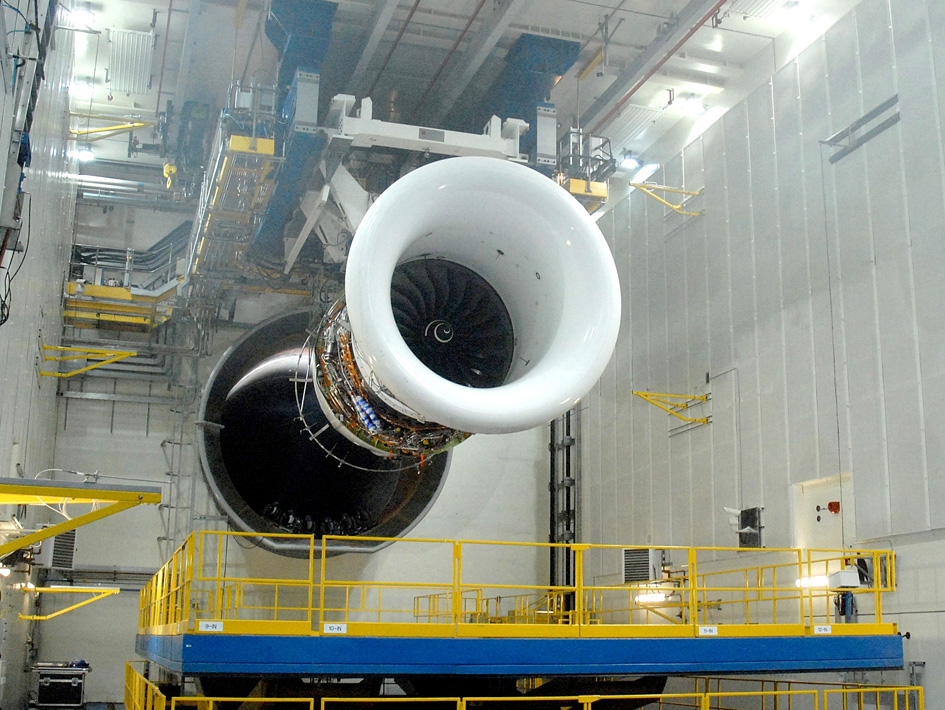
Without that continuous data feed, you have a simulation, not a twin. Simulations are useful for design and planning. They answer what-if questions at a point in time. A digital twin answers what is happening now, and what will happen next, because it runs on live data and a model that learns. Rolls Royce uses digital twins to monitor the health and performance of its jet engines in real time. The twin ingests sensor readings from inside the engine during flight, compares them to the engine's expected performance, and flags anomalies before they become failures. That is predictive maintenance, and it is one of the clearest economic arguments for the technology.
Scale: asset, system, process
The distinction also applies at varied scales. A digital twin of a single asset, such as a pump, is relatively simple. A digital twin of a system, such as a water distribution network, links dozens or hundreds of asset twins together. A digital twin of a process, such as the flow of patients through a hospital emergency department, models sequences and decisions, not just tangible objects. Each scale demands a distinct data architecture, but the principle is the same: live data, continuous update, actionable insight.
The UK Push for a National Digital Twin
From budget announcement to framework
The UK is unusual in pursuing a national-level approach to digital twins. The National Digital Twin programme was announced in the 2017 Autumn Budget. It was preceded by the National Infrastructure Commission's 2017 report Data for the Public Good, which recommended creating a national digital twin for UK infrastructure. The idea was not to build one giant model of everything, but to create a framework of common standards that would allow individual digital twins, built by separate organisations for separate purposes, to share data safely.
The Gemini Principles
The Centre for Digital Built Britain, a partnership between the University of Cambridge and the UK government's Department for Business, Energy and Industrial Strategy, was set up to develop that framework. In December 2018, it published the Gemini Principles, nine rules to guide the development of the national digital twin. The principles address purpose, trust, function and governance. They were designed to ensure that digital twins built by varied organisations could be connected without compromising security or commercial confidentiality.
Transition to the Digital Twin Hub
The Centre completed its core mission and closed in September 2022. Its functions moved to the Digital Twin Hub, now managed by the Connected Places Catapult. The hub is not a single digital twin. It is a community and a set of standards. Whether it evolves into something more tightly integrated will depend on whether the public and private sectors continue to fund it and adopt its protocols.
Digital Twins and BIM: What Overlaps and What Does Not
Intent versus performance
In UK construction, digital twins are often discussed alongside Building Information Modelling. BIM is a digital representation of a structure's physical and functional characteristics. It is used during design and construction. A BIM model typically stops being updated once the building is handed over to the operator. A digital twin starts being useful at the point the facility becomes live.
That is the key distinction: BIM is a record of intent, digital twin a record of performance. A BIM model knows what the architect specified. A digital twin knows what the temperature sensor on a specific floor actually reported at 2:47 pm on a Tuesday in January. The two can be connected. Many UK infrastructure projects, including Crossrail and the Thames Tideway Tunnel, have used BIM during construction and are now exploring how to extend those models into live digital twins. But they are not the same thing, and confusing them leads to disappointed expectations.
The sensor gap
The practical implication is that an organisation that has invested heavily in BIM has a head start on creating digital twins, but it still needs to add the sensor layer, the data pipeline and the analytics. That is where most of the cost and complexity sit. The Gemini Principles and the Roadmap to 2030 both assume that the UK construction sector will move from a project-based BIM approach to a whole-life digital twin approach, but that transition is still in its early stages.
Who Benefits and What the Limits Are
The three-part economic case
The economic case for digital twins rests on predictive maintenance, scenario testing and operational optimisation. Predictive maintenance, as Rolls Royce demonstrates, reduces unplanned downtime and extends asset life. Scenario testing lets an operator ask what would happen if a pump failed, or demand spiked, or a policy changed, without risking the real system. Operational optimisation uses live data to adjust settings in real time, saving energy, water or material.
Garbage in, garbage out
These benefits are real, but they are not automatic. A digital twin is only as good as its data and its model. Garbage in, garbage out applies with full force. Many organisations build a digital twin, populate it with data from a few sensors, and later find that the model conflicts with reality because the underlying physics or the operating logic was oversimplified. The cost of maintaining the data link and updating the model over the life of the asset is also non-trivial. A digital twin that is not kept current becomes a static model, which is just an expensive 3D picture.
Standards before systems
In the UK, the National Digital Twin programme and the Digital Twin Hub have focused on standards and governance rather than on building twins themselves. That is a defensible strategy, because the hardest problems are not technical but organisational: who owns the data, who pays for the link, who is liable when the twin says one thing and the real asset does another. As of October 2023, those questions have not been fully resolved. The UK has a framework. It does not yet have a live, cross-sector national digital twin. Whether it gets one depends on whether the economic incentives align for the owners of the tangible assets that would need to feed it.
Key Facts
- Term coined: Michael Grieves at a Society of Manufacturing Engineers conference in 2002
- NASA precursor: Paired physical and virtual systems used for Apollo 13 mission in 1970
- UK National Digital Twin programme: Announced in 2017 Autumn Budget
- Centre for Digital Built Britain: University of Cambridge and BEIS partnership; closed September 2022
- Digital Twin Hub: Managed by Connected Places Catapult
- Gemini Principles: Published December 2018
- Infrastructure policy: Transforming Infrastructure Performance: Roadmap to 2030 (2021)
- Industrial user: Rolls Royce monitors jet engines in real time
Frequently Asked Questions
Is a digital twin the same as a simulation?
No. A simulation runs a model once. A digital twin maintains a continuous, two-way data connection with the physical asset and updates itself in near real time.
Does the UK have a national digital twin yet?
Not as a single operational system. The UK has a framework of standards and a hub, the Digital Twin Hub, but a fully integrated cross sector national digital twin has not been deployed as of October 2023.
How is a digital twin different from BIM?
BIM is a digital record of design and construction. A digital twin is a live operational model that uses sensor data from the finished asset. BIM stops at handover; a digital twin starts there.
What sectors use digital twins most in the UK?
Aerospace, construction, energy, and infrastructure. Rolls Royce is a prominent user. Water companies and Network Rail have also run pilot projects.