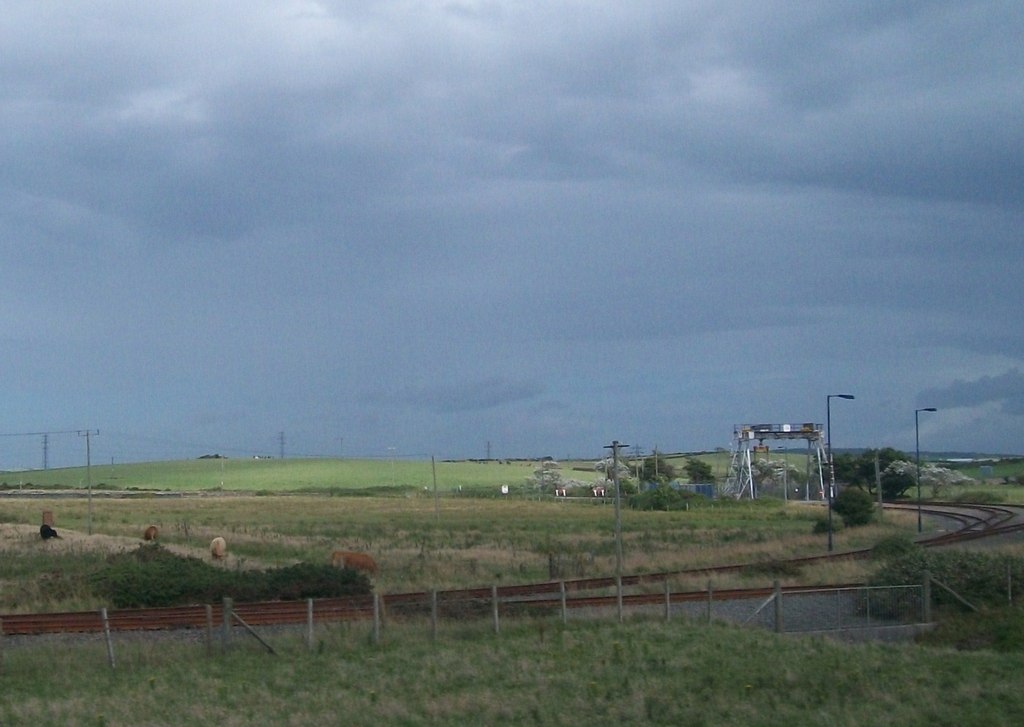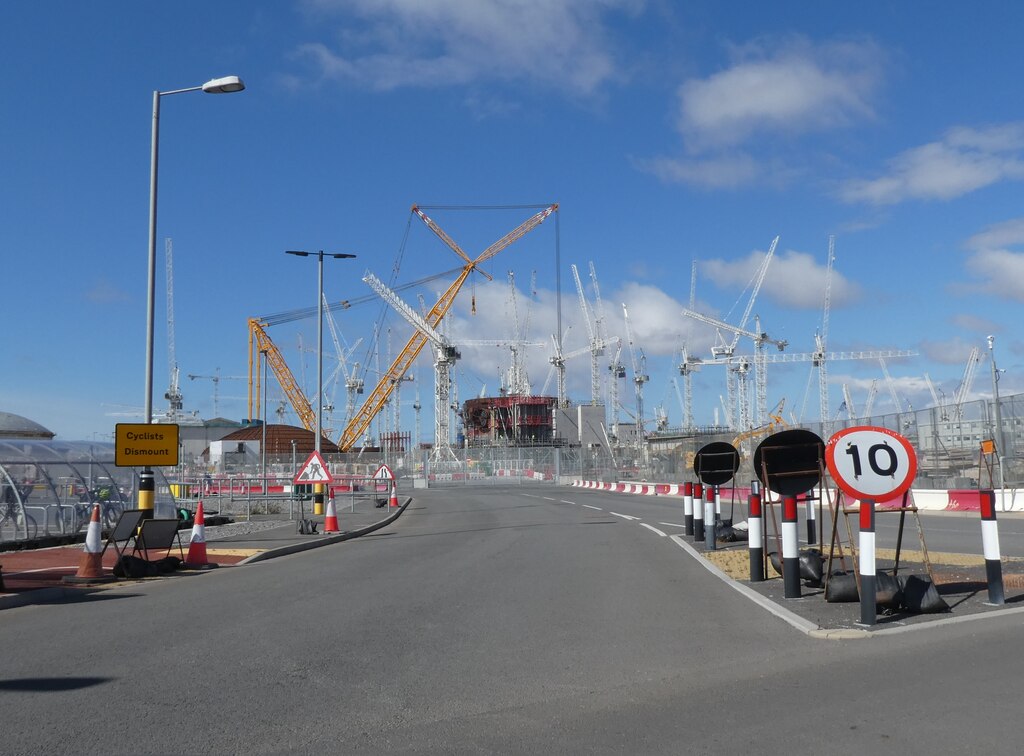
Peel Environmental is turning a 54-hectare (134-acre) former industrial parcel near Ellesmere Port, Cheshire, into a strategic energy and resource cluster called Protos. The site sits inside the wider Cheshire Energy Hub and carries a UK Government 'Northern Powerhouse' designation. Protos is designed to co-locate energy-from-waste, biopower, and plastics-to-hydrogen operations that serve the UK's push for a low-carbon industrial economy.
The developer is part of Peel L&P (Land and Property), itself inside the privately held Peel Group, a real estate, infrastructure, and transport company with extensive landholdings in North West England. Peel Environmental concentrates on energy and waste schemes on Peel-owned land.
Protos draws attention because it bundles multiple low-carbon technologies on one site, backed by international investors. In March 2019, Peel Environmental secured a £130 million to £150 million investment commitment from a consortium that included Ancala Partners, Foresight Group, and the UK Green Investment Bank (later acquired by Macquarie). That funding was earmarked for energy schemes at Protos. Check the latest filings from Peel L&P for the current investment structure.

Anchor tenants and consented developments
BWSC biopower plant
Covanta energy-from-waste operation
US-based Covanta obtained planning permission in 2019 for an EfW operation at Protos. The plant was intended to process residual municipal and commercial waste from the region. Covanta runs EfW sites across several countries.
Powerhouse Energy plastics-to-hydrogen scheme
Powerhouse Energy Group plc received consent from Cheshire West and Chester Council in March 2020 for a plant that would gasify up to 35 tonnes of unrecyclable plastics daily and produce hydrogen for local buses, heavy goods vehicles, and cars. As of March 2021, Powerhouse Energy had not announced a final investment decision or begun construction.
Plastics-to-hydrogen: consent status and timeline
Powerhouse Energy's plastics-to-hydrogen scheme at Protos won planning consent in March 2020. The technology, called DMG (Distributed Modular Generation), gasifies unrecyclable plastics into a synthetic gas that is then converted to hydrogen. At 35 daily tonnes of plastic input, the plant is small. A typical large EfW installation processes several hundred tonnes a day.
The hydrogen output is aimed at local transport in the Ellesmere Port area. As of March 2021, Powerhouse Energy had disclosed neither a final investment decision nor a construction timetable. The company was still assembling full project finance and had not broken ground. Consent was a milestone, but the scheme remained pre-construction.
Strategic significance and Northern Powerhouse designation
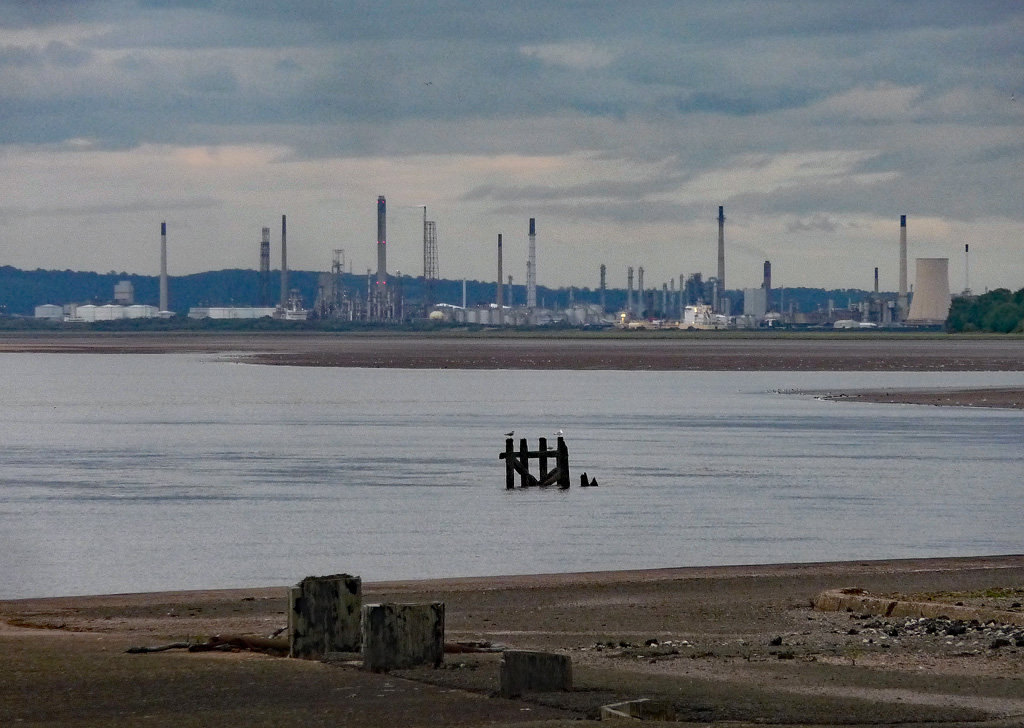
Protos is one node in the Cheshire Energy Hub, an industrial cluster spanning Ellesmere Port, Runcorn, and Stanlow that includes the Stanlow oil refinery, the Inovyn chlor-alkali plant, and several operational EfW sites. Protos is intended to add new low-carbon capacity to that complex.
The UK Government tagged Protos as a 'Northern Powerhouse' project, a political signal that carries no direct funding. The Northern Powerhouse is a government push to lift economic growth in the North of England through infrastructure, skills, and innovation investment.
Protos also sits inside the Mersey Dee Alliance, a cross-border partnership linking Cheshire, Merseyside, and North Wales. The wider North West region has a stated ambition to become the UK's first low-carbon industrial cluster by 2030. Protos contributes to that goal alongside hydrogen production at Stanlow and carbon capture plans for the region.

Financial backing and investment structure
The March 2019 consortium commitment of £130 million to £150 million was directed at energy schemes at Protos, though the breakdown among the biopower, EfW, and plastics-to-hydrogen components was not disclosed. Whether the consortium structure remained intact after 2019 or any investor withdrew is also not established. For the current figure and participants, consult Peel Environmental's latest corporate disclosures.
Each project needed its own financing. The BWSC biopower plant, the Covanta EfW operation, and the Powerhouse Energy plastics-to-hydrogen scheme each required separate construction and operational funding. The consortium commitment may have covered only a slice of the total capital stack.
Legal challenges, regulatory interventions, and local opposition
As of March 2021, no significant legal challenges, regulatory interventions, or organised local opposition to Protos were recorded. Planners at Cheshire West and Chester Council granted consent for the BWSC biopower plant, the Covanta EfW operation, and the Powerhouse Energy plastics-to-hydrogen scheme without reported appeals or judicial reviews.
That stands out. EfW and biopower proposals often face local pushback over traffic, emissions, and visual impact. The quiet planning path may reflect the site's location inside an established industrial corridor near Ellesmere Port, where heavy industry is the baseline. Protos sits on former industrial land, which typically attracts less resistance than greenfield sites. It is possible that local opposition existed but did not surface in the sources available to this brief.
What happens next
As of March 2021, the Protos development was in motion. The BWSC biopower plant was under construction, though its operational status is not established here. The Covanta EfW operation had consent but no confirmed construction start. The Powerhouse Energy plastics-to-hydrogen scheme had consent but no final investment decision.
The investment consortium announced in March 2019 may have changed in composition or size since then. The brief records no additional funding rounds, new tenants, or cancellations after March 2021.
Protos remains a test case for the UK's low-carbon industrial cluster ambitions. If all three plants become operational, the site would show how biopower, EfW, and plastics-to-hydrogen technologies can coexist on a single industrial plot. If any stall or fail, it would illustrate the difficulty of delivering multiple novel technologies in one location. The position since March 2021 is not established here.