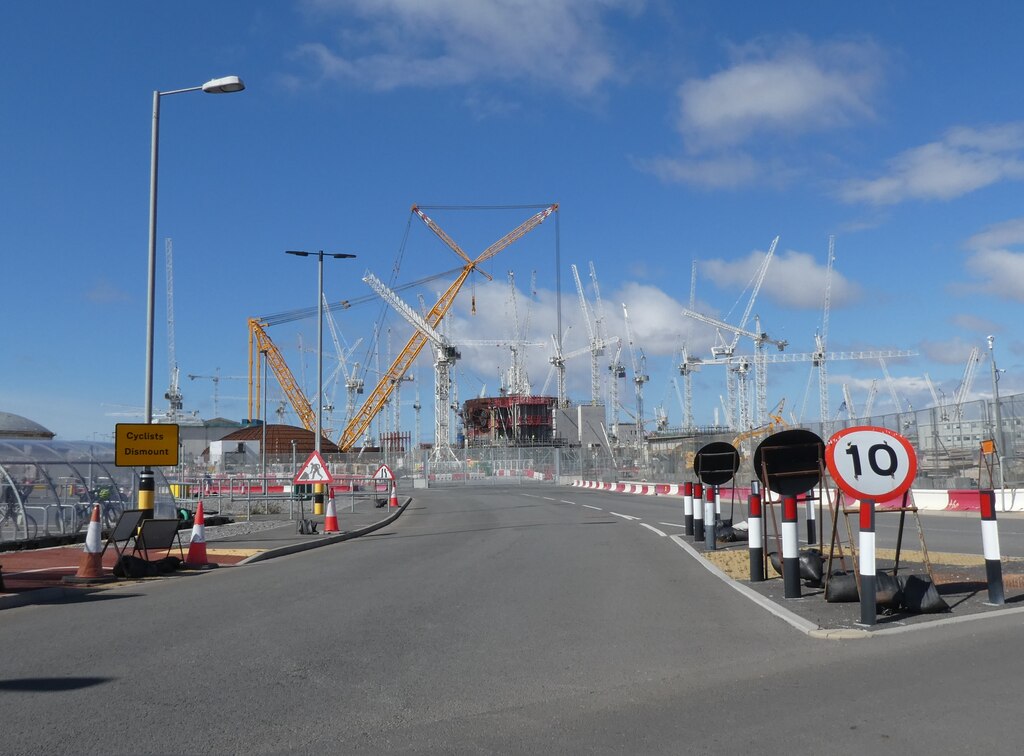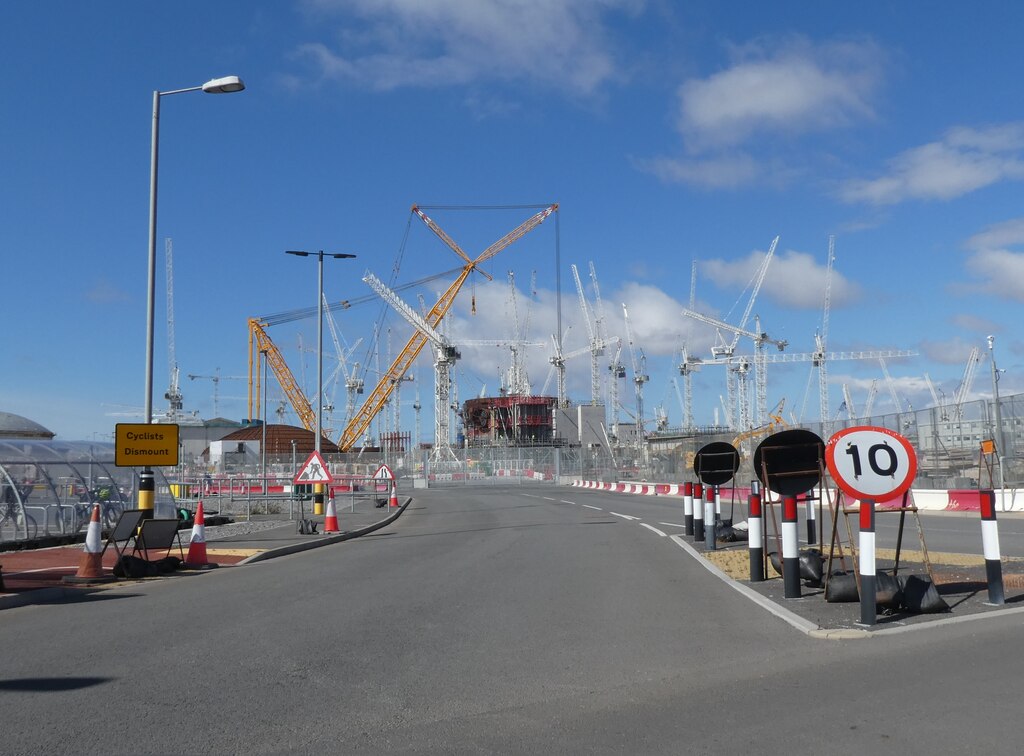
In early 2024, EDF's chief executive declared that work on the Hinkley Point C station in Somerset and the Sizewell C development in Suffolk was progressing well. The statement landed after both efforts absorbed sharp cost revisions and schedule shifts. Hinkley Point C broke ground in 2016. Its original completion target was 2025, with an £18 billion budget. By January 2024 the estimated bill had climbed to between £31 billion and £34 billion in 2015 prices. The start date slipped to between 2029 and 2031. Sizewell C, planned as a near-replica, received £679 million in government backing in November 2022 and operates under a different funding model.
The EDF boss's positive framing matters because it tackles a persistent question from investors and policymakers: is the UK's new-build programme still viable after years of delays and overruns? Hinkley Point C is designed to house two EPR reactors with a combined 3.2 GW capacity. Sizewell C would add similar output. Together they represent the bulk of the UK's planned expansion, which the government sees as essential for energy security and the 2050 net-zero target.

Progress Milestones Cited by EDF
The EDF chief executive did not announce fresh milestones beyond what was already public. He pointed to the completion of major civil engineering at Hinkley Point C as evidence of steady momentum. The site has installed the first of two reactor buildings and finished the diaphragm wall for the second. On the Sizewell C side, the executive noted that the scheme had secured planning consent and was moving through pre-construction, with the supply chain being lined up.
The update is notable mainly because it comes from the developer rather than an independent assessor. EDF has a direct interest in presenting both plants as on track. The company is the developer of both and, for Sizewell C, holds a 50% stake alongside the UK government, which took its share in 2022. The government also announced £679 million in funding for Sizewell C that November, signalling continued political support.
Revised Cost Estimates and Schedule for Hinkley Point C
How the numbers changed
The most concrete figures available are the revised cost and schedule for Hinkley Point C, which EDF announced in January 2024. The original £18 billion budget has more than doubled. The new estimate is £31-34 billion in 2015 prices. The start date, originally 2025, is now expected between 2029 and 2031. These are EDF's own figures, not independent audits. Critics argue that final costs could climb higher.
Why the overruns happened
The overruns stem from several factors: the complexity of building first-of-a-kind EPR reactors in the UK, supply-chain delays, and the impact of inflation on long-duration builds. The schedule slippage means Hinkley Point C will not contribute to the grid until at least the end of this decade. That has implications for the government's 2035 power-sector decarbonisation target. Sizewell C, as a near-replica, is expected to benefit from lessons learned at Hinkley, but it has not yet reached a final investment decision.
Sizewell C and the Regulated Asset Base Model
How RAB funding works
Sizewell C is the first UK scheme to use the Regulated Asset Base model. Under RAB, consumers begin paying during the build phase through a charge on their electricity bills, rather than waiting until the plant starts generating. The model is meant to lower the cost of capital by reducing risk for backers, since a regulated revenue stream is guaranteed from day one. The UK government's £679 million commitment and its 50% stake are part of this structure.
RAB versus the CfD approach
RAB departs from the contract-for-difference mechanism used for Hinkley Point C, which guarantees a fixed strike price for electricity sold. The CfD model left consumers exposed to overrun risk only after the plant began operating. RAB shifts some of that risk earlier. Whether it delivers lower overall costs for households depends on the final build price and the rate at which the regulator allows EDF and its partner to recover costs. The scheme has not yet reached a final investment decision, so the full financial terms remain unknown.
Broader Energy Security and Net-Zero Context
Nuclear's role in the grid
The UK government has positioned nuclear power as critical to its energy security strategy and its plan to reach net-zero emissions by 2050. Hinkley Point C and Sizewell C, together with potential future sites such as Wylfa Newydd in Wales and Moorside in Cumbria, are meant to deliver firm, low-carbon baseload power. They would complement intermittent renewables like wind and solar. The government's 2022 Energy Security Strategy set a target for the sector to supply up to 24 GW by 2050, roughly a quarter of projected electricity demand.
Credibility at stake
The positive update from the EDF boss, even without new milestones, is significant. It arrives at a moment when the UK's programme faces competition from other technologies and the memory of past failures. Toshiba cancelled the Moorside scheme in 2018. Hitachi withdrew from Wylfa Newydd in 2019. Those exits left the UK with only one new-build under construction. If Hinkley Point C and Sizewell C are delivered, they will restore some credibility to the government's ambitions. If they slip further, the gap between policy targets and reality will widen.
Key Facts
- Developer: EDF (Électricité de France)
- Hinkley Point C capacity: 3.2 GW (two EPR reactors)
- Hinkley Point C original budget: £18 billion
- Hinkley Point C revised cost estimate (Jan 2024): £31-34 billion (2015 prices)
- Hinkley Point C original start date: 2025
- Hinkley Point C revised start date (Jan 2024): 2029-2031
- Sizewell C UK government investment (Nov 2022): £679 million
- UK government stake in Sizewell C: 50% (alongside EDF)
- Sizewell C funding model: Regulated Asset Base (RAB) - first use for UK nuclear