Wylfa Newydd was a proposed nuclear power station on the Isle of Anglesey in Wales, cancelled after Hitachi failed to reach a financing agreement with the UK government. Hitachi suspended work in January 2019 and formally withdrew in September 2020. The development company Horizon Nuclear Power was wound down, and the site reverted to UK government control.
The project was meant to supply about 2,700 MWe from two advanced boiling water reactors, enough to power roughly 2.5 million homes. Its collapse left a gap in the UK's nuclear new-build pipeline and stranded a site that had been considered one of the best in Europe for large-scale nuclear generation.
Wylfa Newydd was a 20-billion-pound proposal that collapsed when the state and the developer could not agree who would carry the risk. The site on Anglesey, adjacent to a decommissioned Magnox station, offered grid connections, Irish Sea cooling water and a nuclear-skilled local workforce. Those advantages still exist, but no replacement developer has committed.

The Site and the Developer
The Anglesey Location
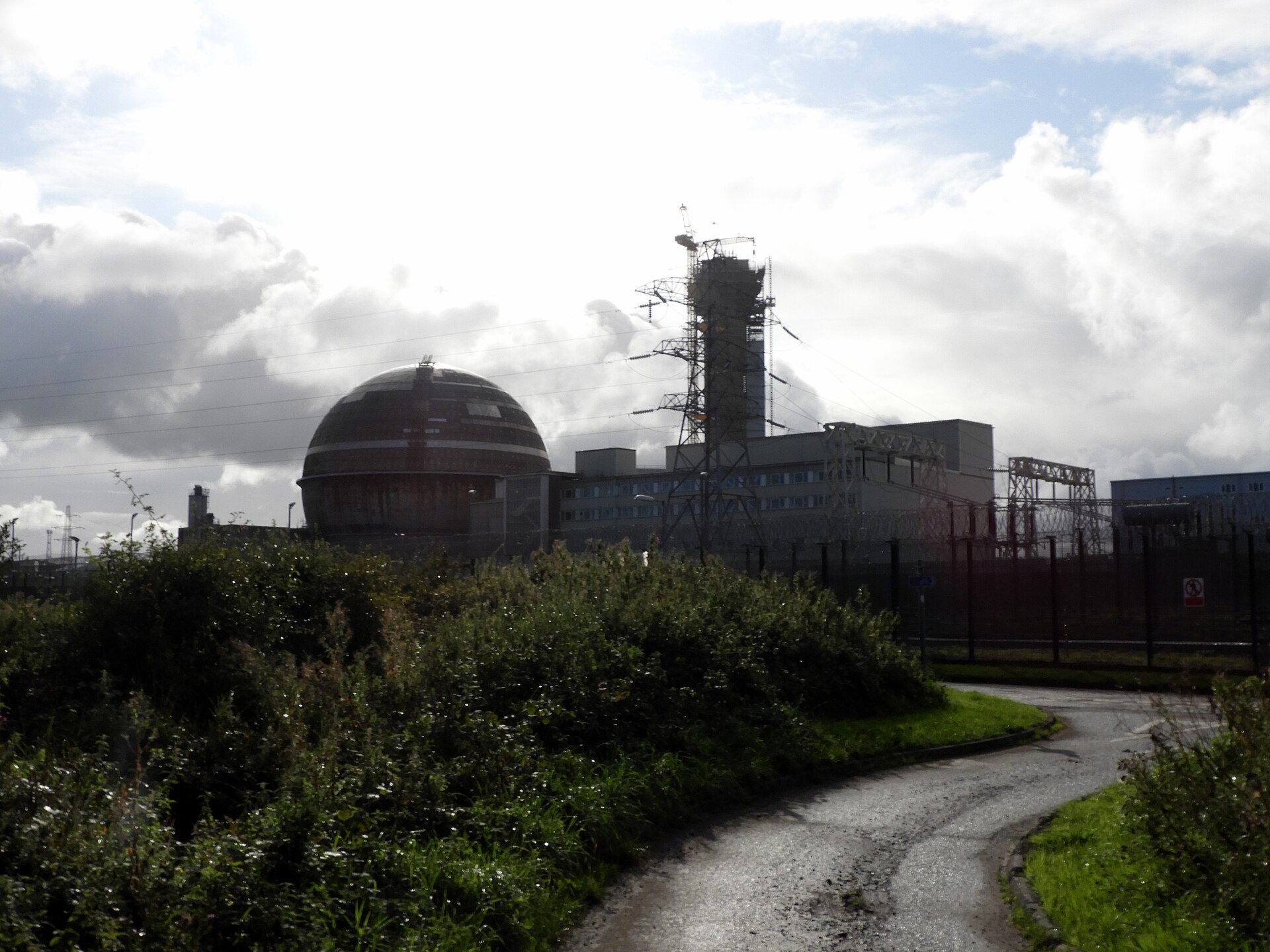
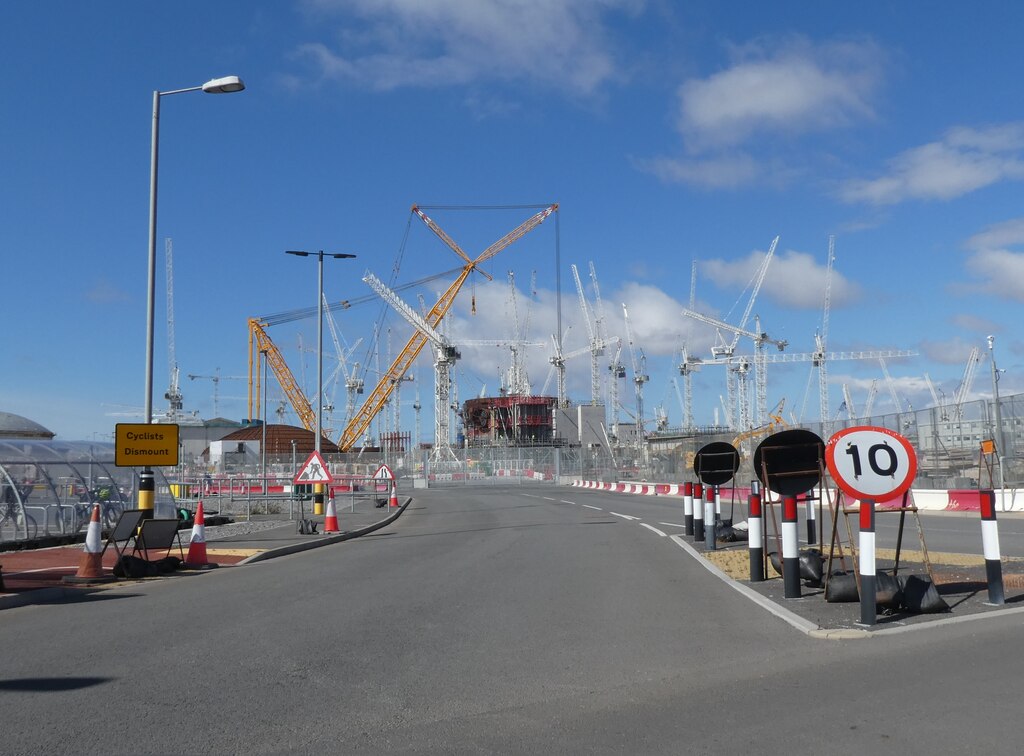
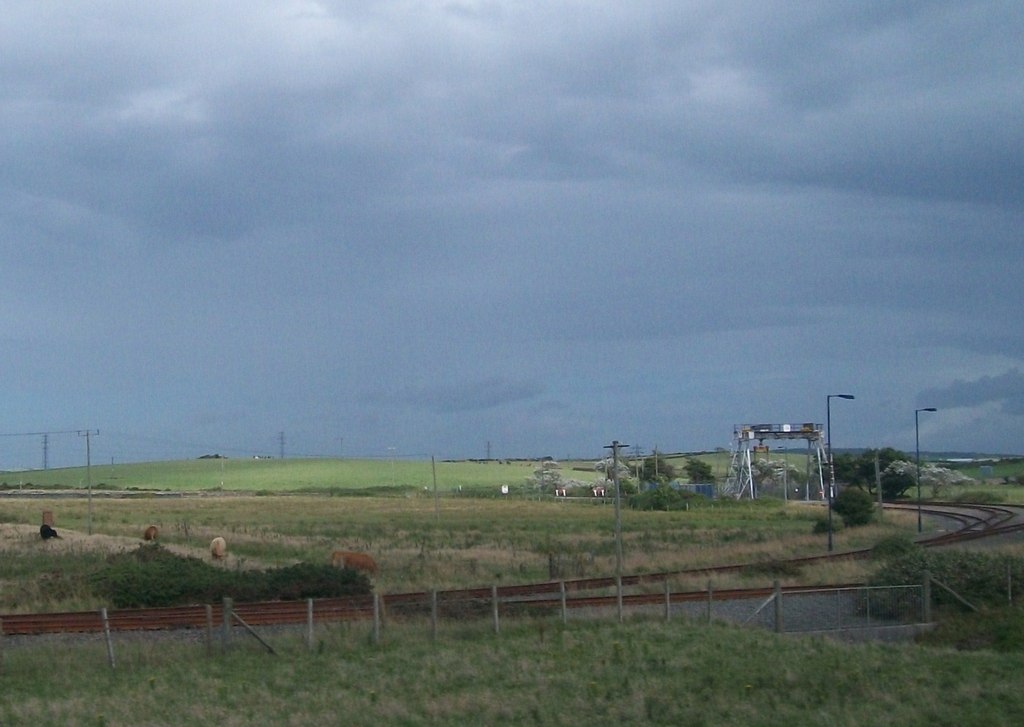
The station was planned for the north coast of the Isle of Anglesey, Wales, next to the decommissioned Wylfa Magnox station. That plant ran a single Magnox unit from 1971 until 2015. Proximity to existing grid connections, cooling water from the Irish Sea, and a local workforce with nuclear experience made Anglesey a preferred location for new nuclear development.
Horizon Nuclear Power
The project was developed by Horizon Nuclear Power, a UK firm that Hitachi Ltd of Japan acquired in November 2012 for approximately 696 million pounds. Horizon had originally been created as a joint venture between E.ON and RWE, but the German utilities withdrew from UK nuclear new-build after the Fukushima disaster in 2011 changed their corporate strategy. Hitachi stepped in as a replacement developer with its own reactor design.
Who Did What
Horizon Nuclear Power held the site license and planning permissions. It employed staff, conducted site surveys, managed the regulatory process, and negotiated with the UK government. Hitachi was the parent entity that provided strategic direction, technology, and financial backing.
The Planned Reactor Technology
Advanced Boiling Water Reactors
The station was to feature two Hitachi-GE Advanced Boiling Water Reactors. The ABWR is a Generation III+ design that originated in Japan and has been built at several sites there and in Taiwan. Hitachi-GE Nuclear Energy, a joint venture between Hitachi and General Electric, supplied the technology.
Scale and Licensing
Each unit was rated at approximately 1,350 MWe, giving a combined station output of around 2,700 MWe. That made Wylfa Newydd comparable in scale to Hinkley Point C, which is building two EPRs. The ABWR design was already licensed in Japan and had received design certification from the US Nuclear Regulatory Commission, which Hitachi hoped would speed up the UK Generic Design Assessment process.
Direct Steam Cycle
The ABWR uses a direct steam cycle: water boils in the core and the steam drives the turbine directly, rather than passing through a separate steam generator as in a pressurised water unit. This makes the plant simpler and potentially cheaper to build. However, no ABWR had ever been constructed in Europe before Wylfa Newydd was proposed.
Cost and the Financing Standoff
The Rising Price Tag
Before its suspension, the estimated cost of Wylfa Newydd had risen to over 20 billion pounds. That figure covered design, construction, commissioning, and financing costs over the expected build period. The escalation reflected delays in the UK regulatory process, rising commodity prices, and the complexity of building a first-of-a-kind design in a new country.
The RAB Model
The UK government and Hitachi spent more than two years negotiating a funding structure. The government was willing to take a direct equity stake in the project, a departure from the model used at Hinkley Point C where the developer bore all construction risk. The proposed mechanism was a Regulated Asset Base model, similar to the one used for large infrastructure projects such as the Thames Tideway Tunnel. Under a RAB model, consumers pay a charge on their electricity bills during construction, which reduces the developer's cost of capital and lowers the eventual strike price for electricity.
Why Talks Collapsed
The talks collapsed because Hitachi and the government could not agree on the terms. Hitachi wanted the government to bear a larger share of the construction risk and to guarantee a minimum return on its investment. The government was not willing to accept that level of exposure without control over the project's management. Hitachi also struggled to find private investors willing to commit capital to a 20-billion-pound nuclear venture in a country that had not built a new unit in decades.

The Suspension and Final Withdrawal
January 2019: Work Stops
Hitachi suspended the Wylfa Newydd project in January 2019. The firm said it could not secure private investment and had failed to reach a financing agreement with the UK government. At that point, Hitachi had already spent several hundred million pounds on site preparation, engineering design, and regulatory work.
An 18-Month Pause
The suspension was not an immediate withdrawal. Hitachi left open the possibility that negotiations could resume if the government changed its position. Over the following 18 months, the two sides held further discussions, but no deal emerged.
September 2020: The Exit
In September 2020, Hitachi formally announced it was withdrawing from the project entirely and would end all business operations at the site. The decision was driven by three factors. The project's cost had risen above 20 billion pounds, making it harder to justify to Hitachi's board and shareholders. The UK government would not accept the level of financial risk that Hitachi demanded. And Hitachi's overall corporate strategy was shifting away from large-scale nuclear construction after the firm had taken significant write-downs on other nuclear projects in Japan.
The Government's Position
Public Support, Private Limits
The UK government was publicly supportive of Wylfa Newydd throughout the development phase. The project was considered strategically important for the UK's energy security because it would provide low-carbon baseload power and reduce dependence on imported gas. The government also saw Anglesey as a site that could host multiple units and create a nuclear hub in North Wales.
What Was Offered
In negotiations, the government offered a direct equity stake in the project and was prepared to introduce a Regulated Asset Base financing model. That model had not previously been used for a nuclear power station in the UK. The government believed the RAB model would lower the cost of capital and produce cheaper electricity than the contract-for-difference model used at Hinkley Point C.
The Unbridgeable Gap
However, the government was not willing to underwrite the entire construction risk or to accept a deal that left the taxpayer exposed if costs overran. Hitachi wanted a guarantee that it would recover its investment even if the project was delayed or cancelled for reasons outside its control. The two sides could not bridge that gap, and the talks ended without an agreement.
After the Withdrawal
Winding Down Horizon
After Hitachi withdrew in September 2020, Horizon Nuclear Power was wound down. The firm's employees were made redundant or transferred to other roles. The Wylfa Newydd site was returned to the Nuclear Decommissioning Authority, the government body that manages the UK's nuclear legacy sites. The NDA already owned the adjacent Wylfa Magnox site, so the land was consolidated under a single owner.
The Search for a Successor
The UK government explored alternative options for the site. Other developers expressed interest in building a nuclear station at Wylfa, including a consortium that proposed using small modular reactors. The government launched a competition to select an SMR technology for deployment in the UK, and Wylfa was considered a potential location. As of April 2025, no binding agreement had been signed with any alternative developer.
One Project Left Standing
The collapse of Wylfa Newydd left the UK with only one nuclear new-build project under construction: Hinkley Point C in Somerset. Sizewell C in Suffolk received government approval in 2022 but has not yet reached a final investment decision. The Wylfa site remains available for future nuclear development, but the question of who will build there and on what terms remains unanswered.