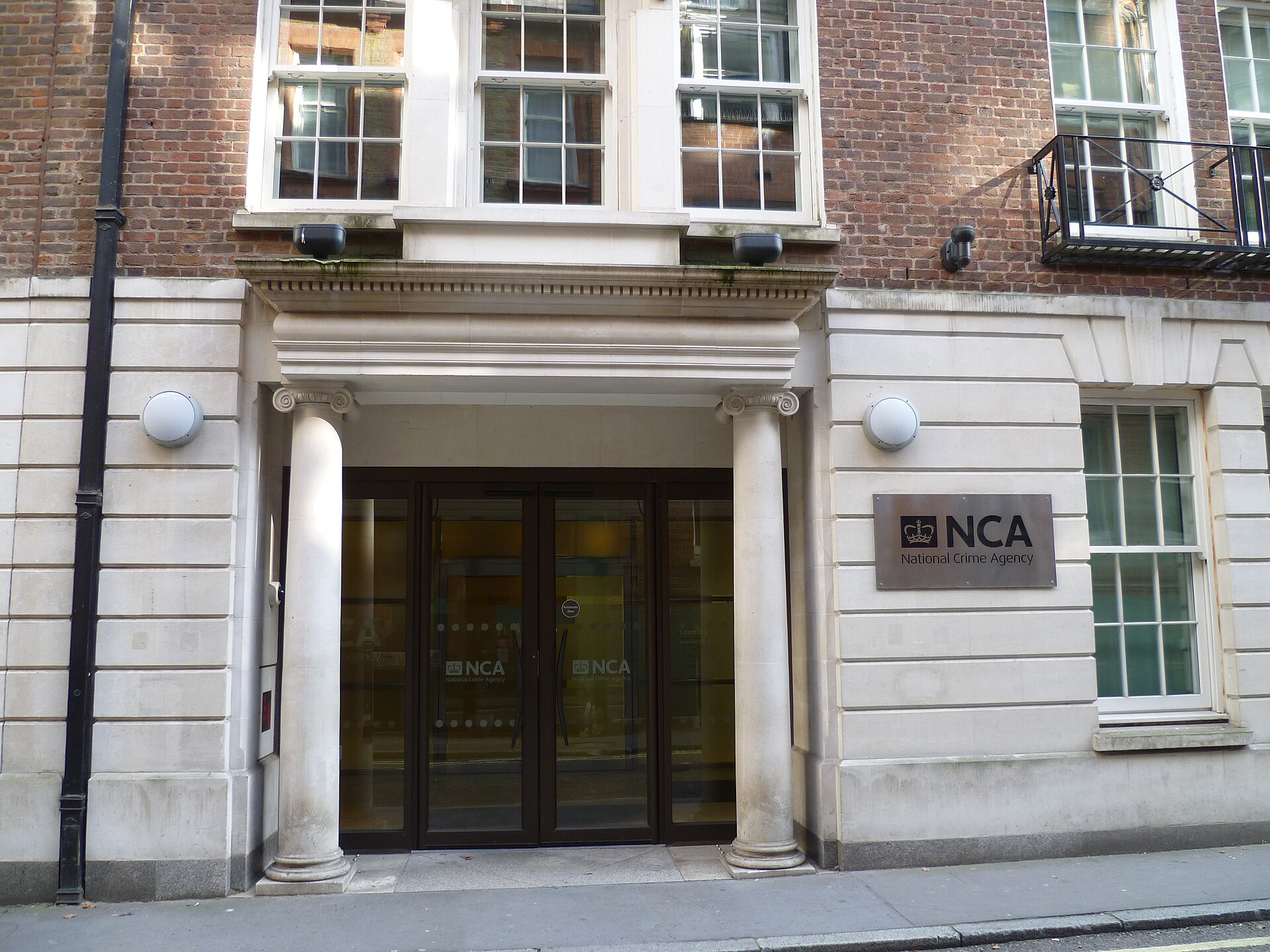
When the Brexit transition ended on 31 December 2020, the United Kingdom lost live access to the Schengen Information System (SIS II). That database held more than 40,000 alerts as of 2020 for discreet surveillance and inquiry checks on serious criminals and suspects. The loss immediately degraded the speed at which British law enforcement could track money laundering suspects moving funds or people across European borders. The UK has since built new homegrown tools, including the Register of Overseas Entities, and published a second Economic Crime Plan in March 2023. Still, agencies including the National Crime Agency (NCA) operate without the same automated intelligence sharing they had as an EU member.
The core question for operators, investors and policy people is whether the UK has become a more attractive destination for illicit finance. The answer is not binary. The UK retained some bilateral data-sharing agreements with individual EU states and maintains a working relationship with Europol. Those arrangements are slower and less comprehensive than automated, immediate access to SIS II. The net effect, as of May 2024, is that the UK's anti-money laundering (AML) regime relies more on proactive homegrown measures and is less plugged into the EU's rapid-response security network.

What the UK Lost and Why It Matters
The end of instantaneous border checks
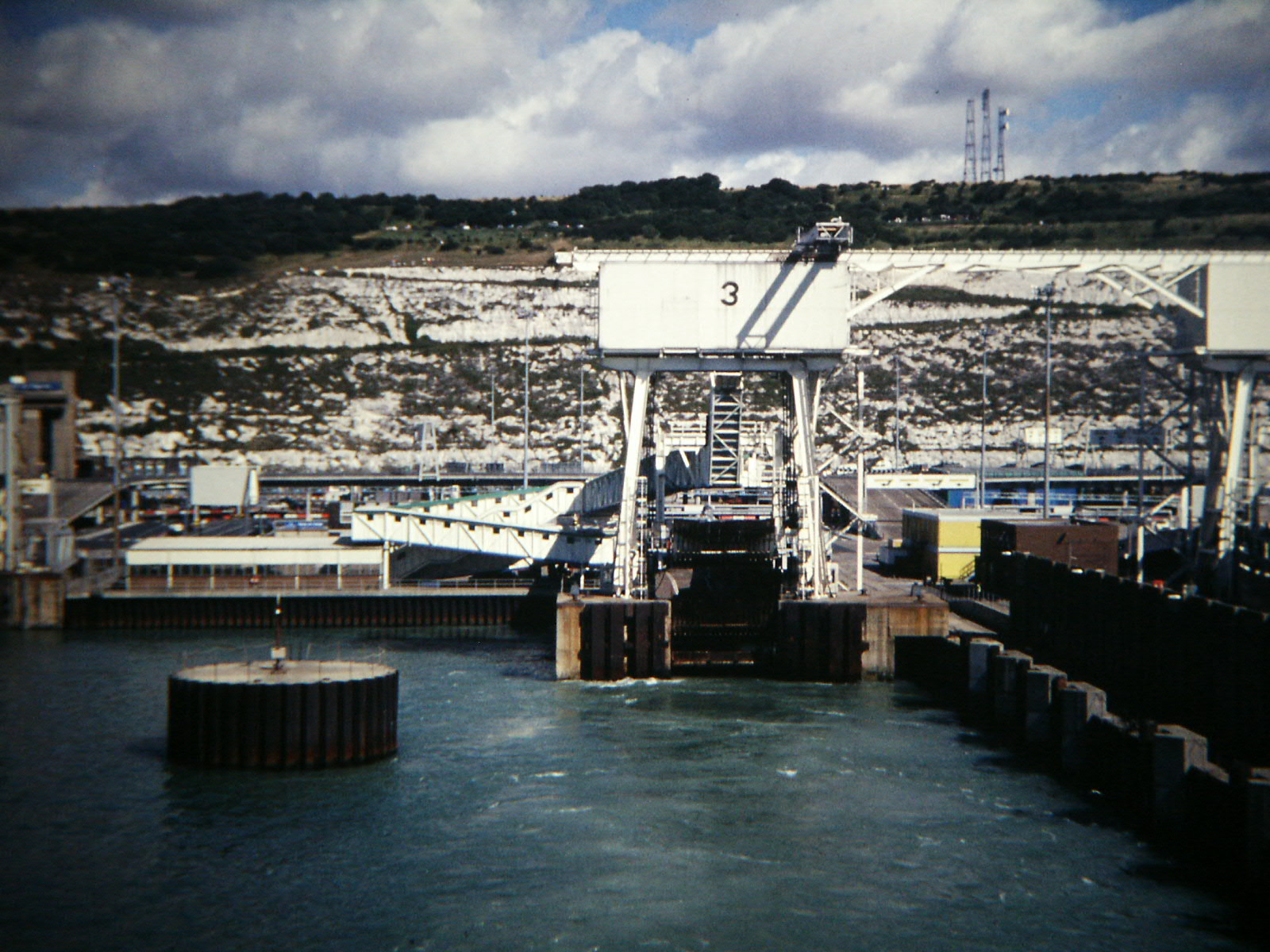
Before Brexit, UK law enforcement could query SIS II on the spot. An officer checking a vehicle or a person at a border could instantly see if that subject was flagged for discreet surveillance, wanted for arrest, or linked to a money laundering investigation in another EU country. After 31 December 2020, that access stopped. The NCA and other agencies now rely on slower, request-based channels: Interpol notices, bilateral police-to-police contacts. The difference is between a query that returns a result in seconds and one that takes days or weeks.
Europol's analytical engine
SIS II was not the only casualty. The UK also lost its seat on Europol's governing bodies and its ability to feed directly into Europol's analytical work files. These files connect money laundering cases across jurisdictions. Without direct access, UK investigators may not learn about a suspect's activity in another EU country until after funds have moved. The practical consequence: investigations that would have been stopped early now demand more time and more manual coordination.
Domestic Measures: The Register of Overseas Entities and the Economic Crime Plan
A new register for property ownership
The UK government responded with legislation and fresh registries. The Economic Crime (Transparency and Enforcement) Act 2022 created the Register of Overseas Entities, which came into force on 1 August 2022. It requires foreign owners of UK property to declare their beneficial ownership. The aim is to close a loophole that let anonymous shell companies buy real estate in London and other cities, often using laundered money. Companies House now holds this data and makes it publicly searchable.
Homegrown fixes, incomplete coverage
In March 2023, the government published Economic Crime Plan 2, setting priorities for 2023 to 2026. The plan includes measures to improve information sharing between banks and law enforcement and to strengthen the NCA's capabilities. These are internal fixes. They do not restore the cross-border intelligence the UK had via SIS II. The Register of Overseas Entities, while useful, covers only one asset class: property. It does not address money laundering via trade finance, cryptocurrency or shell companies registered outside the UK.
Post-Brexit Data-Sharing: Partial and Slower
A patchwork of bilateral deals
The UK has negotiated bilateral data-sharing agreements with some EU member states, but not all 27. Terms vary by country. Some agreements permit direct police-to-police requests; others require going via central authorities. None replicate the automated, immediate nature of SIS II. The UK also maintains a relationship with Europol using a third-country agreement, but this does not grant the same access to Europol's databases or analytical work files that full membership provided.
One investigation, three jurisdictions
The result is a patchwork. For a money laundering investigation spanning the UK, Spain and Poland, an NCA officer must make separate requests to each country, wait for responses, then stitch together the information. Under SIS II, the same data appeared in a single query. The NCA has not publicly said the UK's AML regime is weaker overall, but the operational reality is that investigators now work with less information, more slowly, than they did before 2021.
Assessment: Gaps Remain, but the System Has Not Collapsed
No official verdict
No definitive assessment from a law enforcement or financial watchdog has declared the UK's post-Brexit AML regime either clearly weaker or clearly stronger. The NCA continues to pursue major cases, and the government has invested in internal tools. Yet the loss of SIS II access is a measurable downgrade in speed and coverage. The 40,000 alerts that UK officers could once query instantly are now accessible only via slower channels.
The missing layer of defence
For policy people and investors, the key takeaway is that the UK has not become the money laundering capital of the world as a direct result of Brexit, but it has lost a layer of automatic defence. The Register of Overseas Entities and Economic Crime Plan 2 are steps in the right direction. They do not replace the live, cross-border intelligence network that the UK left behind. As of May 2024, the UK's AML regime is more reliant on manual cooperation and less able to stop illicit finance at the border than it was in 2020.