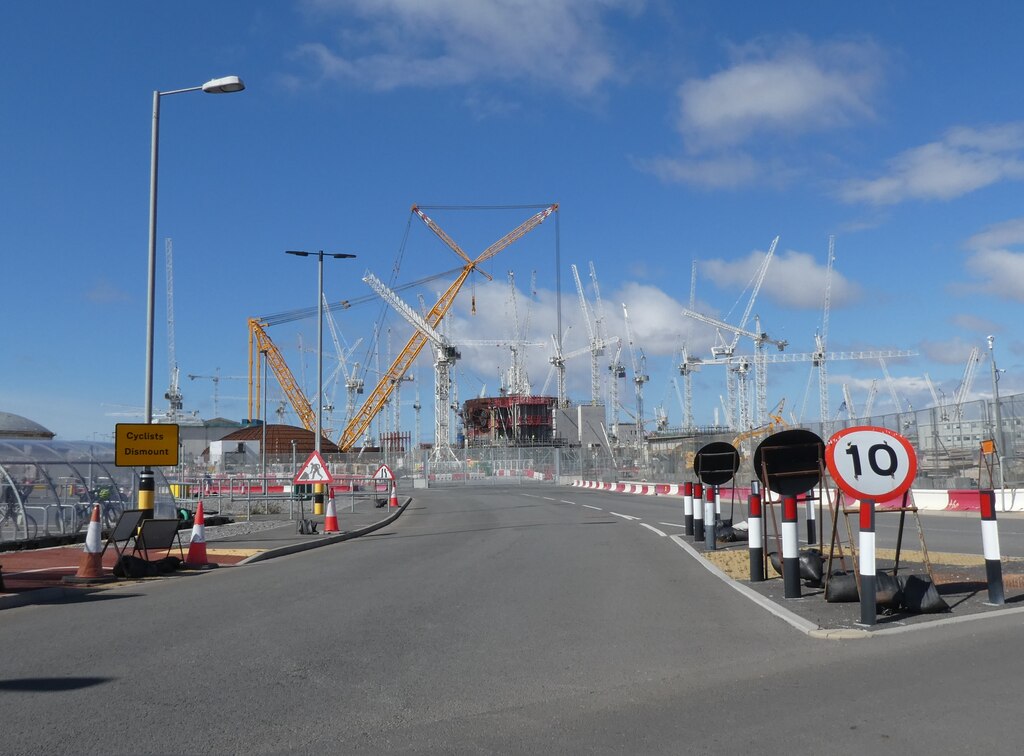
In September 2020, the European Court of Justice definitively rejected Austria's challenge to the European Commission's approval of UK state aid for the Hinkley Point C power station. The ruling ended a five-year legal fight and left the project's financing structure intact.
Austria had argued the subsidies violated EU state aid rules and contradicted the bloc's environmental objectives. The court held that the Commission was entitled to approve the aid, and that EU law does not require member states to align their national energy choices with one another's preferences.
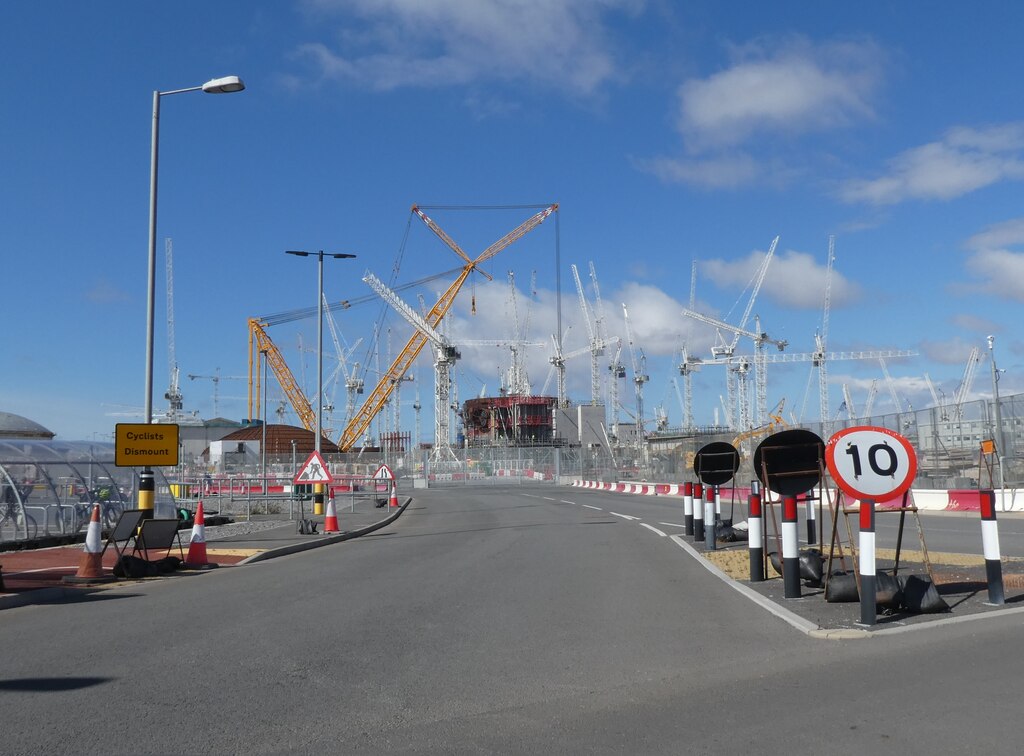
The plant, in Somerset, England, is being built by EDF Energy, a subsidiary of the French state-owned Électricité de France. The UK government's backing, approved by the Commission in October 2014, is a Contract for Difference that guarantees the developer a fixed price for the electricity generated.

The Contract for Difference mechanism
How the guarantee works
The UK's backing for Hinkley Point C takes the form of a Contract for Difference, or CfD. Under this arrangement, the generator receives a guaranteed strike price for every megawatt-hour produced. If the wholesale electricity price falls below the strike price, the government pays the difference. If the wholesale price rises above it, the generator pays the surplus back.
The numbers and the timeline
For Hinkley Point C, the UK government set the strike price at £92.50 per megawatt-hour in 2012 prices, indexed to inflation. The contract runs for 35 years from the start of generation. The mechanism was designed to give EDF a predictable revenue stream, making the project financeable despite its high upfront cost and long construction period. For the current reference price and adjustment methodology, readers should consult the Low Carbon Contracts Company's published CfD register.
Why Brussels approved it
The European Commission reviewed the CfD under EU state aid rules and approved it in October 2014, concluding that the backing was compatible with the internal market because it addressed a genuine market failure and was proportionate to that aim.
Austria's case and the General Court ruling
The core objection
Austria filed its legal challenge at the European Court of Justice in 2015. The central argument was that the Commission had erred by approving state aid for atomic energy, which Austria claimed distorted the EU's internal energy market and conflicted with the bloc's environmental goals. Vienna also argued the Commission should have conducted a more thorough assessment of the aid's effects on competition.
The 2018 dismissal
The EU General Court dismissed Austria's action in July 2018. It ruled that the Commission had not made a manifest error in its assessment. The court noted that EU member states retain the right to determine their own energy mix under the Treaty on the Functioning of the European Union, and that the Commission's role is limited to ensuring state aid does not distort competition beyond what is necessary.
The appeal and final judgment
Vienna's grounds for appeal
Austria appealed the General Court's dismissal to the European Court of Justice, the EU's highest court. The appeal repeated the earlier arguments and added a claim that the General Court had misinterpreted the legal test for assessing the compatibility of state aid with the internal market.
The final word in 2020
The European Court of Justice issued its final ruling in September 2020. It upheld the General Court's decision in full. The judgment stated that the Commission had acted within its discretion, and that Austria's objections did not demonstrate any legal error. The court also rejected Vienna's environmental argument, holding that EU state aid rules do not prohibit subsidies for atomic power simply because another member state opposes the technology on environmental grounds.
The ruling was final and not subject to further appeal. The legal challenge was over.
Implications for Hinkley Point C and EU energy policy
Certainty for the Somerset project
The European Court of Justice's decision removed the legal uncertainty that had hung over Hinkley Point C's financing since 2015. With the challenge resolved, EDF and its investors could proceed without the risk that the support mechanism might be overturned retroactively. Construction continued.
A precedent for atomic subsidies
The ruling also established a precedent for state aid for atomic energy across the EU. It confirmed that a member state may subsidise nuclear generation under the same legal framework used for renewables, and that the Commission's approval is not invalidated by another member state's policy disagreement. This matters for other fission projects in the EU that rely on similar backing mechanisms.
The limits of the judgment
At the same time, the judgment did not compel any member state to adopt or accept atomic power. It simply affirmed that the choice to subsidise it is a lawful one under existing EU state aid rules. The legal avenue for challenging future subsidies remains open, but the grounds for doing so are narrower after the Hinkley Point C case.
Key facts
- Project: Hinkley Point C nuclear power station, Somerset, England
- Developer: EDF Energy (subsidiary of Électricité de France)
- UK support mechanism: Contract for Difference with a strike price of £92.50/MWh (2012 prices), set by the UK government
- Commission approval: October 2014
- Austria filed challenge: 2015
- General Court dismissal: July 2018
- ECJ final ruling: September 2020, dismissed Austria's appeal
- Outcome: State aid approval upheld; project financing legally validated