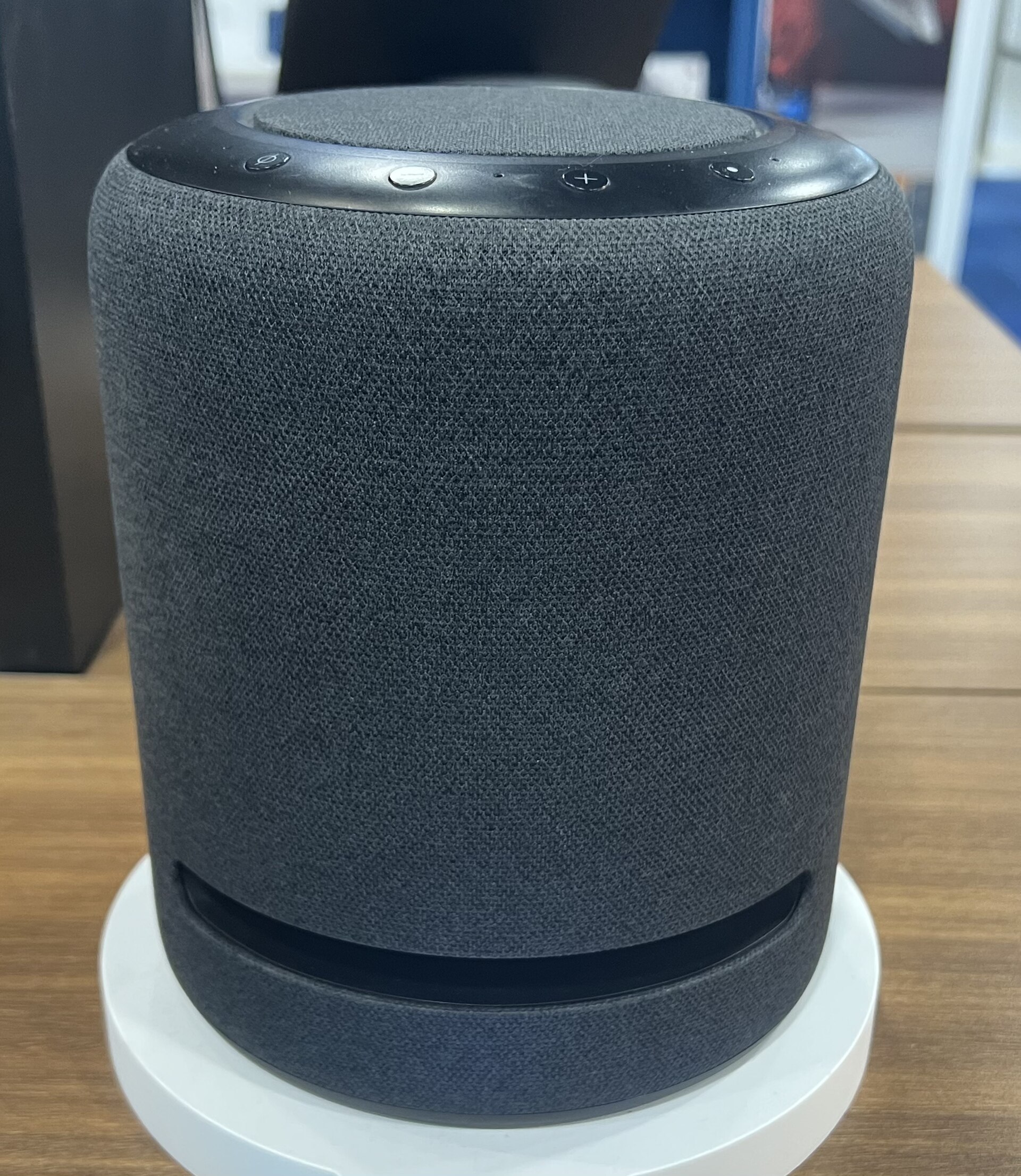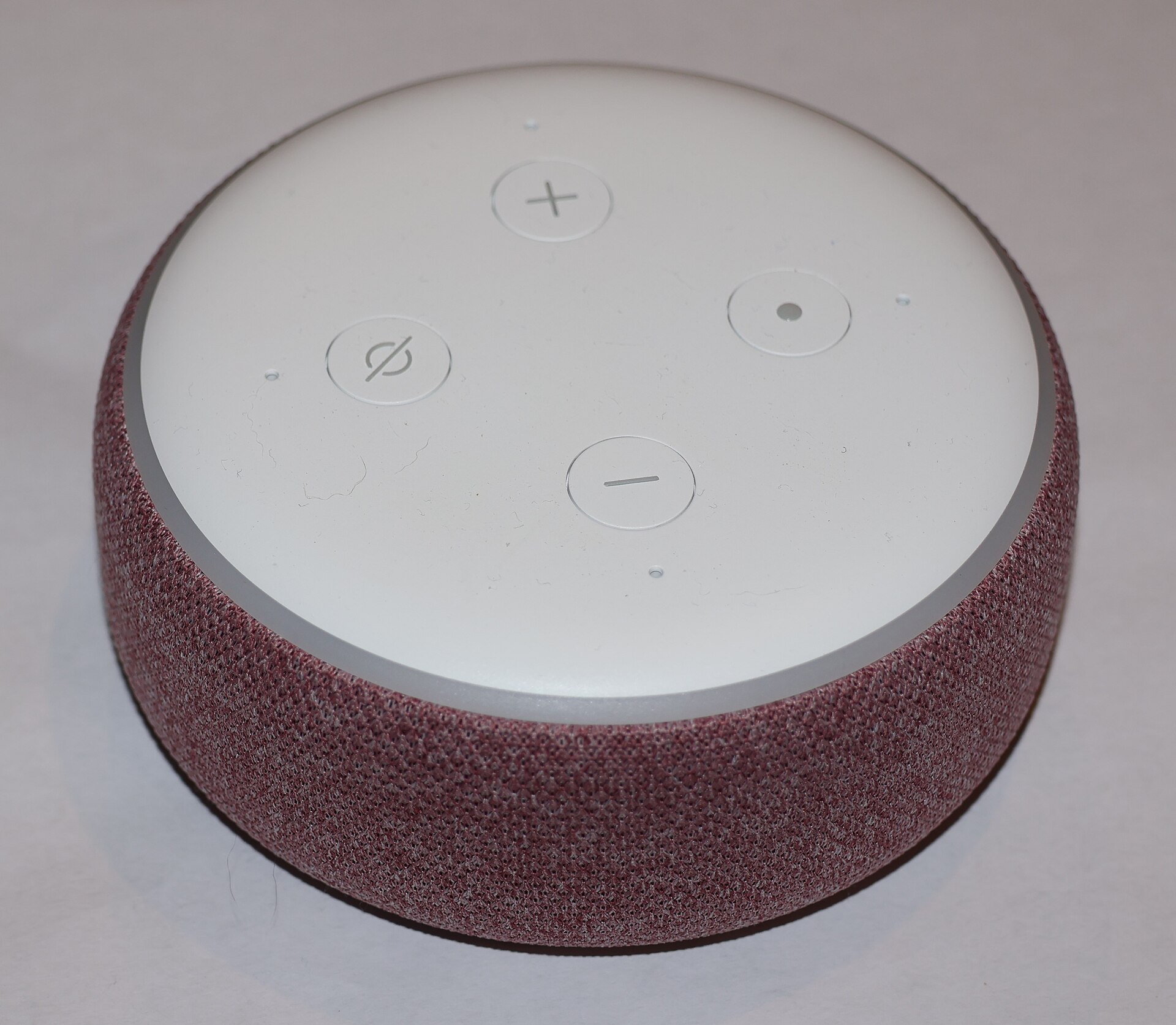
Amazon Pay now lets customers buy digital goods and services by speaking to Alexa. The flow leans on Amazon Pay's existing rails and Alexa's voice recognition, so a user can complete a transaction without touching a screen or entering a password. That puts Amazon in direct competition with Google Pay and Apple Pay in voice commerce, though each platform takes a different approach to authentication and merchant integration.
Eligible transactions cover digital goods only: subscriptions, in-app content, digital media, and services delivered through Alexa skills. Physical goods were absent from the initial rollout. That distinction shrinks the fraud surface and keeps transaction values low enough that voice-only authentication is commercially acceptable.
As of May 2024, the feature remains ongoing. Amazon has not disclosed transaction volumes or specific merchant names.

How the voice payment flow works
The technical flow starts when a user says a command like "Alexa, buy the premium subscription" inside a skill that has enabled voice purchases. Alexa processes the request and talks to Amazon Pay's gateway, which checks the default method stored in the user's Amazon account. If the user has previously enabled voice purchasing and set up a voice profile, Alexa confirms the purchase verbally and completes the transaction.
The entire exchange happens inside the Alexa skill. The skill developer never touches payment credentials. Amazon Pay acts as the intermediary, tokenizing the information and returning a confirmation to the skill. This mirrors how Amazon Pay works on websites and mobile apps, but the interface is entirely voice-driven.
Users must have a valid Amazon account with a payment method on file. They also need to enable voice purchasing in the Alexa app and complete a voice profile enrollment, which Alexa uses to recognize the speaker. Without that profile, the system will not process a transaction.
Eligible categories and what is excluded
What you can buy
At launch, voice transactions were limited to digital goods and services. That includes one-time purchases like a movie rental, recurring subscriptions such as a news service or a meditation app, and in-skill buys like extra lives in a game or premium content in a recipe skill. The restriction to digital goods reduces the risk of physical returns and chargebacks, which are harder to handle without a receipt or a delivery address confirmed by voice.
What stays off-limits
Physical goods, groceries, and services that require scheduling or location data were not supported. A user cannot say "Alexa, order paper towels" through an Amazon Pay skill, even though they can say the same phrase to Alexa directly for Amazon.com orders. The distinction: Amazon Pay's voice feature serves third-party skills, not Amazon's own retail storefront.
The limitation also keeps purchase amounts modest. Digital goods typically cost less than physical items, so the financial risk of a mistaken or fraudulent voice command is lower. Amazon did not disclose a maximum transaction value, but the categories imply a ceiling well below typical physical goods purchases.
Launch partners and pilot merchants
Amazon did not name specific merchants or skill developers that participated in the initial launch. The company described the capability as available to any Alexa skill developer who integrates Amazon Pay, but early use cases likely involved developers already using Amazon Pay for in-skill purchasing on screen-based devices. The voice-only flow extends that existing capability to Echo devices without screens.
Several categories were logical candidates for early adoption. Media skills offering premium audio content, game skills with in-app purchases, and productivity skills with subscription tiers all fit the digital goods requirement. Developers in these categories already had payment flows built on Amazon Pay and only needed to add voice confirmation logic.
Amazon treated this as a platform capability rather than a marquee partnership. That is consistent with how Amazon Pay typically operates: it builds the infrastructure and lets merchants decide when to turn it on.
Authentication and security mechanisms
Voice biometrics as the first line of defense
Amazon Pay's voice transactions rely on Alexa's voice profile system for authentication. The user must enroll a voice profile by repeating a few phrases to Alexa, which creates a unique voiceprint. When a purchase command is issued, Alexa compares the voice to the enrolled profile. If it matches, the transaction proceeds. If it does not, Alexa asks for confirmation or declines the request.
The optional spoken PIN
The system also supports a confirmation code that the user can set in the Alexa app. That code acts as a PIN for voice purchases. The user speaks the code aloud after the purchase command, and Alexa verifies it before processing. The combination of voice biometrics and a spoken PIN provides two factors, though both are transmitted as audio.
Amazon did not disclose whether the feature supports additional authentication methods such as smartphone push notifications or one-time codes sent by SMS. The absence of such fallbacks means the system is designed for low-value, low-risk transactions where a voice match and a PIN are sufficient. For higher-value purchases, users must complete the transaction through the Alexa app or a web browser.

How Amazon Pay differs from Google Pay and Apple Pay in voice commerce
Authentication models
Google Pay and Apple Pay both support voice transactions through their respective assistants, but the integration models differ. Google Pay works with Google Assistant and relies on the user's Google account payment methods. Apple Pay works with Siri and uses the device's secure enclave and Face ID or Touch ID for authentication, which means the user must have an iPhone or iPad nearby to confirm.
Amazon's approach is more self-contained. The entire transaction happens on the Echo device without requiring a secondary screen. That is an advantage when the user is cooking, driving, or otherwise unable to look at a phone. But it also means the authentication relies entirely on voice, which is less secure than Apple's biometric hardware check.
Ecosystem reach
Amazon's differentiation also extends to the merchant ecosystem. Amazon Pay is already integrated into thousands of third-party websites and skills. Google Pay and Apple Pay have broader retail acceptance but weaker integration with voice-only skills. Amazon's head start in voice assistants through Alexa gives it a larger installed base of voice-enabled devices that can complete transactions without a phone.
Geographic availability and developer tools
Where it's live
Amazon Pay's voice transactions launched in the United States first. The company did not announce a timeline for expansion to other countries. International rollout would require local payment methods, currency support, and compliance with regional voice recording and biometric data regulations, which vary significantly across Europe and Asia.
What developers get
For developers, Amazon provided the Alexa Skills Kit and the Amazon Pay SDK. The integration requires the skill to declare the Amazon Pay permission in the skill manifest and handle the voice purchase request. Amazon also offered a sample skill and documentation for testing voice transactions in the Alexa simulator. No special developer incentives or revenue share changes were announced alongside the feature.
Developers already using Amazon Pay for in-skill purchasing on screen-based Alexa devices could enable voice transactions with minimal code changes. The main addition was handling the voice confirmation response and mapping it to the existing purchase flow. For developers new to Amazon Pay, the integration required setting up an Amazon Pay merchant account and linking it to the skill, the same process used for web and mobile payments.
Key facts
- Feature: Voice-enabled payments for digital goods via Alexa
- Payment service: Amazon Pay
- Voice assistant: Alexa
- Eligible purchases: Digital goods and services only
- Authentication: Voice profile + optional spoken PIN
- Initial market: United States
- Status as of May 2024: Ongoing
- Competing platforms: Google Pay, Apple Pay
Frequently asked questions
Can I use Amazon Pay voice payments to buy physical products?
No. At launch, the feature supports only digital goods and services such as subscriptions, in-app content, and digital media. Physical goods are not eligible.
Do I need a separate Amazon Pay account to use voice payments?
No. You use your existing Amazon account with a payment method on file. You must enable voice purchasing in the Alexa app and enroll a voice profile.
Is my payment information stored on the Alexa device?
No. Payment credentials are stored in Amazon Pay's secure infrastructure. The Alexa device only receives a token that confirms the transaction.
What happens if Alexa does not recognize my voice?
The purchase is declined. You can set a spoken PIN as a fallback, but without a voice match or correct PIN, the transaction does not proceed.