In 2019, the smart device market passed a threshold. Global smart speaker shipments exceeded 100 million units for the first time, according to Strategy Analytics, and the dominant players shifted their strategies from selling standalone speakers to building ambient ecosystems. The year also saw the beginning of the end for the proprietary smart home standards war. In December 2019, Amazon, Apple, Google, and the Zigbee Alliance revealed the Project Connected Home over IP (CHIP) working group. That group eventually produced the Matter connectivity standard, which launched in 2022. Not every ambitious product survived: Samsung's Galaxy Home, unveiled in 2018, never shipped widely and was effectively cancelled.
The trends that mattered were the shift from smartphone-centric control to ambient computing via smart speakers and displays, the explosion of health-sensing wearables, the growing fragmentation of the smart home ecosystem, and the heightened privacy scrutiny facing device manufacturers. What follows maps the dominant personal and industrial smart device trends that defined the market in 2019, drawing on specific product launches, market data, and the early convergence of 5G and edge computing for IoT.

Amazon Alexa vs Google Assistant: The Market Share Battle
Amazon's Lead and Google's Closing Gap
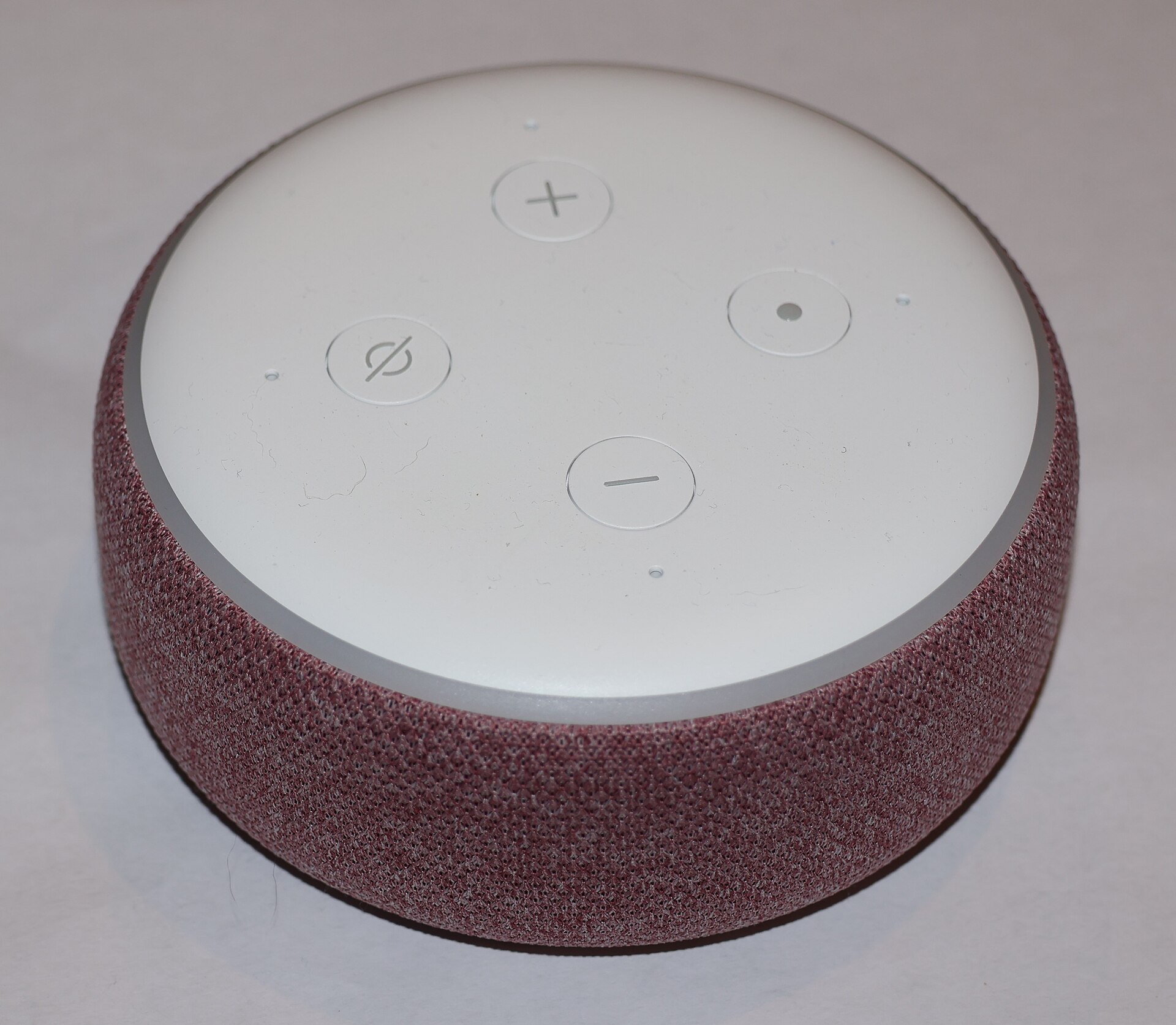
Amazon held the leading market share for smart speakers globally in 2019. The company's Echo line, powered by the Alexa voice assistant, dominated the category that had defined the smart home since 2014. Google, however, was closing the gap with the Google Nest Hub Max, released in September 2019. That gadget added a 10-inch display and a built-in Nest Cam to Google's smart display line, directly competing with Amazon's Echo Show range.
Beyond the Hardware
The battle was not just about hardware. Both companies were investing heavily in voice app ecosystems, with Amazon claiming tens of thousands of third-party Alexa skills and Google touting its superior natural language processing. By the end of 2019, the smart speaker market had matured past its peak growth phase. Vendors began shifting focus to displays, ambient sensors, and smart displays, recognizing that the voice-only unit had become a commodity.
Samsung's Missing Contender
The Galaxy Home delay illustrated the risk. Samsung's Bixby-powered unit, initially teased in 2018, faced significant delays and did not ship widely in 2019, leaving Samsung without a serious contender in the category.
Health Sensing Wearables: Apple Watch Series 5 and the Hearables Boom
The Watch Becomes a Health Monitor
Wearables in 2019 moved beyond step counting. The Apple Watch Series 5, launched in September 2019, introduced an always-on display and a built-in compass, but its most significant feature was the continued expansion of health sensors. Apple had already added an electrical heart sensor (ECG) in the Series 4, and the Series 5 carried forward that capability alongside fall detection, irregular rhythm notifications, and a noise app. The always-on display meant users could glance at health metrics without raising their wrist, a small change that improved the product's utility as a continuous health monitor.
The Hearables Surge
The broader hearables category also grew sharply. Wireless earbuds, led by Apple's AirPods, added hands-free Siri access and adaptive EQ. By the end of 2019, the wearables market had shifted from a niche for fitness enthusiasts to a mainstream electronics category, with health sensing becoming a primary purchase driver. The convergence of voice assistants and health sensors in a single gadget worn on the body pointed toward the ambient computing vision that Amazon, Google, and Apple were all pursuing.
The Standards War: Zigbee, Z-Wave, and the Birth of Matter
A Fragmented Smart Home
The smart home in 2019 was fragmented. Products from different manufacturers often required separate hubs, proprietary apps, and incompatible protocols. The dominant standards were Zigbee and Z-Wave, both mesh networking protocols designed for low-power hardware, but neither had achieved universal adoption. Buyers faced a choice between ecosystems, and interoperability was poor.
The CHIP Coalition Forms
In December 2019, Amazon, Apple, Google, and the Zigbee Alliance revealed the Project Connected Home over IP (CHIP) working group. The goal was to develop a royalty-free smart home connectivity standard based on Internet Protocol, allowing products from different manufacturers to communicate without proprietary bridges. The declaration was notable because it brought together the three largest voice assistant platforms, which had previously competed to lock users into their respective ecosystems. The CHIP working group successfully evolved into the Matter connectivity standard, which launched in 2022. The 2019 agreement was a recognition that the proprietary approach had limited the smart home's growth.
Privacy Scandals and Regulatory Scrutiny
The Alexa Recording Revelation
In April 2019, Bloomberg reported that Amazon employed thousands of workers to listen to Alexa voice recordings for product improvement. The revelation triggered a wave of privacy concerns about smart home gadgets with microphones and cameras. Users had not been explicitly informed that human reviewers could access their recordings, and the report raised questions about how voice data was stored, processed, and shared.
Industry-Wide Fallout
Amazon responded by allowing users to opt out of human review, but the damage to trust was done. Google and Apple faced similar scrutiny over their own assistant recording practices. The incidents highlighted a fundamental tension in the ambient model: the products that make the home more convenient also require continuous listening. Regulators in Europe and the United States began examining the data practices of smart device manufacturers, though formal regulatory action largely came after 2019. The privacy backlash did not halt the market's growth, but it forced vendors to add more transparent data controls.

5G and Edge Computing: Industrial IoT and Smart Cities
The Infrastructure Rollout Begins
While personal smart devices dominated headlines, 2019 also saw early convergence of 5G and edge computing for industrial IoT and smart city applications. 5G networks began rolling out in limited markets, offering lower latency and higher device density than 4G. Edge computing moved data processing closer to the endpoints themselves, reducing the need to send every sensor reading to the cloud.
Factory Floors and Traffic Grids
For industrial IoT, this meant real-time monitoring of factory equipment, predictive maintenance, and automated quality control. Smart city applications included traffic management systems that processed data from thousands of sensors at the network edge, adjusting signals in real time without waiting for a central server. The combination of 5G and edge computing was particularly valuable for applications requiring low latency, such as autonomous vehicle coordination and remote surgery. In 2019, these use cases were still early stage, but the infrastructure investments laid the groundwork for the deployments that followed in the 2020s.
Key Product Launches That Defined the Year
The Hits
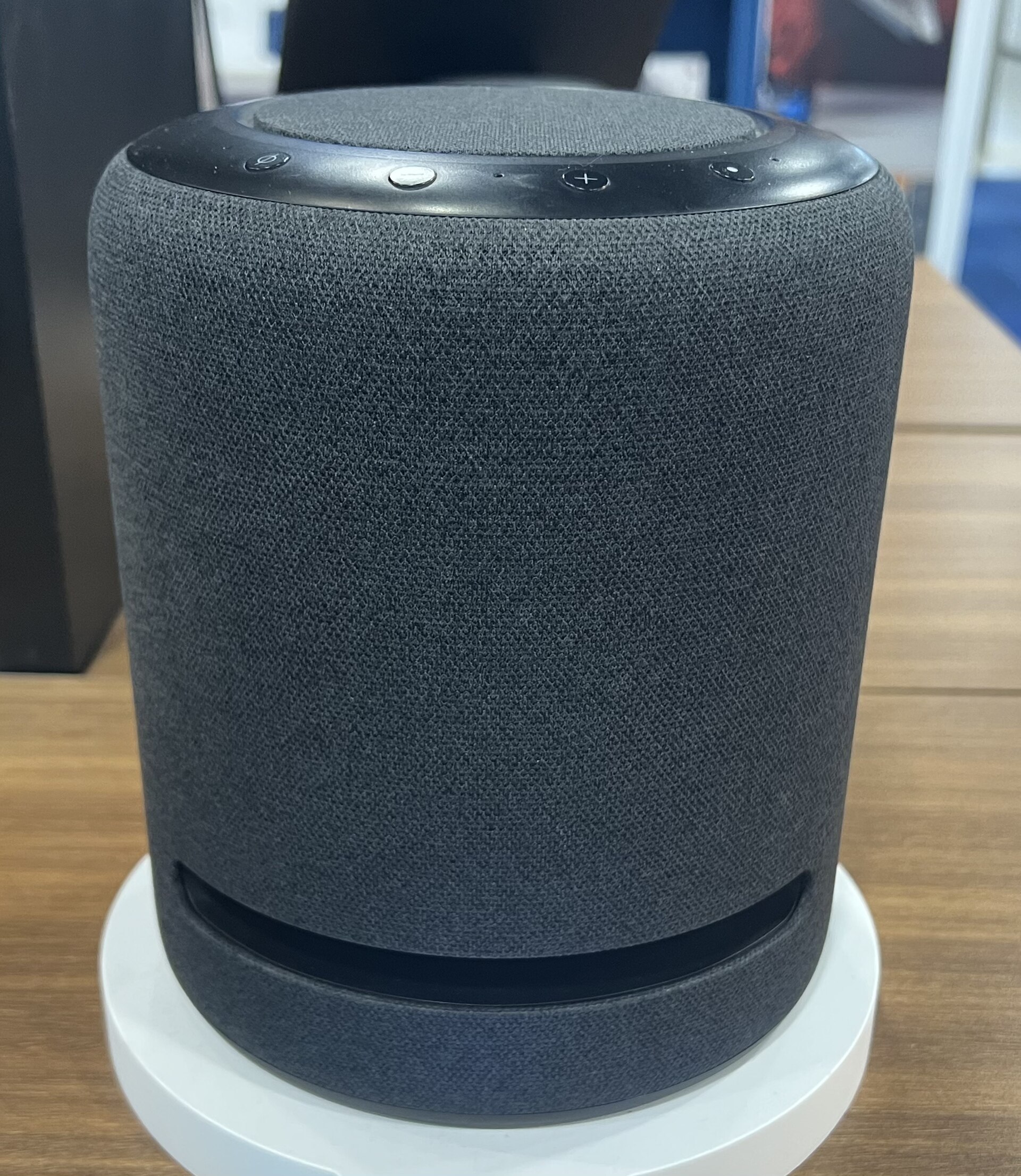
Several product launches in 2019 illustrated the year's dominant trends. The Amazon Echo Studio was Amazon's first smart speaker with a built-in Zigbee hub, allowing it to directly control compatible smart home products without an additional bridge. The Google Nest Hub Max, launched in September 2019, added a camera and larger display to Google's smart display line, enabling video calling and home monitoring. The Apple Watch Series 5, also launched in September 2019, pushed wearables further into health sensing.
The Miss
The most notable non-launch was Samsung's Galaxy Home. Teased in 2018 with considerable fanfare, the Bixby-powered unit faced significant delays and did not ship widely in 2019. The Galaxy Home was effectively cancelled, never receiving a full retail release. Its failure underscored the difficulty of entering the smart speaker market after Amazon and Google had already established dominant positions. By the end of 2019, the personal smart speaker market had matured past its peak growth phase, with vendors shifting focus to displays and ambient sensors rather than voice-only hardware.
Key Facts
- Global smart speaker shipments (2019): Exceeded 100 million units, per Strategy Analytics
- Amazon smart speaker market share (2019): Leading globally
- Google Nest Hub Max release: September 2019
- Apple Watch Series 5 release: September 2019, with always-on display and compass
- Project Connected Home over IP (CHIP) announced: December 2019, by Amazon, Apple, Google, and Zigbee Alliance
- CHIP outcome: Evolved into Matter standard, launched 2022
- Samsung Galaxy Home outcome: Effectively cancelled; never received full consumer release
- Alexa privacy controversy: Bloomberg reported in April 2019 that Amazon employed thousands of workers to listen to recordings
Frequently Asked Questions
What was the Project Connected Home over IP (CHIP) working group?
Revealed in December 2019 by Amazon, Apple, Google, and the Zigbee Alliance, CHIP was a working group to develop a royalty-free smart home connectivity standard based on Internet Protocol. It evolved into the Matter standard, which launched in 2022.
Did Samsung's Galaxy Home smart speaker ever ship?
No. The Galaxy Home, teased in 2018, faced significant delays and did not ship widely in 2019. It was effectively cancelled and never received a full retail release.
What privacy issues affected smart devices in 2019?
In April 2019, Bloomberg reported that Amazon employed thousands of workers to listen to Alexa voice recordings for product improvement, triggering widespread concern about the privacy practices of smart home gadgets with microphones and cameras.