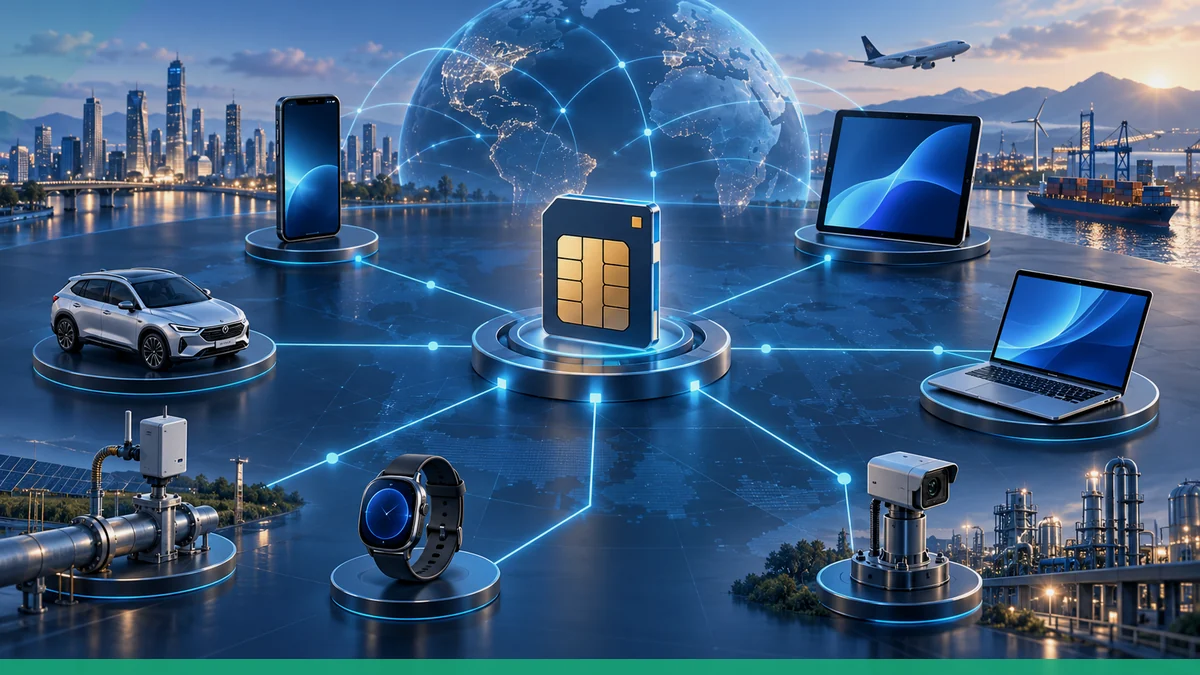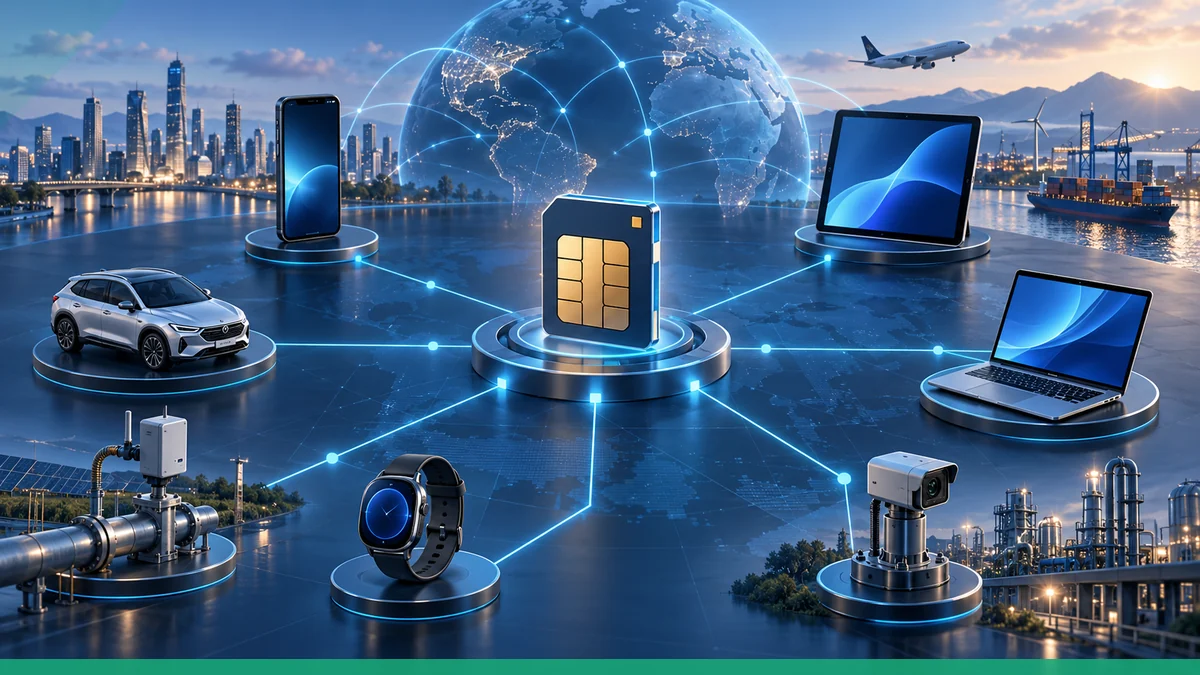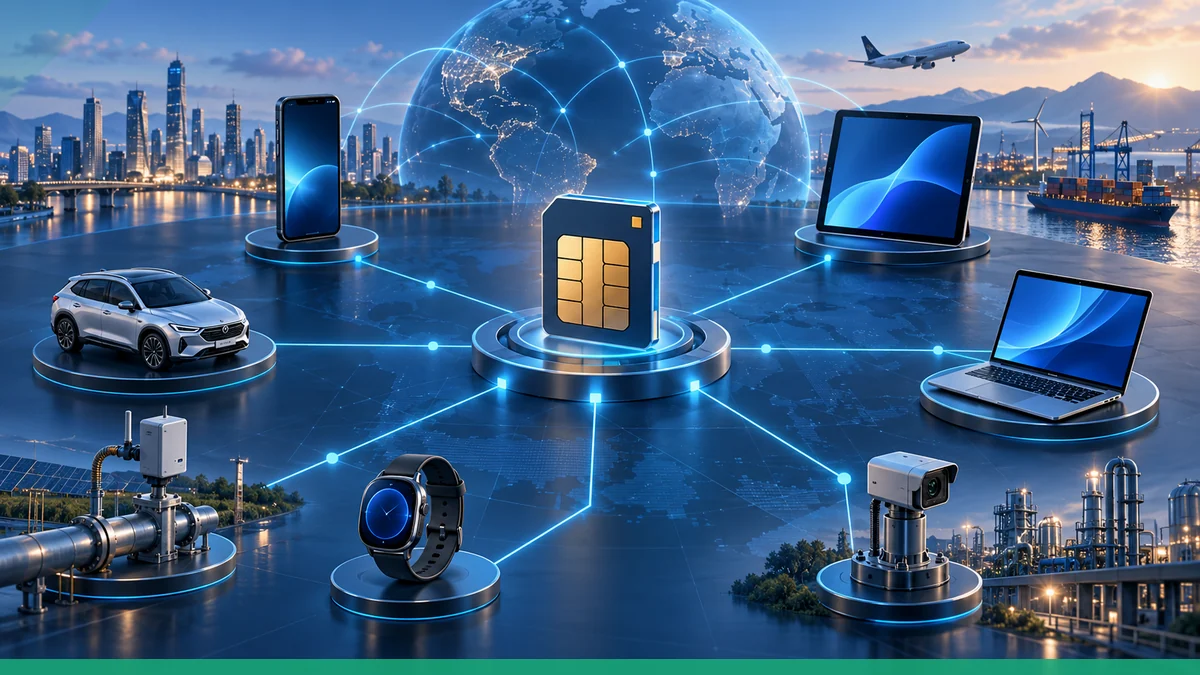
The Internet of Things in logistics means attaching RFID tags, GPS units, or environmental monitors to physical assets and feeding that data into a system that operators and customers can act on. The core components are the hardware on the asset, the connectivity layer that moves the data, and the software that turns raw signals into a decision. A pallet with a GPS tag is not IoT. That same pallet reporting its location, internal climate, and shock history to a cloud dashboard that triggers an alert when the cold chain breaks is IoT.
DHL and Cisco estimated in a 2015 white paper that IoT could generate between $1.5 trillion and $2.3 trillion in value for logistics over the following decade. That figure is a projection, not a result, but the direction was right. By 2022 the global cold chain monitoring market alone had reached about $4.7 billion, driven almost entirely by adoption of IoT monitors. Yet the most instructive story in IoT logistics is a failure. Maersk and IBM launched the TradeLens blockchain shipping platform in 2018, integrating IoT data from vessels and containers. The platform was discontinued in early 2023 because it never achieved the global commercial adoption needed to sustain it. The technology worked. The business model did not.
What follows covers what IoT actually does in logistics today, which firms have deployed it at scale, what worked, and what remains unresolved.

Asset Tracking and Inventory Visibility
RFID and GPS: the workhorses of location tracking
RFID tags and GPS units are the oldest and most widely deployed IoT technologies in logistics. An RFID tag costs a few cents and can be read by a fixed scanner at a dock door or warehouse portal. GPS units cost more but give continuous location data for trailers, containers, and high-value shipments. The operational benefit is that a company knows where its inventory is without a person scanning a barcode or opening a container.
Walmart's drone-tracking patent signals where trust matters
Walmart filed a US patent in 2018 for a blockchain-based system to manage IoT-tracked delivery drones. The patent describes a system where drones carrying inventory transmit location and status data to a distributed ledger, creating an auditable trail. Walmart has not publicly disclosed whether it deployed the system at scale, but the patent shows the direction of thinking: IoT data is only as useful as the trustworthiness of the record it feeds.
Why RFID accuracy depends on infrastructure investment
The practical barrier to widespread RFID adoption has been the cost of the readers and the difficulty of getting clean reads on metal or liquid-filled containers. Companies that solved those problems, usually by layering multiple reader antennas and tuning the radio frequency, report inventory accuracy above 98 percent. Companies that did not invest in the infrastructure report that their RFID data is no more reliable than a manual count.
Cold Chain Monitoring in Pharmaceuticals and Food
Continuous monitoring from pack point to delivery
Climate-sensitive shipments require continuous monitoring from the point of packing to the point of delivery. A vaccine that warms above its storage threshold for two hours is not necessarily spoiled, but it cannot be used. IoT environmental monitors that log internal climate, humidity, and light exposure every few minutes give shippers and regulators the data to decide whether a shipment is still viable.
How regulation drives pharmaceutical monitoring
The U.S. Food and Drug Administration's Drug Supply Chain Security Act, enacted in stages through the 2010s, requires pharmaceutical companies to track and verify prescription drugs at the package level. IoT monitors combined with serialization codes allow a manufacturer to prove that a specific bottle of medicine was kept at the correct temperature throughout its journey. Several large pharmaceutical distributors now require IoT monitoring as a condition of contract for any cold chain shipment.
Maersk's Remote Container Management cuts excursions
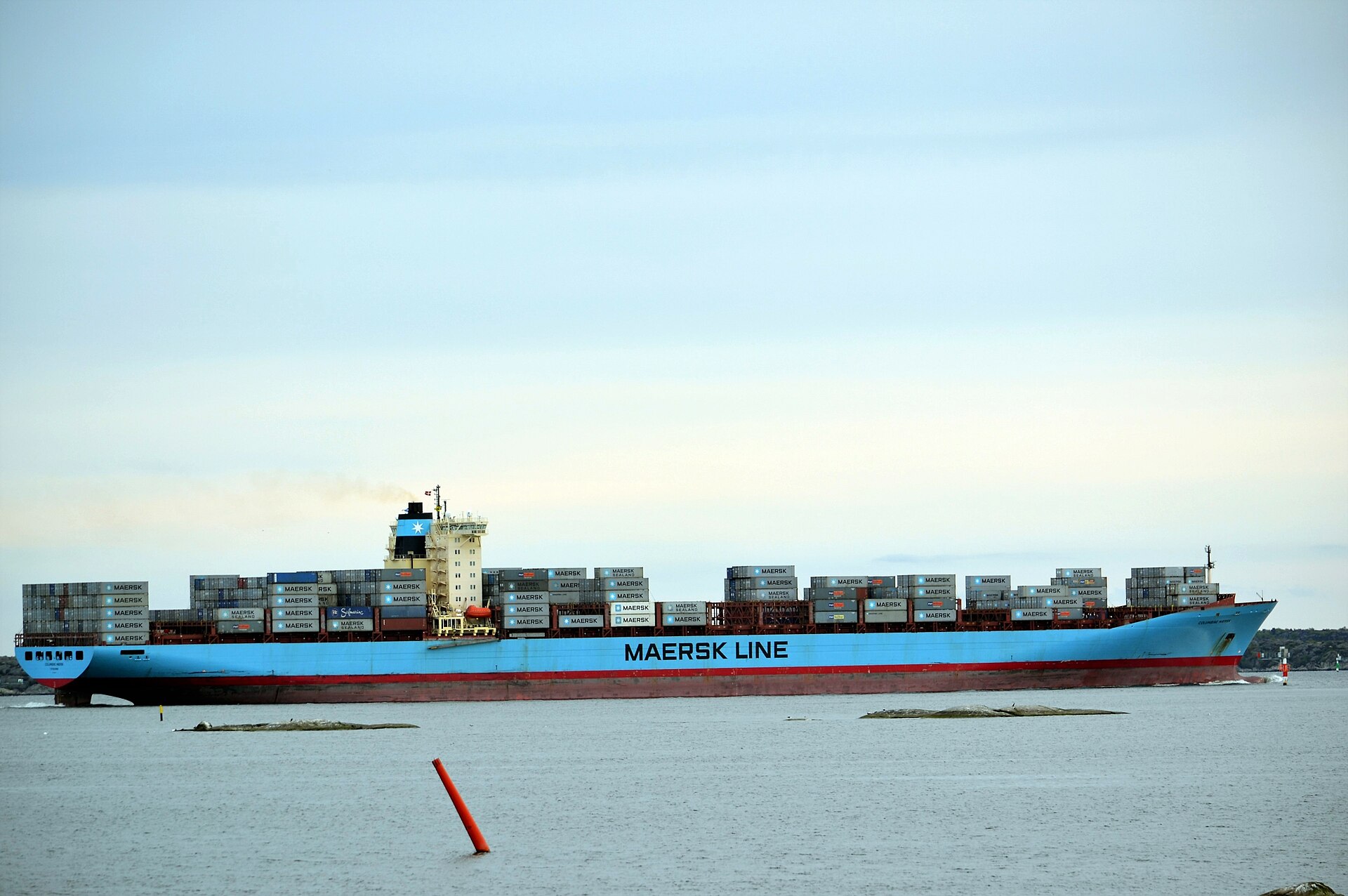
Maersk's Remote Container Management system, introduced in the mid-2010s, uses IoT monitors inside refrigerated containers to report internal climate, power status, and location. The system alerts Maersk and its customers when a container deviates from its setpoint, allowing corrective action before the cargo is lost. Maersk reported that the system reduced temperature excursions by a significant margin, though the company has not published a precise percentage in its public filings.
Predictive Maintenance and Fleet Management
How predictive models cut unplanned downtime
IoT monitors on trucks, forklifts, and conveyor motors measure vibration, component temperature, and run hours. The data feeds a model that predicts when a component will fail, allowing the operator to replace it during scheduled downtime rather than after a breakdown. A logistics company that runs 1,000 trucks can reduce unplanned maintenance events by 30 to 50 percent if the sensor data is accurate and the maintenance team acts on the alerts.
Fleet management delivers single-digit fuel savings
Fleet management is the simpler cousin of predictive maintenance. GPS and engine diagnostics tell a dispatcher where every vehicle is, how fast it is going, and whether the driver is idling excessively. The savings come from route optimization, reduced fuel consumption, and the elimination of paper logbooks. Several large European parcel carriers have reported fuel savings of 8 to 12 percent after deploying IoT-based fleet management systems.
The data-strategy gap that leaves dashboards useless
The challenge is that predictive maintenance models require months of clean training data. A new fleet with no sensor history cannot predict failures until it has collected enough run time and failure data to build a baseline. Companies that rushed to install monitors without a data strategy found themselves with dashboards full of raw telemetry and no way to act on it.
Warehouse Automation and the Kiva Systems Model
Amazon's $775 million bet on mobile shelving robots
Amazon acquired Kiva Systems in 2012 for $775 million, as reported in Amazon's SEC filing for that fiscal year. The exact price may vary slightly from rounded figures in public summaries; see Amazon's investor relations site for the official filing. Kiva's robots are essentially IoT devices: they carry shelves of inventory to a human picker, navigate using floor-mounted QR codes, and communicate with a central control system over a local wireless network. The acquisition was a bet that the combination of cheap sensors, reliable local connectivity, and centralized orchestration could replace miles of conveyor belts and the labor to walk them.
Picking time drops from 60 minutes to roughly 20
Amazon has not published the exact productivity gain from Kiva robots, but analysts who have studied the system estimate that the robots reduce the time to pick an item from about 60 minutes per hour of labor to roughly 20 minutes. The robots also eliminated the need for workers to walk long aisles pushing carts. Amazon now deploys more than 200,000 of these robots across its fulfillment centers worldwide.
Why controlled environments make the model work
The Kiva model works because the environment is controlled. The warehouse has consistent lighting, flat floors, and no weather. The robots communicate over a dedicated network with no interference from other radio sources. The same approach would not transfer directly to an outdoor container yard or a cross-dock facility, where conditions vary and network coverage is unreliable.

The Three Unresolved Problems: Security, Interoperability, Cost
Every connected device is a potential entry point
Every IoT device is a potential entry point for an attacker. A temperature monitor on a refrigerated container has limited processing power and often cannot run encryption or authentication protocols that would be standard on a laptop. If an attacker compromises that monitor, they may be able to move laterally into the warehouse management system or the corporate network. The logistics industry has been slow to adopt IoT-specific security standards, partly because the devices have a long service life and cannot be patched easily.
Interoperability remains unsolved after TradeLens
Interoperability is the second problem. A shipper who uses Maersk's RCM system, a warehouse that runs on a different IoT environment, and a customer who expects data in a third format must either build custom integrations or accept that data will be lost at each boundary. The TradeLens platform was supposed to solve this by creating a common data layer. It failed, and no replacement has emerged.
When insurance premiums beat the IoT investment
Cost remains a barrier for small and mid-sized logistics operators. The hardware for a single refrigerated container costs several hundred dollars, plus the monthly cellular data plan. A small fleet of 50 containers faces a six-figure upfront investment with a payback period that depends on the value of the cargo and the frequency of temperature excursions. Many operators have concluded that the insurance premium is cheaper than the IoT system.
What the TradeLens Shutdown Means for the Industry
The promise of a single source of truth for global shipping
The Maersk and IBM TradeLens platform was launched in 2018 with the goal of digitizing the global shipping supply chain. It integrated IoT data from containers, vessel sensors, and port equipment onto a blockchain-based ledger that all parties could query. The promise was that a customs broker, a freight forwarder, a port operator, and a beneficial cargo owner would all see the same data in real time, eliminating the faxes, emails, and phone calls that still dominate container shipping.
Why critical mass never materialized
The platform attracted several major ocean carriers and port authorities, but it never achieved the critical mass of participants needed to make the network valuable. Maersk and IBM announced in November 2022 that TradeLens would be discontinued, and the platform shut down in early 2023. The stated reason was that the platform had not achieved full global commercial viability. In plain language, not enough companies paid for the service, and the free tier did not generate enough network effects to justify the operating cost.
Technology works; business models still lag
The lesson for IoT in logistics is that technology alone does not create a market. The sensors and the data platform worked. What was missing was a business model that aligned incentives across a fragmented industry where most participants do not trust each other. That problem has not been solved, and it will limit IoT adoption in logistics until someone finds a way to make data sharing as cheap and reliable as the sensors themselves.
Key Facts
- IoT value projection (DHL/Cisco, 2015): $1.5 trillion to $2.3 trillion over 10 years
- Global cold chain monitoring market (2022): ~$4.7 billion
- Amazon acquisition of Kiva Systems (2012): $775 million (per Amazon SEC filing)
- Amazon Kiva robots deployed (approximate): >200,000
- TradeLens launched: 2018
- TradeLens discontinued: Early 2023
- Walmart drone tracking patent filed: 2018
- FDA Drug Supply Chain Security Act driver: Pharmaceutical serialization and tracking
Frequently Asked Questions
What is the biggest obstacle to IoT adoption in logistics?
The combination of high upfront hardware costs, lack of interoperability between different IoT environments, and unresolved data security vulnerabilities. Small and mid-sized operators often find that the insurance premium is cheaper than the IoT system.
Why did TradeLens fail if the technology worked?
TradeLens failed because it did not achieve full global commercial viability. Not enough companies paid for the service, and the network effects that would have made the data valuable never materialized. The business model could not align incentives across a fragmented and distrustful industry.
How much can IoT reduce fuel consumption in fleet management?
Several large European parcel carriers have reported fuel savings of 8 to 12 percent after deploying IoT-based fleet management systems that combine GPS tracking with engine diagnostics.
Is RFID still relevant for inventory tracking?
Yes. RFID tags cost a few cents and give inventory accuracy above 98 percent when the reader infrastructure is properly tuned. The barrier is the cost of readers and the difficulty of reading tags on metal or liquid-filled containers.