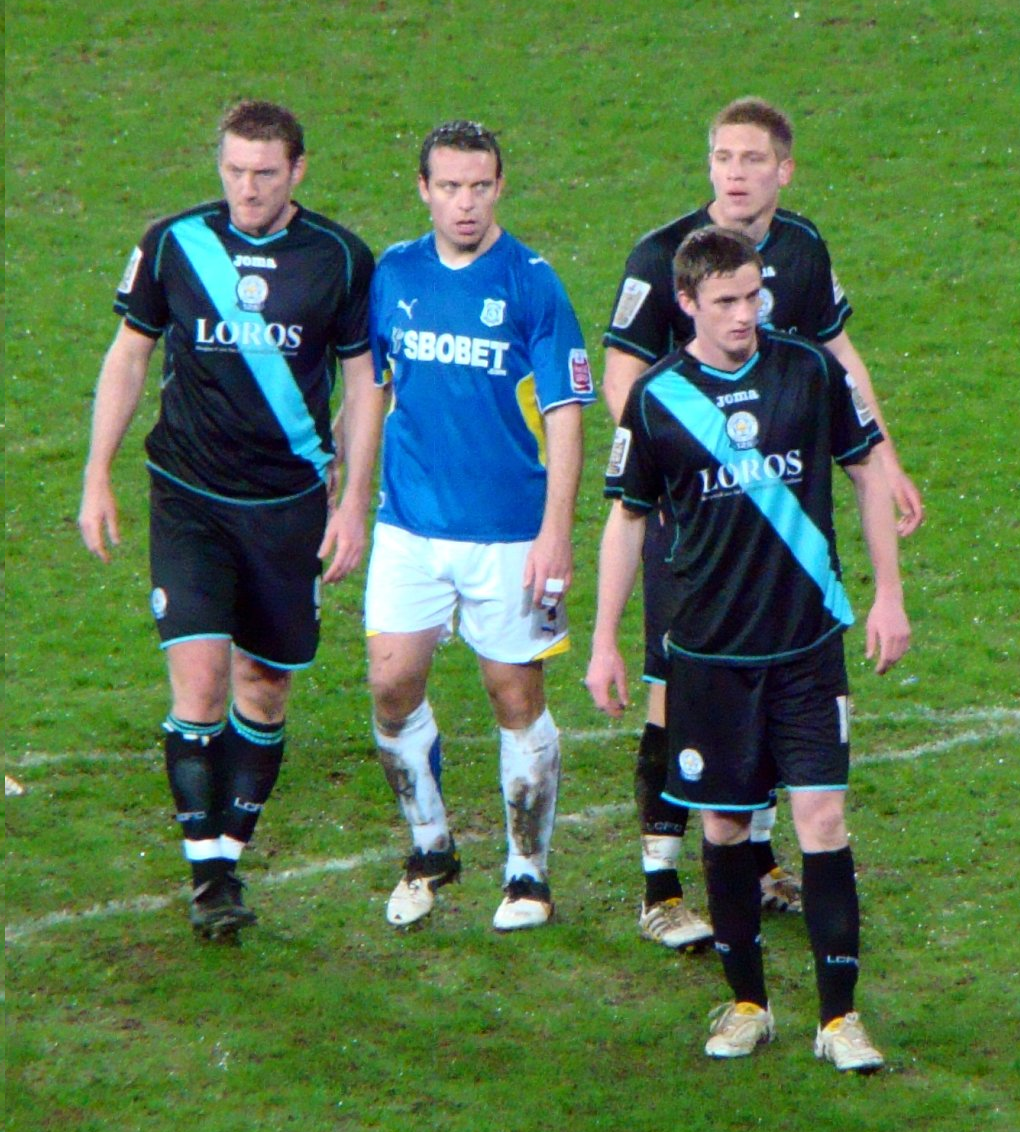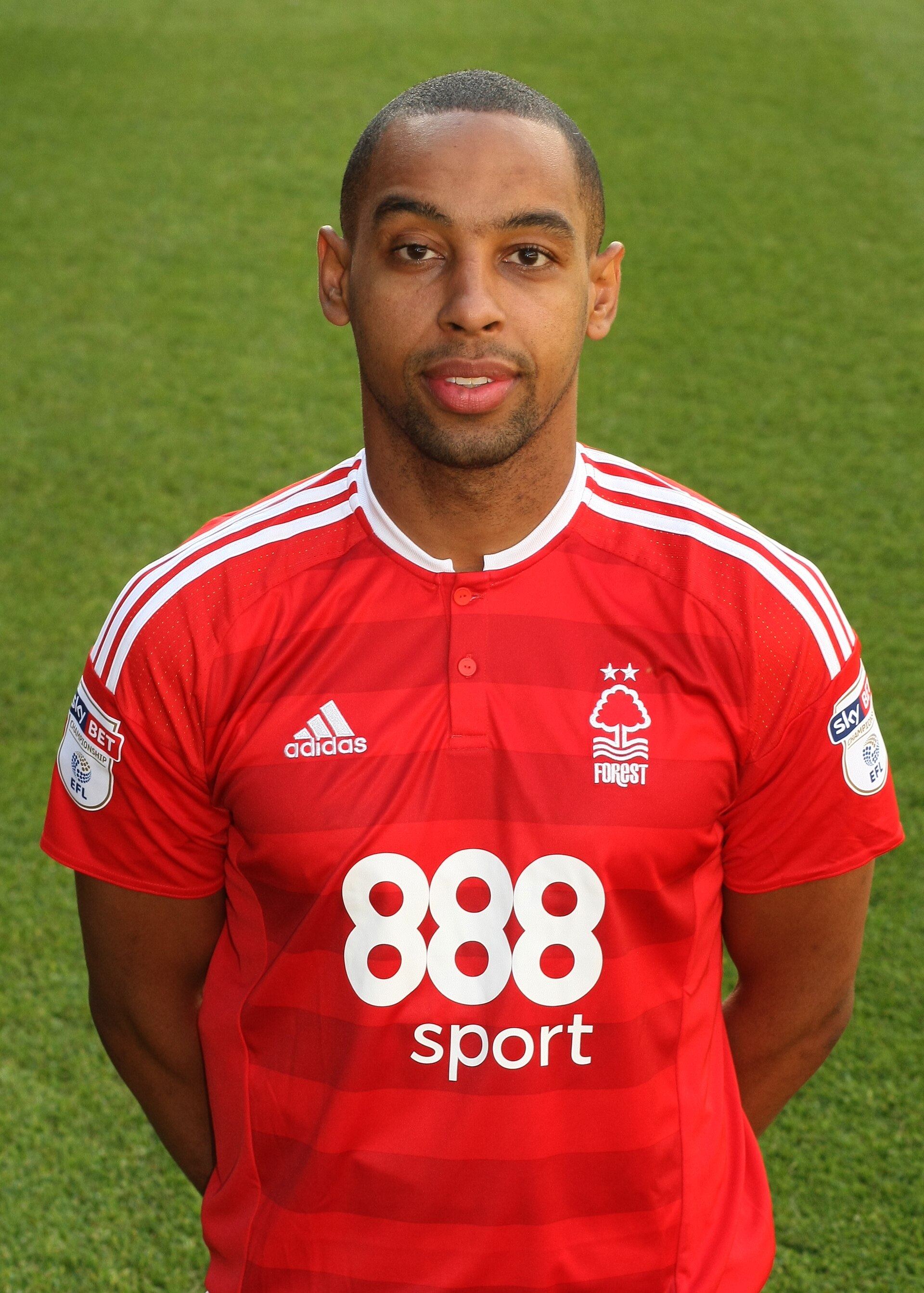
Football kit deals now split into two distinct revenue streams. Shirt-front sponsorship pays for brand exposure on the jersey. Technical supply contracts pay for the right to manufacture and distribute the kit. Both have grown from modest local arrangements into global partnerships that underpin elite club finances. In September 2022, the UK Competition and Markets Authority fined Elite Sports and JD Sports a combined £1.944 million for colluding to fix the retail prices of Rangers FC replica shirts. That case, and a larger one from 2006, show regulators have had to police the replica kit market repeatedly as the sums multiplied.
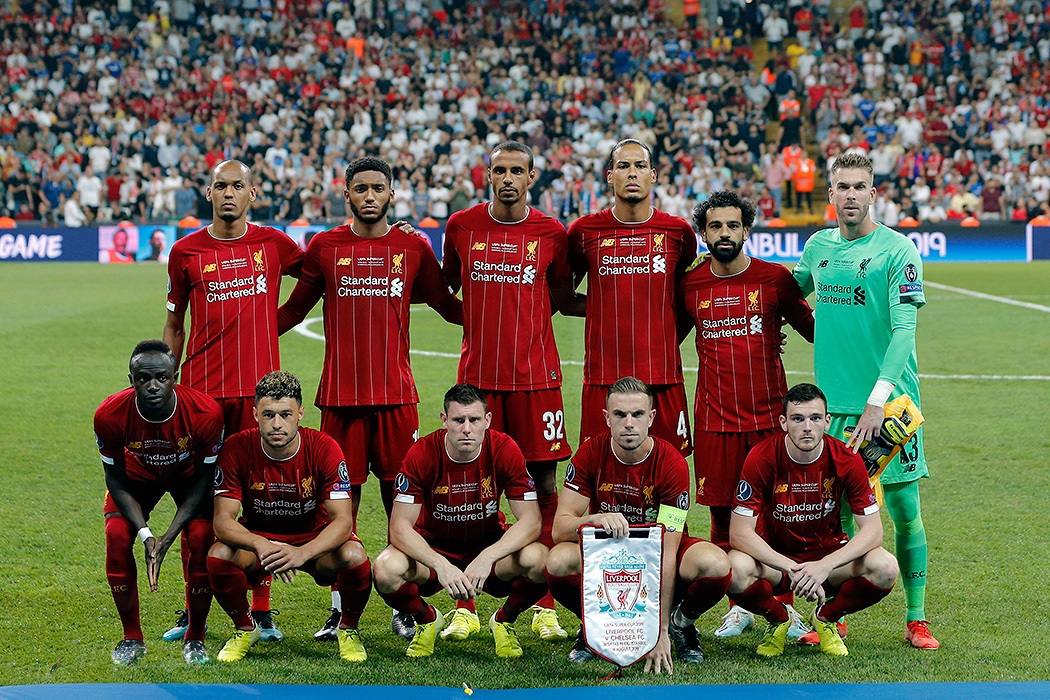
Liverpool FC became the first English professional club to wear a sponsored shirt in 1979, signing a deal with Hitachi worth £50,000 per year. That single payment looks trivial next to today's figures. Real Madrid's kit supply deal with Adidas, renewed in 2019, is reported at €120 million per season. Barcelona's long-term contract with Nike, signed in 2016 and extended in 2018, was reported to be worth a fixed sum of at least €105 million per season, with potential bonuses. The two revenue streams are structurally different. A sponsorship fee buys exposure. A supply fee buys exclusivity and merchandising rights. Together they form a critical pillar of club income.

How Shirt Sponsorship Evolved from Local to Global
When Liverpool struck its deal with Hitachi in 1979, shirt sponsorship was a novelty. The English Football League had only lifted its ban on shirt advertising in 1977. Clubs treated the space as a modest additional income source rather than a strategic asset. Over the next decade, as television broadcast revenues grew, the value of that chest real estate soared. By the 1990s, shirt-front deals were a standard part of Premier League club finances. By the 2000s they had become a global marketplace. Banks, airlines and telecom companies competed for space.
The Premier League introduced sleeve sponsorship in the 2017-18 season, creating a second visible patch on the shirt. Chelsea signed the first such deal with Alliance Tyres. That development added a new revenue line without altering the fundamental structure of the primary sponsorship agreement. Clubs now routinely separate their shirt-front sponsor, their sleeve sponsor and their kit manufacturer into distinct contracts. Each is negotiated independently. Each contributes to the total commercial income that appears in the club's accounts under Financial Fair Play and Profit and Sustainability Rules calculations.
The Two Price-Fixing Cases That Shaped the Replica Kit Market
The 2006 OFT case
The first major regulatory intervention came in 2006. The UK Office of Fair Trading fined several companies, including JJB Sports and Umbro, a total of approximately £20 million for price-fixing replica football kits. That case established that the retail price of a fan's shirt was not simply a matter of market forces. It could be rigged by collusion between manufacturers and retailers. It also set a precedent that competition authorities would treat replica kit pricing as a priority.
The 2022 CMA case
Sixteen years later, the Competition and Markets Authority found that Elite Sports and JD Sports had colluded to fix the retail prices of Rangers FC replica kits from September 2018 to July 2019. The CMA provisionally found the companies had broken competition law in September 2021. It concluded the investigation in September 2022 with fines of £1.485 million for JD Sports and £459,000 for Elite Sports. The two cases, separated by more than a decade, show that the incentive to fix prices in the replica kit market persists even after high-profile penalties. Both matters are now concluded.
The Scale of the Biggest Modern Kit Supply Deals
The United benchmark
Manchester United's 10-year kit supply deal with Adidas, signed in 2014 and effective from 2015, was worth a guaranteed minimum of £750 million. That agreement set a new benchmark for the industry. A single technical supply contract could rival the total broadcasting revenue of a mid-tier Premier League club.
The Spanish giants
Real Madrid's deal with Adidas, valued at a reported €120 million per season, and Barcelona's contract with Nike, worth at least €105 million per season, operate at a similar tier. These figures are not simply payments for clothing. The supply contracts typically include royalties on replica sales, global distribution rights, and in some cases joint ventures for club retail operations. The manufacturer takes on the cost of design, production and logistics in exchange for the right to sell the club's branded merchandise worldwide. For the biggest clubs, the manufacturer relationship is as important as the shirt sponsor in terms of annual revenue. The two contracts together often account for more than a quarter of total commercial income.
How the Barcelona-Nike Dispute Ended
The breakdown threat
Barcelona's relationship with Nike appeared to be heading toward a breakup in the early 2020s. The club's 2016 contract, extended in 2018, had become a source of public tension. Barcelona argued that the fixed sum of at least €105 million per season no longer reflected the club's global reach. The club explored legal avenues to exit the agreement early. The dispute escalated to the point where Barcelona threatened litigation against its own kit supplier.
The March 2024 resolution
In March 2024, the two sides announced a new multi-year extension to their partnership, ending the period of public dispute and legal threats. The terms of the new deal were not disclosed. The resolution meant that Barcelona retained its long-standing technical supplier rather than switching to a competitor. The outcome was a negotiated extension rather than a rupture. It removed a significant uncertainty from Barcelona's commercial revenue projections at a time when the club was navigating Financial Fair Play constraints.

The Shift Toward Direct-to-Consumer Retail and Its Effect on Kit Deals
Why clubs are going direct
Clubs have increasingly moved toward direct-to-consumer retail operations. They sell kits and merchandise through their own online stores and physical outlets rather than relying entirely on third-party retailers. That shift changes the economics of kit supply deals. When a club controls its own retail channel, it captures a larger share of the margin on each shirt sold. It also takes on the inventory risk and the cost of fulfilment.
How contracts are adapting
Traditional kit supply contracts gave the manufacturer control over distribution. They set a wholesale price at which the club could buy stock for its own store. As clubs build their own retail capabilities, they negotiate for a greater share of the retail revenue or for the right to operate their own e-commerce platform under the supply agreement. The trend is still in its early stages for most Premier League clubs. It has already altered how new contracts are structured. A club that can sell directly to its global fan base is a more valuable partner for a manufacturer than one that depends on third-party retailers. The terms of the supply deal reflect that.
Kit Deals as a Revenue Pillar in Financial Fair Play and Profit and Sustainability Rules
The regulatory arithmetic
Under UEFA's Financial Fair Play regulations and the Premier League's Profit and Sustainability Rules, a club's spending on wages and transfers is capped relative to its income. Kit deals, both sponsorship and supply, count as commercial revenue. They directly increase the headroom a club has for spending. A club that signs a large kit supply contract can immediately add that sum to its allowable spending limit. These deals are strategically important beyond their direct financial value.
Related-party scrutiny
The distinction between a sponsorship deal and a supply deal matters for regulatory purposes. A sponsorship fee is classified as commercial income with few restrictions on how it is earned. A supply contract must reflect fair market value for the goods and services provided. Regulators including the Premier League and UEFA have scrutinised related-party kit deals. Where the manufacturer or sponsor is owned by the same entity that owns the club, they check the income is not inflated artificially. As the sums involved continue to grow, the accounting treatment of these contracts will remain a focus for financial regulators.
Key Facts
- First shirt sponsorship (English club): Liverpool FC and Hitachi, 1979, £50,000 per year
- Largest known kit supply deal: Manchester United and Adidas, 2015, £750 million over 10 years
- Highest reported annual kit supply value: Real Madrid and Adidas, 2019, €120 million per season
- Barcelona-Nike annual value: At least €105 million per season (2016 contract, extended 2018)
- CMA fine for Rangers replica kit price-fixing: £1.944 million total (JD Sports £1.485 million, Elite Sports £459,000), imposed September 2022
- OFT fine for replica kit price-fixing (2006): Approximately £20 million against JJB Sports, Umbro and others
- First Premier League sleeve sponsorship: Chelsea and Alliance Tyres, 2017-18 season
Comparison of Major Kit Supply Contracts
| Club | Manufacturer | Annual Value (reported) | Start Year |
|---|---|---|---|
| Manchester United | Adidas | £75 million (minimum) | 2015 |
| Real Madrid | Adidas | €120 million | 2019 |
| Barcelona | Nike | €105 million (minimum) | 2016 |