The Premier League's front-of-shirt sponsorship market is the most expensive inventory in global football. For the 2023-24 campaign, total annual revenue from these deals exceeded £300 million. That figure is roughly three times the combined shirt sponsorship income of Spain's La Liga and Italy's Serie A, according to industry analysts. The league's collective value is driven by global broadcast reach, particularly in Asia and the Middle East, and by the concentration of wealth among the traditional 'big six' clubs.
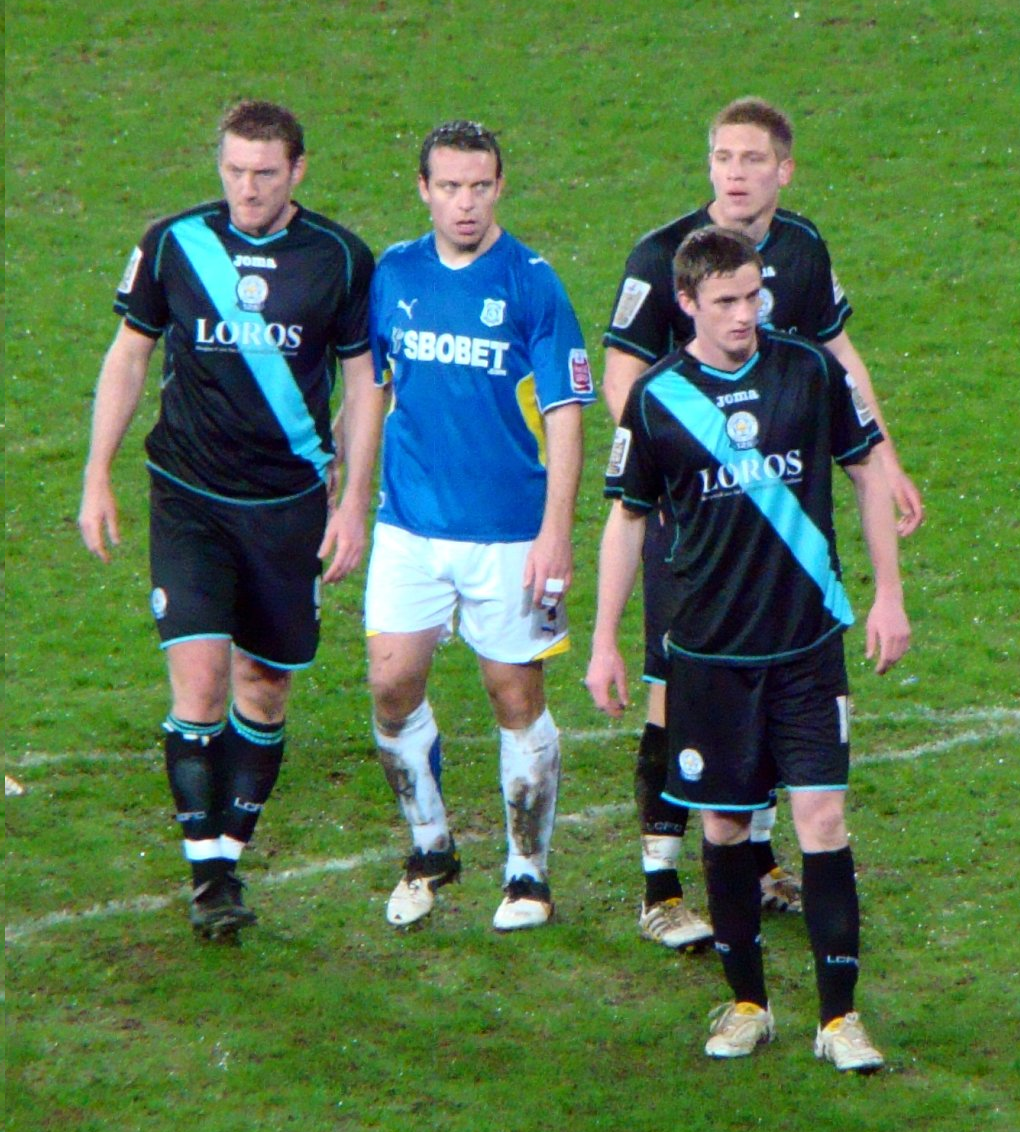
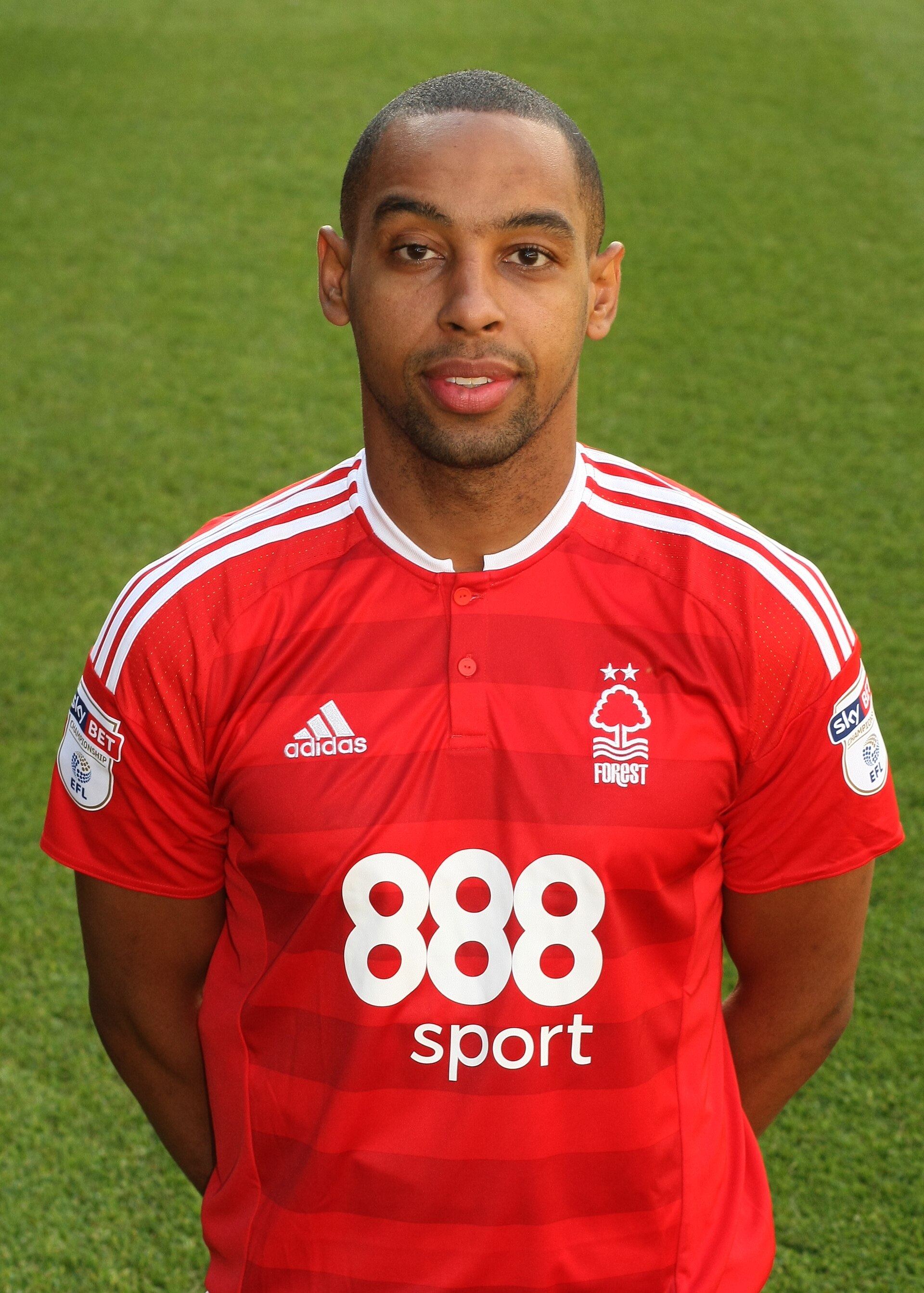
In April 2023, the UK government confirmed a ban on front-of-shirt gambling sponsorships as part of a wider gambling white paper reform. The ban is set to take effect from the end of the 2025-26 term. However, the Premier League clubs collectively agreed to voluntarily remove gambling sponsors from the front of shirts starting from the 2026-27 campaign, ahead of government legislation. This voluntary agreement gave clubs a three-season runway to find replacement partners. For the 2022-23 term, eight Premier League clubs had front-of-shirt gambling sponsors. That number remained significant for the 2023-24 campaign, with clubs including Everton (Stake.com), West Ham United (Betway), and Brentford (Hollywoodbets) still carrying betting logos.
The ban will reshape the market. Clubs with existing gambling deals face a phased transition, while the league as a whole must replace an estimated £60 million to £80 million in annual revenue from betting partners. The question for operators and investors is which sectors will fill the gap and how the economics of these deals will evolve.

The Total Aggregate Value of Premier League Shirt Sponsorships
The Premier League's total front-of-shirt sponsorship revenue for the 2023-24 campaign was estimated at over £300 million annually. That figure includes all 20 clubs, from Manchester City's reported deal with Etihad Airways, valued in a band around £67.5 million per year, to newly promoted clubs that typically sign deals worth £5 million to £10 million. The league's collective value is more than double the next highest European league, the German Bundesliga, and roughly three times that of Spain's La Liga. The disparity is partly explained by the Premier League's global media rights deals, which generate more than £3 billion per season. Clubs with larger international audiences can command higher shirt sponsorship fees because the sponsor's logo is seen by viewers in more markets.
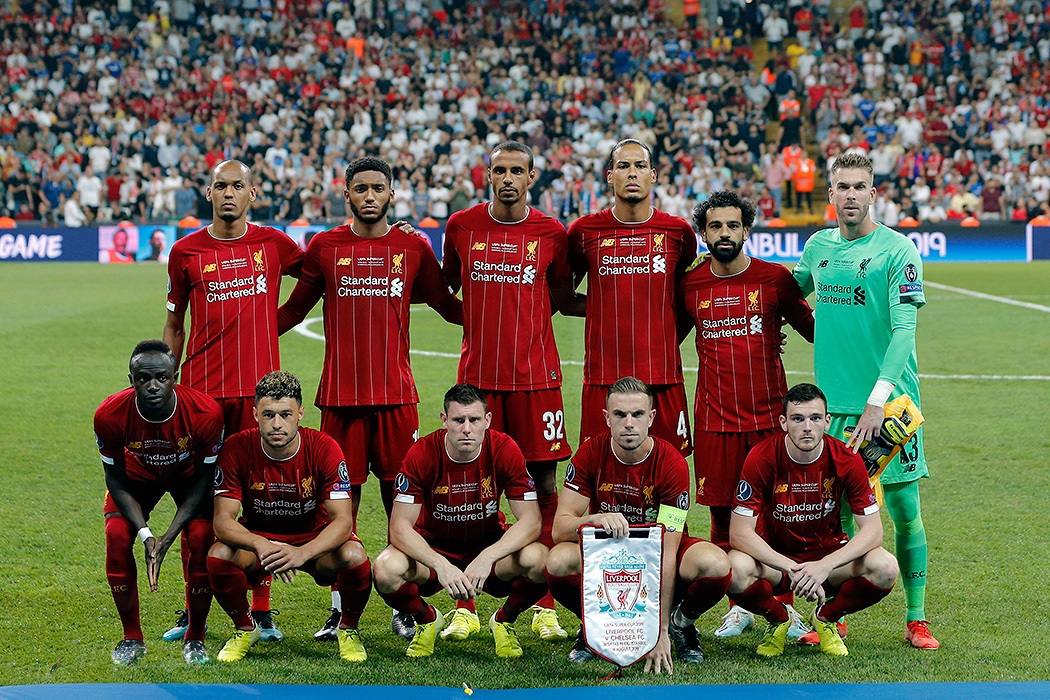
The 'big six' clubs account for a disproportionate share of total revenue. Manchester City's Etihad deal, Liverpool's Standard Chartered agreement at approximately £50 million per year, Manchester United's Snapdragon deal at approximately £60 million, Arsenal's Emirates deal at around £40 million, Chelsea's one-year Infinite Athlete deal at around £40 million, and Tottenham Hotspur's deal with AIA at approximately £40 million together account for roughly £300 million annually. That means the remaining 14 clubs share a smaller pool, with deals typically ranging from £5 million to £20 million per year. The gap between the top and bottom deals is a structural feature of the market, driven by broadcast reach and historical brand equity. Exact figures vary by contract and are set by the clubs and sponsors themselves; readers should consult official club announcements for confirmed terms.
The Gambling Sponsorship Ban: Timeline and Terms
The UK government announced the ban on front-of-shirt gambling sponsorships in the Premier League in April 2023 as part of a wider gambling white paper reform. The ban is set to take effect from the end of the 2025-26 term. However, the Premier League clubs collectively agreed to voluntarily remove gambling sponsors from the front of shirts starting from the 2026-27 campaign, ahead of government legislation. This voluntary agreement gave clubs a three-season runway to find replacement deals. The ban applies only to front-of-shirt sponsorship; sleeve sponsors and other partnerships with gambling firms are not affected by the voluntary agreement, though they may face future regulatory scrutiny.
For the 2022-23 term, eight Premier League clubs had front-of-shirt gambling sponsors. For the 2023-24 campaign, the number remained significant, including Everton (Stake.com), West Ham United (Betway), Brentford (Hollywoodbets), and others. The voluntary ban was designed to avoid a sudden revenue cliff for clubs that would have struggled to replace gambling sponsors overnight. It also gave the league time to negotiate collectively with potential new sponsors from non-gambling sectors. The UK Gambling Commission's role in approving or restricting sponsorship deals is limited to ensuring compliance with existing gambling advertising regulations, but the ban was driven by government policy, not the commission's enforcement actions.
Financial Impact on Clubs with Betting Sponsors
Direct Revenue Exposure
Clubs that currently have front-of-shirt gambling sponsors face a direct financial impact from the ban. For the 2023-24 campaign, Everton's deal with Stake.com was valued at around £10 million per year, West Ham's deal with Betway was reported in a band of £10 million to £15 million, and Brentford's deal with Hollywoodbets was estimated in a band of £5 million to £8 million. These clubs will need to find replacement sponsors by the 2026-27 term or risk a significant revenue shortfall. The clubs most affected are those that rely on gambling sponsors as their primary shirt partner, rather than those that have diversified sponsorship portfolios with multiple non-gambling partners. All figures are media-reported estimates; the clubs and sponsors set final terms, and official sources should be checked for confirmed numbers.
The Two-Tier Market
Clubs that had already begun transitioning away from gambling sponsors before the ban are at an advantage. Manchester United terminated its deal with TeamViewer early and signed a new agreement with Qualcomm's Snapdragon brand starting in 2024-25, valued at approximately £60 million per year. That deal replaced a gambling sponsor from a previous era and demonstrates that clubs with strong global brands can secure premium deals from non-gambling sectors. Clubs with smaller global audiences, such as Brentford and West Ham, may find it harder to attract sponsors willing to pay comparable fees. The ban is expected to create a two-tier market: big-six clubs will easily replace gambling revenue, while smaller clubs may have to accept lower deal values or turn to sleeve and training kit sponsorships to offset losses.
Non-Gambling Sectors: Aviation, Fintech, and Crypto
Aviation's Long-Term Play
Aviation, fintech, and cryptocurrency firms have become major sponsors of Premier League clubs, filling the gap left by the declining number of gambling deals and expanding the overall market. Etihad Airways' deal with Manchester City, reported at approximately £67.5 million per year, is the most valuable in the league. Emirates sponsors both Arsenal (around £40 million per year) and has a long-standing relationship with the club that includes stadium naming rights. These aviation deals are attractive to clubs because they offer long-term stability and global brand alignment, especially in Asian and Middle Eastern markets where the airlines have hub operations. As with all sponsorship figures, the clubs and their partners set the final terms; readers should verify via official channels.
Fintech and Crypto's Uncertain Horizon
Fintech and cryptocurrency sponsors have entered the market more recently. Crypto.com signed a front-of-shirt deal with Aston Villa, and OKX became a training kit sponsor for Manchester City. These deals were signed during the crypto boom of 2021 and 2022, when valuations were high and marketing budgets were large. The long-term viability of these sponsorships is uncertain, given market volatility and regulatory uncertainty around cryptocurrency advertising. However, the emergence of these sectors has diversified the sponsor base and increased competition for premium shirt inventory. The Premier League's global reach, particularly in Asia, makes it a priority property for fintech and crypto firms seeking to build brand awareness in new markets.
The Role of 'Big Six' Clubs in Driving Market Value
Concentration at the Top
The six clubs commonly referred to as the 'big six', Manchester City, Manchester United, Liverpool, Arsenal, Chelsea, and Tottenham Hotspur, account for the majority of Premier League front-of-shirt sponsorship revenue. Their combined deals are worth approximately £300 million per year, which is roughly equal to the total value of all 20 clubs' deals. Manchester City's Etihad deal at £67.5 million, Manchester United's Snapdragon deal at £60 million, Liverpool's Standard Chartered deal at £50 million, Arsenal's Emirates deal at £40 million, Chelsea's Infinite Athlete deal at £40 million, and Tottenham's AIA deal at £40 million set the ceiling for the market. These values are reported estimates; the clubs and their commercial partners determine the actual figures, and official announcements should be consulted.
Why the Gap Keeps Widening
The disparity between big-six clubs and the rest of the league is structural. Big-six clubs have larger global fan bases, more broadcast exposure, and stronger brand equity. A sponsor's logo on a Manchester United shirt is seen by an estimated 1.1 billion people globally across broadcast and digital channels, according to the club's own estimates. That reach commands a premium that lower-ranked clubs cannot match. The gap has widened over the past decade as big-six clubs have invested in global marketing and digital content, while smaller clubs have struggled to grow their international audiences. This concentration of value means that the overall market is highly sensitive to the performance of the big-six clubs in European competitions and their ability to maintain global brand relevance.
How Multi-Year Sponsorship Contracts Are Structured
Base Fees and Performance Bonuses
Premier League front-of-shirt sponsorship contracts are typically multi-year agreements ranging from three to ten years. The structure varies by club and sponsor, but most deals include a base annual fee plus performance-related clauses tied to league position, cup success, and Champions League qualification. A club that finishes in the top four and qualifies for the Champions League may trigger a bonus payment of 10% to 20% of the base fee. Some contracts also include global versus regional rights distinctions. A global deal gives the sponsor full brand exposure across all territories where the club's matches are broadcast, while a regional deal restricts the logo to specific markets, usually with a lower fee.
Exit Clauses and the Gambling Deadline
Termination clauses are common, especially in deals with tech and crypto sponsors. Manchester United's deal with TeamViewer was terminated early, and the club signed a new deal with Qualcomm's Snapdragon brand starting in 2024-25. Early termination can be triggered by a change in the sponsor's business strategy, a breach of contract, or mutual agreement. The gambling ban has introduced a new termination trigger: clubs with gambling sponsors that extend beyond the 2025-26 term are expected to negotiate early exit clauses or transition to sleeve or training kit sponsorships. The specific terms of these clauses are not publicly disclosed, but the voluntary agreement gives clubs a clear deadline for renegotiation.
Influence of Asian and Middle Eastern Brands
Strategic Investment, Not Just Advertising
Asian and Middle Eastern brands are the largest source of Premier League front-of-shirt sponsorship revenue. Etihad Airways (Abu Dhabi), Emirates (Dubai), and AIA (Hong Kong) are among the most valuable sponsors in the league. These deals are driven by strategic investment in global brand awareness, particularly in markets where the Premier League has high broadcast penetration. Etihad's sponsorship of Manchester City is part of a broader relationship that includes stadium naming rights and ownership links through the Abu Dhabi United Group. Emirates has sponsored Arsenal since 2006, with the deal including both shirt sponsorship and stadium naming rights. AIA's deal with Tottenham Hotspur is the longest-running front-of-shirt sponsorship in the Premier League, having started in 2013.
Setting the Pricing Benchmark
The influence of these brands extends beyond individual club deals. They have helped set the market's pricing benchmarks, with Asian and Middle Eastern sponsors typically willing to pay higher fees for longer terms than European or North American brands. This is partly because these sponsors view the Premier League as a platform for building brand recognition in emerging markets where they are expanding operations. AIA uses its Tottenham sponsorship to build brand awareness in China and Southeast Asia, where the club has a large fan base. The gambling ban is unlikely to reduce the presence of Asian and Middle Eastern brands; in fact, it may increase competition among them as gambling sponsors exit and clubs seek new premium partners.
Regulatory Role of the Premier League and UK Gambling Commission
Self-Regulation Before Legislation
The Premier League and the UK Gambling Commission play complementary but distinct roles in regulating front-of-shirt sponsorship deals. The Premier League sets its own commercial rules, including approval of sponsorship agreements for compliance with league standards. It does not formally veto deals, but it can pressure clubs to avoid sponsors that would damage the league's reputation. The league's collective decision to voluntarily remove gambling sponsors from the front of shirts from the 2026-27 campaign is an example of self-regulation that preceded government legislation. This voluntary agreement was designed to give clubs time to transition and to avoid a mandatory ban that might have imposed a shorter timeline.
The Commission's Limited Mandate
The UK Gambling Commission's role is limited to enforcing gambling advertising regulations under the Gambling Act 2005. It can investigate and sanction clubs or sponsors that breach advertising rules, such as those prohibiting marketing to minors or promoting irresponsible gambling. However, the commission does not approve or reject sponsorship deals in advance. The government's gambling white paper, published in April 2023, set the policy direction for the ban, but the commission is not the enforcement body for the ban itself. The specific enforcement mechanism the UK government will use if the voluntary ban is not fully adopted has not been detailed. As of April 2024, the position since is not established here. The ban is scheduled to take effect from the end of the 2025-26 term, with the voluntary agreement covering the 2026-27 campaign onward.
Key Facts
- Total annual front-of-shirt sponsorship revenue (2023-24): Over £300 million
- Ban on gambling sponsors announced: April 2023 (white paper reform)
- Voluntary ban effective from: 2026-27 season (ahead of legislation)
- Statutory ban effective from: End of 2025-26 season
- Clubs with gambling sponsors (2022-23): 8 clubs
- Most valuable deal: Manchester City/Etihad Airways, reported band around £67.5m/year
- Big six combined deal value: Approximately £300m/year
- Key gambling sponsors (2023-24): Everton (Stake.com), West Ham (Betway), Brentford (Hollywoodbets)
Premier League Front-of-Shirt Sponsorship Deals (Selected, 2023-24 Season)
| Club | Sponsor | Annual Value | Sector |
|---|---|---|---|
| Manchester City | Etihad Airways | Reported band around £67.5m | Aviation |
| Manchester United | Qualcomm Snapdragon (from 2024-25) | Reported band around £60m | Technology |
| Liverpool | Standard Chartered | Reported band around £50m | Banking/Finance |
| Arsenal | Emirates | Reported band around £40m | Aviation |
| Chelsea | Infinite Athlete | Reported band around £40m | Technology (Data) |
| Tottenham Hotspur | AIA | Reported band around £40m | Insurance/Finance |
| Everton | Stake.com | Reported band around £10m | Gambling |
| West Ham United | Betway | Reported band £10m–£15m | Gambling |
| Brentford | Hollywoodbets | Reported band £5m–£8m | Gambling |
| Aston Villa | Crypto.com | Not disclosed | Cryptocurrency |
Frequently Asked Questions
When does the Premier League gambling shirt sponsorship ban take effect?
The UK government's statutory ban takes effect from the end of the 2025-26 season. The Premier League clubs voluntarily agreed to remove gambling sponsors from the front of shirts starting from the 2026-27 season.
Which clubs are most affected by the gambling sponsorship ban?
Clubs that had front-of-shirt gambling sponsors for the 2023-24 season, including Everton (Stake.com), West Ham United (Betway), and Brentford (Hollywoodbets), face the most direct financial impact. Smaller clubs with less global brand equity may find it harder to replace gambling revenue at comparable levels.
How much is the Premier League's shirt sponsorship market worth?
Total annual front-of-shirt sponsorship revenue for the 2023-24 season was estimated at over £300 million, making it the most valuable shirt sponsorship market in global football.
What sectors are replacing gambling sponsors in the Premier League?
Aviation (Etihad, Emirates), fintech, and cryptocurrency firms (Crypto.com, OKX) have emerged as major sponsors. Asian and Middle Eastern brands remain the largest source of premium deals.