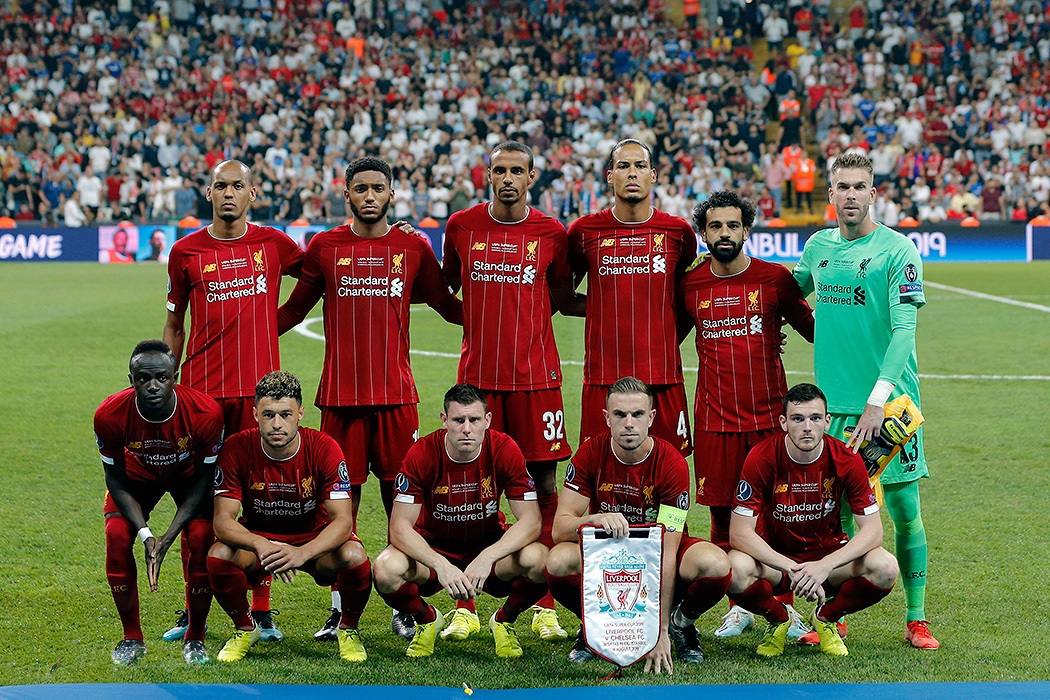
In April 2023, Premier League clubs agreed to strip gambling logos from the front of matchday shirts by the end of the 2025/26 season. The ban is voluntary. It is phased. And it ignores sleeve patches and the LED boards that ring every pitch. Eight of the 20 top-flight clubs carried a betting brand on their chest during the 2022/23 campaign. In the Championship the proportion was higher: more than half the division's 24 sides wore a gambling partner on their kit.
The UK Government's White Paper on gambling reform, published the same month, stopped short of a legislative prohibition on sports sponsorship. That left the Premier League's self-imposed agreement as the primary regulatory shift for English football's top tier. Existing front-of-shirt contracts signed before April 2023 can run their full term, so some clubs will carry betting logos until the summer of 2026. Sleeve deals and pitch-side displays are untouched, and the league has given no commitment to extend the restriction to those formats.
The decision sits inside a wider European debate. Italy outlawed all gambling advertising and sponsorship in 2019 under the Dignity Decree. Spain's Royal Decree on Advertising, effective August 2021, restricts betting logos on shirts and prohibits pitch-side promotion during sports broadcasts. England has chosen a sector-led compromise that leaves significant commercial exposure in place.

How many clubs carry gambling partners
During the 2022/23 season, eight Premier League clubs had a gambling company as their front-of-shirt backer. The Championship had a higher concentration: more than half of its 24 clubs carried betting brands on their kits. Those figures cover only the primary shirt placement. Sleeve patches, training-kit partners and stadium naming rights are not counted, so the full tally of gambling-linked commercial relationships across the two divisions is higher.
The gap between the Premier League and the Championship reflects a structural difference in club finances. Premier League clubs receive tens of millions of pounds a year from broadcast rights alone, making shirt backing a smaller share of total revenue. Championship clubs rely far more heavily on commercial income, and betting firms have been among the few sectors willing to pay the asking price. The EFL, which runs the Championship, has announced no equivalent restriction for its member clubs.
Publicly reported estimates put the combined annual value of gambling shirt deals in the Premier League and Championship at tens of millions of pounds. For some Championship clubs, the betting partner is the largest single commercial contract on the books. That financial dependence is the central argument the industry uses to resist a full legislative ban: remove the revenue, the argument runs, and smaller clubs lose a funding line they cannot easily replace.
What the Premier League ban does and does not cover
The agreement applies only to gambling brands on the front of matchday shirts. Sleeve placements, which appear on the upper arm of the kit, are excluded. LED pitch-side advertising, which rotates through dozens of brands during a televised match, is also excluded. A club that currently has a gambling sleeve partner can keep it after the 2025/26 deadline. A betting brand can still buy pitch-side boards that appear on screen for the full 90 minutes.
The phased implementation is the other detail that matters. Clubs that had signed a front-of-shirt deal before the April 2023 agreement can honour that contract until it expires, even if that takes them past the nominal 2025/26 end date. The practical effect is that some clubs will still be wearing betting logos in the 2026/27 season. The league has not said whether it will revisit the scope after that point, or whether sleeve and pitch-side deals will eventually be included.
The narrowness of the restriction matters because television coverage of Premier League matches still exposes viewers to gambling brands through sleeve logos and pitch-side boards. Campaigners argue the distinction between front-of-shirt and sleeve sponsorship is arbitrary from a public health perspective: a child watching a match sees the brand either way. The Premier League's position is that the front-of-shirt move represents a significant step and that a voluntary approach lets clubs adjust without the disruption of a sudden legislative cut-off.
The Government White Paper: no legislative ban
The UK Government's White Paper on gambling reform, published in April 2023, did not include a legislative ban on gambling sponsorship in sport. The document acknowledged concerns about the prevalence of betting advertising in football but chose not to legislate on shirt sponsorship, pitch-side advertising or any other form of sports marketing. Instead, the government said it would work with sports bodies on a voluntary basis and monitor the effectiveness of self-regulation.
Campaign groups such as The Big Step, part of the charity Gambling with Lives, called the decision a disappointment. The group, founded by families who have lost someone to gambling-related suicide, had pushed for a complete end to gambling advertising and sponsorship in football. Its argument: voluntary measures have not reduced the visibility of betting brands in the sport, and only a mandatory prohibition can protect vulnerable people from harm.
The Betting and Gaming Council welcomed the government's restraint. The council argues the sector is already heavily regulated and that a legislative ban would drive sponsorship money out of football without reducing problem gambling rates. It points to its own voluntary 'whistle-to-whistle' ban on TV advertising during live sport, introduced in 2019, as evidence the industry can self-regulate. Under that measure, gambling ads do not appear on television during the pre-match build-up, the match itself, or the post-match analysis. They still appear before and after the broadcast window and on digital platforms.
Italy: the Dignity Decree
Italy's approach is the most restrictive among major European football markets. In 2019, the government passed the Dignity Decree, which banned all gambling advertising and sponsorship across any medium. The prohibition covers shirt deals, stadium naming rights, broadcast advertising and even indirect references to betting brands. Italian clubs had to remove gambling logos from their kits immediately, and any contract signed before the decree was voided at the end of its current term.
The impact on Serie A clubs was significant. Several top Italian sides had long-standing shirt deals with gambling companies, and the sudden loss of that revenue forced them to find replacement backers from other sectors. The decree also prohibited the companies themselves from advertising on television, radio, print, online and at sporting events. It drew no distinction between front-of-shirt and other forms of sponsorship; it was a blanket prohibition.
The Italian experience is often cited by campaigners in the UK as proof that a complete ban is feasible without destroying club finances. Italian clubs did not collapse, and the league continued to attract commercial deals from non-gambling brands. Critics of the Italian model note the ban was imposed by government decree rather than agreed voluntarily, and that the transition period was short. They also point out that Italian clubs were, on average, less dependent on gambling sponsorship than English Championship clubs are today.

Spain: the Royal Decree on Advertising
Spain's Royal Decree on Advertising, effective August 2021, is less restrictive than Italy's blanket ban but still goes further than the Premier League's voluntary agreement. The decree prohibits gambling brands from appearing on sports shirts. It also bans pitch-side promotion during televised sports events, a significant restriction given that LED boards are a primary channel for betting brands to reach live audiences. The decree applies to all sports, not just football.
Spanish clubs had to renegotiate kit deals ahead of the 2021/22 season. Several La Liga clubs that had carried gambling logos were forced to find alternative backers. The decree allowed limited exceptions for newly licensed operators during a transition period, but those exceptions have now expired. The prohibition on pitch-side advertising was particularly contentious: it meant betting brands could not appear on the boards visible behind the goals during televised matches, a slot that commands premium rates.
The Spanish model sits between Italy's outright prohibition and England's narrow, voluntary approach. It removes gambling brands from the most visible locations on the shirt and the pitch, but does not ban them from other forms of sponsorship such as stadium naming rights or digital advertising. The decree was introduced by the Spanish government as part of a broader package of gambling regulation, and the industry has not challenged it successfully. La Liga clubs have adjusted, though some reported a short-term dip in commercial income.
The campaign and the industry response
The Big Step's case
The Big Step, a campaign group within Gambling with Lives, has been the most visible advocate for a complete end to gambling sponsorship in football. The group is run by people with lived experience of gambling harm, including family members of those who have died by gambling-related suicide. Its central argument: the normalisation of betting brands in football contributes to harm, particularly among young people who see gambling as a routine part of the sport. The group has called for a mandatory ban covering all forms of gambling advertising and sponsorship, not just front-of-shirt deals.
The industry defence
The Betting and Gaming Council, which represents the UK's licensed operators, defends the industry's record on responsible advertising. The council introduced the whistle-to-whistle ban on TV gambling ads during live sport in 2019, a measure it says has reduced the number of ads seen by children during matches. It argues the Premier League's voluntary shirt sponsorship ban shows the industry is willing to change without government compulsion. The council also points to the financial contribution of gambling companies to football, including sponsorship payments and the levy that funds problem gambling treatment.
Where things stand
As of April 2023, the position in English football remains a patchwork. The Premier League's front-of-shirt ban will take full effect after the 2025/26 season. The Championship has no equivalent restriction. Sleeve partners and pitch-side advertising are untouched. The UK Government has not committed to a legislative prohibition. Italy and Spain have shown that tighter restrictions are possible, but the English football authorities have chosen a narrower, slower path. Whether that changes will depend on the next government's appetite for legislation and on whether the voluntary ban is judged to have reduced the visibility of betting brands in the sport.
Key facts
- Premier League clubs with gambling front-of-shirt sponsors (2022/23): 8 out of 20
- Premier League ban agreed: April 2023
- Ban takes full effect: After 2025/26 season
- Sleeve sponsors affected?: No
- Pitch-side LED ads affected?: No
- UK Government legislative ban?: No (White Paper, April 2023)
- Italy ban: Complete ban on gambling advertising and sponsorship since 2019 (Dignity Decree)
- Spain ban: Shirt and pitch-side ad ban since August 2021 (Royal Decree on Advertising)
Gambling sponsorship regulation in three European leagues
| Market | Front-of-shirt ban | Sleeve ban | Pitch-side ad ban | Effective from |
|---|---|---|---|---|
| England (Premier League) | Yes (voluntary, phased) | No | No | 2025/26 season |
| Italy (Serie A) | Yes (legislative) | Yes | Yes | 2019 |
| Spain (La Liga) | Yes (legislative) | No | Yes | August 2021 |
Frequently asked questions
Will the Premier League ban extend to sleeve sponsors after 2026?
The league has not committed to extending the ban to sleeve sponsors or pitch-side advertising. As of April 2023, the agreement covers only front-of-shirt sponsorship.
Does the UK Government plan to introduce a legislative ban on gambling sponsorship in sport?
The April 2023 White Paper did not include a legislative ban. The government said it would monitor voluntary measures. Whether a future government will legislate is not established here.
How many Championship clubs had gambling shirt sponsors in the 2022/23 season?
More than half of the 24 Championship clubs carried gambling brands on their shirts that season. The exact number after 2023 is not covered in this article.