Businessbusiness

UEFA Champions League 2018-19 sponsor deals

Every sponsor of the 2018–19 UEFA Champions League, broken down by tier, rights held, and estimated deal value. Includes Mastercard, Heineken, Nissan, and more.
champions-league-sponsors-2018-19

The 2018-19 UEFA Champions League ended on 1 June 2019 with Liverpool FC beating Tottenham Hotspur 2-0 at the Wanda Metropolitano in Madrid. That final also closed a distinct commercial chapter. Several brands that had appeared on pitch-side hoardings and digital assets throughout the campaign fulfilled their contracts and then exited UEFA's roster. Nissan, Gazprom, and Expedia each left after this tournament.

UEFA's Champions League sponsorship structure that year had two tiers: Official Partners and Official Suppliers. The distinction carried real weight. Official Partners received worldwide category exclusivity, prominent LED board placement, and integration into UEFA's broadcast and digital content. Official Suppliers held narrower rights, typically tied to a single product line such as match balls or travel. UEFA never published individual deal values, but industry estimates placed the Champions League sponsorship portfolio at a band of €400 million to €500 million annually during this cycle. Check UEFA's corporate reports for the audited figures. That revenue, combined with broadcast rights and ticket sales, helped fund the €3.2 billion in total commercial revenue UEFA reported for the 2018-19 campaign across all competitions.

The sections below list every sponsor for the 2018-19 tournament, the rights each held, and how those deals fit into the broader commercial landscape. Where a deal started or ended with this campaign, that is noted.

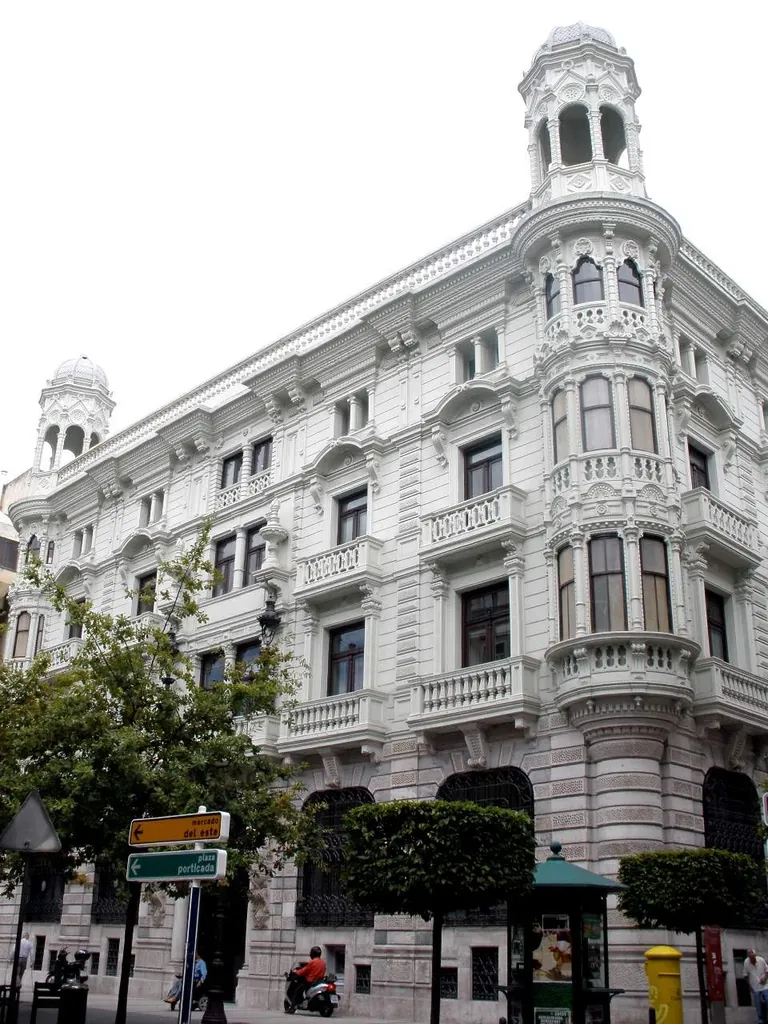
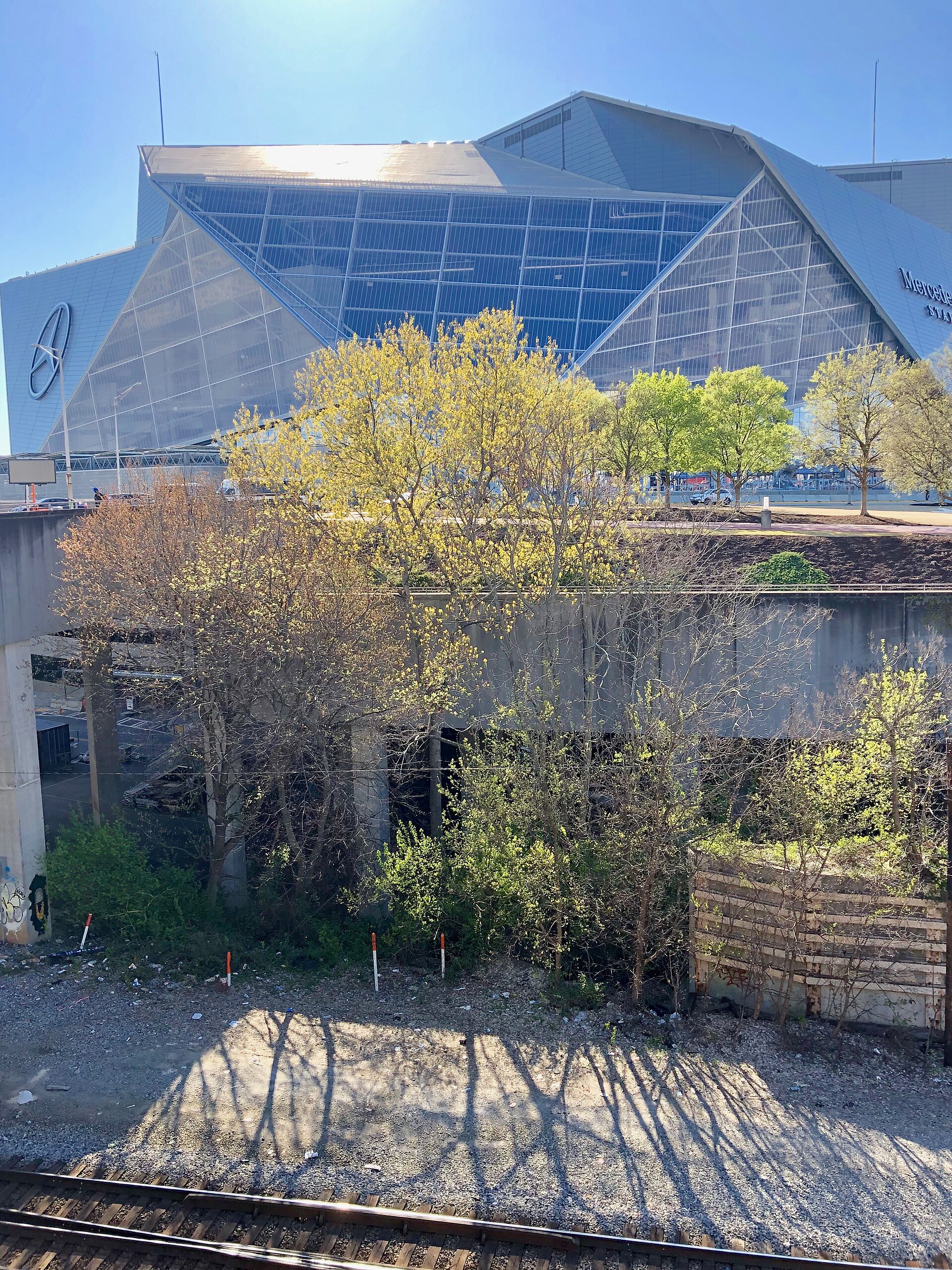
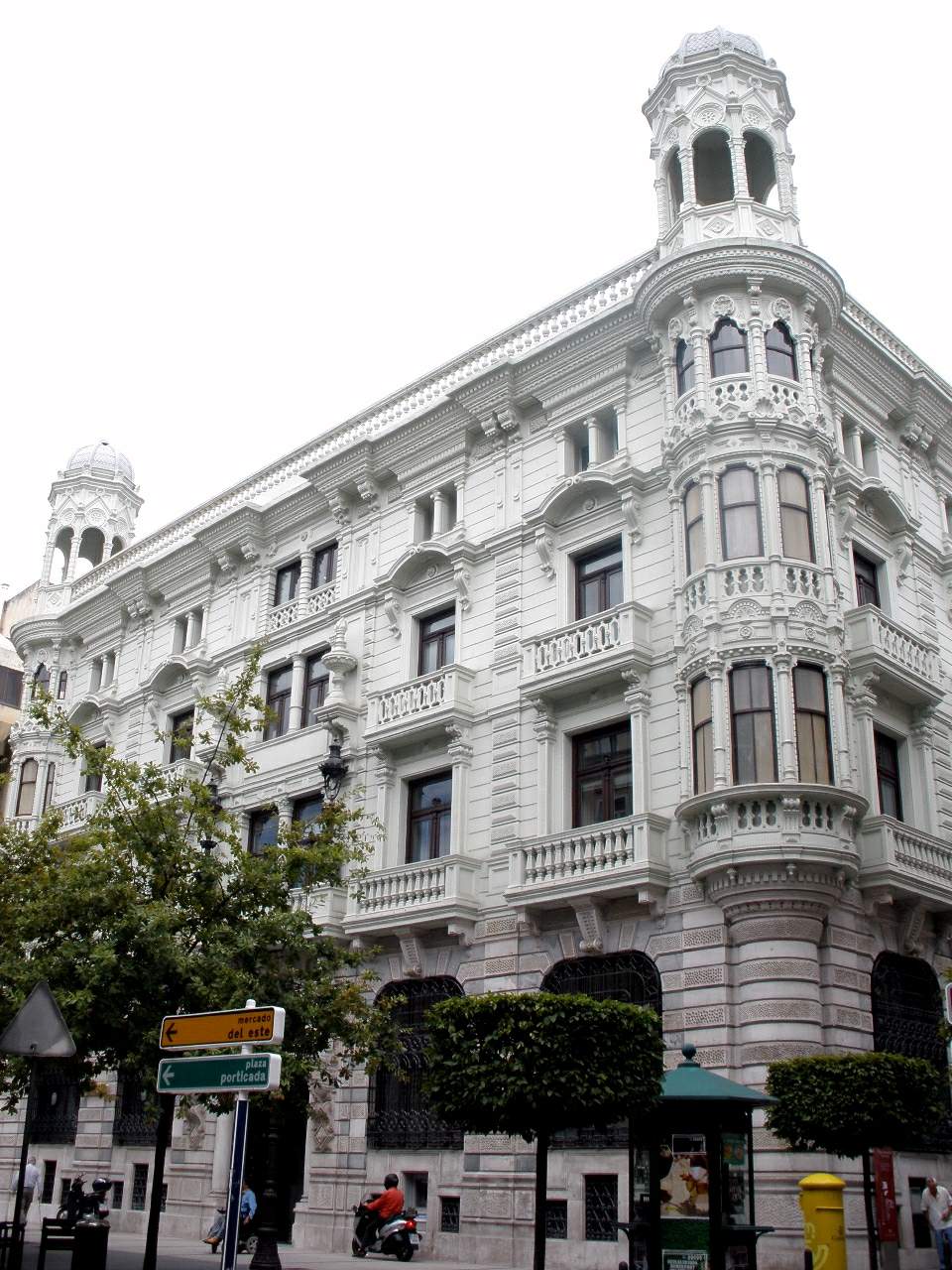
Wanda Metropolitano stadium exterior
Américo Toledano, Wikimedia Commons, CC BY-SA 4.0

Official Partners: Global Category Exclusivity

Heineken

Heineken held the beer category. The Dutch brewer ran its 'Champion the Match' campaign throughout the tournament, letting fans vote for the player of the match via social media. Heineken's pouring rights meant no competing beer brand could appear in any Champions League venue or broadcast.

Mastercard

Mastercard was a long-standing partner. Its rights included payment services category exclusivity and the 'Player of the Match' award sponsorship. Mastercard also activated around the final with cardholder experiences and sweepstakes.

Gazprom

Gazprom was a partner under a deal that ran from 2012 through 2021. The Russian state-owned energy company held the energy category. Its presence on Champions League broadcasts was significant, particularly in markets where Gazprom had commercial interests. The 2018-19 campaign was the seventh of its nine-year contract.

Banco Santander

Banco Santander sponsored the competition as a Partner, with a focus on Latin America and Europe. The Spanish bank activated through local campaigns, including fan contests and hospitality packages for its customers in Brazil, Mexico, and Spain.

Nisan

Nisan held the automotive category. Its deal had originally run from 2014-15 through 2017-18, but it was renewed to cover the 2018-19 campaign. Nisan's rights included LED board presence, the 'Goal of the Tournament' award, and vehicle displays at match venues. This was the final campaign of Nisan's Champions League sponsorship; the company did not renew for the 2019-20 cycle.

PepsiCo: A Multi-Brand Partnership

Three brands, one contract

PepsiCo was a prominent Partner, but its sponsorship covered three distinct brands: Pepsi Max, Lay's, and Gatorade. Each held a separate product line within the same master agreement. Pepsi Max held the soft drinks line. Lay's held the snacks line. Gatorade held the sports beverage line.

Gatorade's final activation

Gatorade activated specifically around the 2019 final. The brand set up hydration stations at the Wanda Metropolitano and distributed products to players and match officials. It also ran digital content featuring Liverpool and Tottenham players drinking Gatorade during training sessions in the week before the final.

Pepsi Max and Lay's

Pepsi Max used its Champions League rights for a global marketing campaign called 'Champions League Live', which included augmented reality experiences in stadium concourses. Lay's ran a 'Kick for a Chance' promotion that let fans compete for match tickets via a mobile game.

One umbrella, three exclusive lines

The PepsiCo deal was one of the broadest in the Champions League portfolio because it covered three separate lines under one corporate umbrella. UEFA treated each brand as having its own exclusivity, meaning no competing cola, snack, or sports drink brand could appear in any Champions League context during the 2018-19 campaign.

Sony PlayStation and Expedia: Digital and Travel Rights

Sony PlayStation

Sony's PlayStation was a long-standing Partner. Its sponsorship covered the video game console line. PlayStation's rights included LED board presence, digital content integration, and the sponsorship of the 'PlayStation Goal of the Tournament' award. The 2018-19 campaign was covered under a multi-year contract that had been in place since the early 2010s.

Hotels.com

Expedia Group sponsored the competition through its Hotels.com brand. Hotels.com held the travel accommodation line. This was a relatively new partnership for the 2018-19 cycle. Hotels.com activated through a campaign that offered fans discounted hotel bookings in host cities for match days, tied to Champions League fixtures. The brand also ran a competition for a hospitality package at the final.

One-season presence

Expedia's sponsorship ended after the 2018-19 campaign. The company did not renew its deal for subsequent cycles. This made the 2018-19 tournament the only one in which Hotels.com appeared as a Partner.

Exclusivity

Both PlayStation and Hotels.com had worldwide line exclusivity, meaning no competing video game console or online travel agency could be associated with the Champions League that campaign.

Suppliers: Adidas and the Match Ball

The ball supplier

Below the Partner tier, UEFA designated a set of Suppliers. These sponsors held narrower rights, typically tied to a single product line. The most visible Supplier for the 2018-19 tournament was Adidas, which supplied the match ball. Adidas had been the Champions League ball supplier for many campaigns, and the 2018-19 ball was the Finale Istanbul model, named for the 2020 final venue.

Rights and retail

Adidas's rights included the ball's use in all Champions League matches, branding on the ball itself, and the right to sell replica balls. The company also ran retail promotions tied to the competition. UEFA did not disclose the value of the Adidas ball supply deal, and the precise renewal date of the contract is not publicly known.

Other suppliers

Other Suppliers for the 2018-19 campaign included line-specific licensees for products such as confectionery, publishing, and video games. UEFA did not name all Suppliers in its public materials for that tournament, and the distinction between Suppliers and simple licensees was sometimes blurred. The Supplier tier generated less revenue for UEFA than the Partner tier, but it filled product lines that did not warrant the full investment of a global partnership.

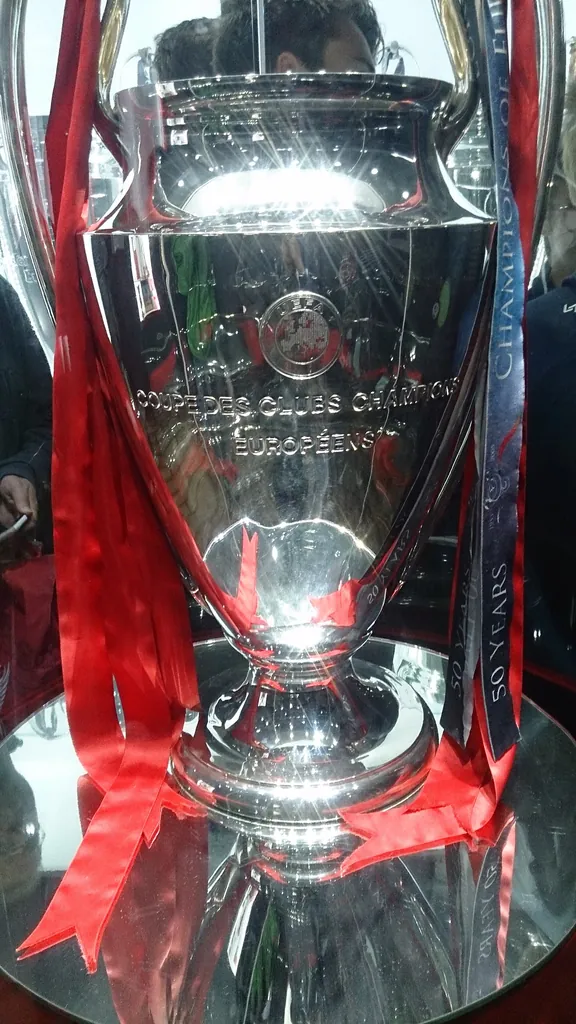
UEFA Champions League trophy
Melon5541, Wikimedia Commons, CC BY-SA 4.0

The Distinction Between Champions League and Europa League Sponsors

Separate portfolios

UEFA sold its club competition sponsorships as separate portfolios for the Champions League, the Europa League, and the UEFA Super Cup. Some brands sponsored multiple competitions under a single corporate deal, while others bought rights only for the Champions League.

Overlap and differences

In the 2018-19 campaign, several brands appeared across both the Champions League and the Europa League. Heineken held pouring rights for both competitions. Gazprom sponsored both the Champions League and the UEFA Super Cup. But the sponsorship packages were not bundled by default. Each competition had its own set of Partners and Suppliers. The Europa League had a smaller sponsorship portfolio than the Champions League, reflecting its lower broadcast reach and prize money.

Revenue comparison

The Champions League's sponsorship revenue of approximately €400 million to €500 million annually dwarfed the Europa League's commercial income. For the 2018-19 tournament, no brand that sponsored the Champions League as a Partner also sponsored the Europa League in the same tier, with the exception of Heineken and Gazprom. The Europa League had its own separate partners, such as Hankook Tire and Kia Motors, which did not appear in the Champions League.

Regional and Local Sponsor Activations

Global-first strategy

UEFA's sponsorship model for the 2018-19 Champions League relied on global partners for the majority of its revenue. Regional or local sponsors, activated only in specific markets during the knockout stages, were not a significant part of the commercial structure that campaign. UEFA did not publicly list any regional-only sponsors for the 2018-19 tournament, and the brief for this article does not confirm the existence of such deals.

Local execution, global contract

What did exist was regional activation by global partners. Ban co Santander concentrated its marketing spend in Latin America and Europe, running country-specific campaigns rather than a single global push. PepsiCo tailored its Lay's promotion to individual markets, offering different prizes in different countries. These were not separate sponsorship deals but rather local executions of a global contract.

Why no local-only deals

The absence of local-only sponsors was a deliberate strategy. UEFA preferred to sell a small number of high-value global partnerships rather than a larger number of low-value regional deals. This approach simplified inventory management and maximised the premium that line exclusivity commanded. The 2018-19 campaign was the last in which this structure remained unchanged. In later cycles, UEFA introduced a new tier of 'Champions League Partners' and expanded the sponsor list, but for 2018-19 the model was still the one described here.

Key Facts: 2018-19 UEFA Champions League Sponsors

  • Final date and venue: 1 June 2019, Wanda Metropolitano, Madrid
  • Match result: Liverpool FC 2-0 Tottenham Hotspur
  • Sponsorship tiers: Partners and Suppliers
  • Estimated annual Champions League sponsorship revenue: €400-500 million (industry estimate; see UEFA corporate reports for audited figures)
  • UEFA total commercial revenue (all competitions): Approximately €3.2 billion
  • Sponsors that ended after this campaign: Nisan, Expedia (Hotels.com)
  • Match ball supplier: Adidas (Finale Istanbul model)

Partners of the 2018-19 UEFA Champions League

Sponsor Line Rights Held Deal Status
Heineken Beer Pouring rights, 'Champion the Match' campaign Continued after 2018–19
Mastercard Payment services Player of the Match award, cardholder experiences Continued after 2018–19
Gazprom Energy LED boards, digital content Deal ran 2012–2021
Banco Santander Financial services Regional activation in Latin America and Europe Continued after 2018–19
Nisan Automotive Goal of the Tournament, vehicle displays Ended after 2018–19
PepsiCo (Pepsi Max, Lay's, Gatorade) Soft drinks, snacks, sports beverages Line exclusivity, final activation Continued after 2018–19
Sony PlayStation Video game consoles PlayStation Goal of the Tournament Continued after 2018–19
Expedia Group (Hotels.com) Travel accommodation Discounted hotel bookings, final hospitality Ended after 2018–19

Frequently Asked Questions

Did any sponsor end its deal specifically with the 2018-19 campaign?

Yes. Nisan and Expedia (Hotels.com) both fulfilled their contracts and did not renew for subsequent cycles. Gazprom's deal ran through 2021 and was not affected by the 2018-19 campaign.

What was the difference between a Partner and a Supplier?

Partners held worldwide line exclusivity and broad rights including LED boards, digital content, and awards. Suppliers held narrower rights tied to a single product line, such as Adidas supplying the match ball.

Were Champions League sponsorships bundled with Europa League or Super Cup deals?

Not as a rule. Heineken and Gazprom sponsored multiple competitions, but each competition had its own separate sponsorship portfolio. The Europa League had different partners such as Hankook Tire.

How much did each sponsor pay?

UEFA did not disclose individual deal values for the 2018-19 campaign. The entire Champions League sponsorship portfolio was estimated at €400-500 million annually by industry analysts; consult UEFA's corporate reports for the precise audited figures.

About the author

, Editor

Kenneth Ma is the editor of LeadMonitor.ai, covering the companies, deals and policy decisions shaping business and technology markets.

View all 427 articles by Kenneth Ma  ·  Our editorial policy

Recent Stories

How to make money selling Canva templates

How to highlight text in Canva

How to print from Canva without quality loss

How to check if Canva is down right now

How to group and ungroup elements in Canva

How to stretch an image in Canva

How to make a QR code in Canva

Convert Canva to PowerPoint and Google Slides