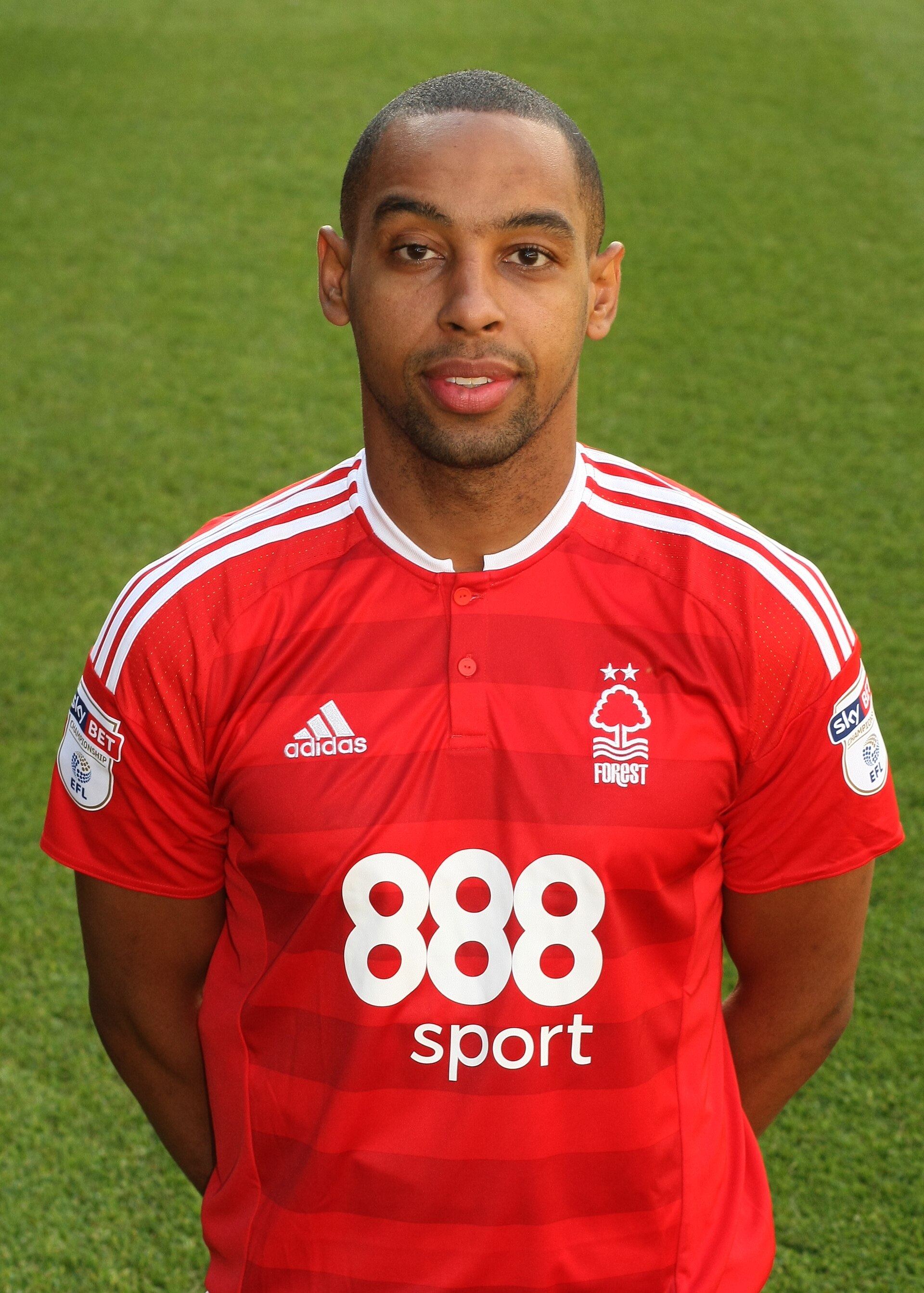
Dexter Blackstock retired from professional football in 2017 after 15 years as a striker for Southampton, Queens Park Rangers, and Nottingham Forest. Within months, he founded Sport Business and Education, a franchise operation that sells former athletes into established small and medium-sized enterprises instead of asking them to launch startups. By 2019 the venture was recruiting operators and had secured partnerships with commercial education providers to deliver business instruction.
The model addresses a documented pattern. Athletes who start businesses from scratch fail at rates that exceed those of general entrepreneurs, partly because they lack operational experience outside sport. Blackstock offered a different path: instead of building a concept and finding customers, a former player could purchase a license to run an existing SME under its brand, with coaching and support from the franchisor. He stated publicly that the design was a direct response to the high failure rate of athlete-founded startups. The business operated as Sport Business in 2019. Whether it has since rebranded or expanded is not established here. The sections below trace the timeline, the franchise mechanics, the disclosed funding, the partnerships, and the early growth figures through 2021.

Retirement and the Immediate Pivot to Business
Blackstock played his last professional match in 2017. He had spent the previous decade at Nottingham Forest, with earlier spells at Southampton and Queens Park Rangers. His career total placed him among the reliable second-tier strikers of his era, but he was not a celebrity name that generates automatic commercial opportunities after retirement. That mattered for his model. If he could build a franchise system that worked for mid-career players who lacked brand equity, it would scale further than a system built around one famous face.
The transition was deliberate. Blackstock did not drift into property development or media commentary, the two most common post-football careers. He identified a structural problem in the athlete entrepreneurship market and built a business that claimed to solve it. He founded Sport Business and Education within months of his last game, using the payout from his playing career as seed capital rather than seeking outside investors at the outset.
The Bridge-to-Business Franchise Model
How the mechanism works
The core mechanism was the franchise. An athlete-investor paid a fee to acquire the right to operate a business under an established brand. The franchisor provided the operating playbook, the supplier relationships, the marketing materials, and the coaching. The operator provided the capital and the labour. This arrangement is ordinary in fast food and retail, but Blackstock adapted it for a specific customer: the professional athlete who had money and time but no business experience.
Redistributing risk
He called it a bridge-to-business model. The bridge was the franchise structure itself. Instead of learning accounting, supply chain management, and customer acquisition from scratch, the athlete walked into a system where those functions had already been solved. The risk was not eliminated but it was redistributed. The operator bore the cost of a bad location or poor local execution. The franchisor bore the cost of a flawed operating model. The athlete bore neither if the model was proven and the location was sound.
A critique of athlete-entrepreneur hype
Blackstock positioned the model as a direct response to the high failure rate of athlete-founded startups. He stated publicly that athletes too often launch businesses without understanding the market or the operational demands, and that the franchise route gave them a higher probability of survival. The statement was a criticism of the athlete-entrepreneur hype that celebrates launches without acknowledging how many fail in year two.
Recruiting Franchisees and Building the Network
The first cohort
By 2019, Sport Business had begun recruiting operators. The exact number signed in that first year was not disclosed, but the recruitment effort was part of a broader push to establish a network of athlete-operated SMEs across the United Kingdom. The operators were drawn primarily from Blackstock's own network of current and former footballers, though the model was open to athletes from other sports.
Vetting and commitment
The recruitment process involved a vetting stage. Blackstock and his team assessed whether a prospective operator had the capital to buy in and the commitment to run the business day to day. The model depended on people who would work the business, not just write a cheque and hire a manager. That distinction mattered because the franchise value came from the athlete's involvement in local operations, including customer-facing roles and community engagement.
Undisclosed economics
The franchise fee was not disclosed publicly. Neither were the royalty rates or the average unit economics. The business operated as a private company and did not file detailed financial reports in the public domain. What is known is that the early operators were acquired through word of mouth and personal referrals, not through broad advertising or a dedicated sales team.
Partnerships with Commercial Education Providers
Classroom meets franchise
Sport Business and Education secured partnerships with commercial education providers to deliver business instruction to its operators. The partnerships were a distinguishing feature of the model. Most franchise systems provide operational coaching but do not offer formal business education. Blackstock added a classroom component that taught operators the principles of accounting, marketing, and management, not just the specific procedures of the franchise brand.
Practical, short-cycle curriculum
The education partners were commercial entities, not universities or accredited degree-granting institutions. The instruction was practical and short-cycle, designed to be completed in weeks rather than semesters. The curriculum covered cash flow management, basic financial statements, customer acquisition strategy, and employment law. For athletes who had never prepared a profit and loss statement, the coursework was a prerequisite for taking over a business.
Credential and marketing value
The partnerships also served a marketing purpose. By associating the franchise with formal business education, Blackstock could position Sport Business as more than a licensing scheme. It was a professional development programme that gave athletes a credential they could use outside the franchise system if they later sold their unit and started another venture. Whether the education partners were accredited or the coursework carried any recognised qualification is not established here.
Investment Rounds and External Funding
Self-funded start
Blackstock funded the early stages of Sport Business from his own playing career savings. He did not disclose the amount of that initial investment, and the firm has not confirmed any external funding round prior to 2021. The absence of disclosed venture capital or angel investment is itself notable. Most athlete-founded businesses seek outside capital early, often by trading equity for credibility and cash. Blackstock did not appear to follow that path.
Capital efficiency of the franchise structure
If the business was entirely self-funded in its first two years, that would align with the franchise model's capital efficiency. A franchisor collects fees from operators before incurring the major costs of building out the network. The operators, not the franchisor, pay for the real estate, the equipment, and the working capital. Blackstock's own investment would have been limited to legal fees, marketing materials, and the cost of developing the instruction programme.
No public valuation
No external valuation of Sport Business has been published. The firm did not announce a valuation in a press release, nor did it appear in a third-party database of private company valuations. The equity stake held by Blackstock or any co-founder is not known. Whether the firm was acquired or Blackstock remains the majority owner as of 2021 is not established here. The status of the business beyond 2021 is unknown.
Revenue and Franchisee Growth in the First Three Years
Missing top-line numbers
The firm did not publish revenue figures for any financial year. The growth narrative rests on the number of operators recruited and the geographic spread of their operations, not on a disclosed top-line number. By 2021, the franchise network had not demonstrated that it could scale beyond the initial cohort of athlete-investors. Whether the model achieved the critical mass needed for sustainable growth is not established here.
No public disclosure documents
Franchise systems typically disclose system-wide sales, average unit volumes, and operator turnover in their franchise disclosure documents. Sport Business, as a private company not registered in a jurisdiction that requires such disclosure, did not produce those documents publicly. The absence of audited numbers makes it difficult to assess the financial health of the network or the returns earned by the early operators.
Measuring survival, not revenue
Blackstock's public statements focused on the concept and the mission rather than on operational metrics. He argued that the model's success should be measured by operator survival rates and by the number of athletes who stayed in business after three years, not by total revenue. That argument is reasonable as a matter of franchise theory. In practice, without published data, it is impossible to verify that survival rates were higher than the startup failure rates the model was designed to avoid.

Corporate Partners and Blue-Chip Validation
No institutional endorsements
Sport Business and Education secured partnerships with commercial education providers, as noted above, but the firm did not announce any corporate sponsors or blue-chip clients that would have validated the model to a wider audience. No bank, accounting firm, or professional services company publicly endorsed the franchise network. No professional sports league or players' association announced a formal partnership.
Why validation matters
The absence of such validation is not fatal. Many successful franchise systems grow for years without a corporate umbrella. But for a business that recruits athlete-investors on the promise of higher survival rates, a partnership with a major financial institution or a sports governing body would have provided third-party credibility. Without it, the operators relied on Blackstock's personal reputation and the testimonials of the first cohort.
Unknown pursuit
Whether the firm pursued such partnerships and failed to close them, or chose to remain independent of corporate entanglements, is unknown. The brief does not name any partner beyond the commercial education providers. The model's credibility therefore rests on its internal logic and on the track record of the operators who bought in, a track record that was not made public through 2021.
Ownership and Exit Status
Unanswered questions
Whether Blackstock remains the majority owner of Sport Business and Education is not established here. The firm has not announced a sale, a management buyout, or a change in control. No press release or regulatory filing confirms that Blackstock has exited the business or taken on a different role. The knowledge in this article runs to October 2021, and the position since that date is not known.
Franchise exits versus startup exits
If Blackstock still controls the firm, the model has not produced a liquidity event for its founder. That is common in franchise businesses, which generate ongoing royalty income rather than a single large exit. If he has sold the business, the terms and the buyer remain undisclosed. The absence of public information on ownership means the case study is incomplete. A full assessment of the bridge-to-business model would require knowing whether the founder himself continued to operate it or transferred it to new owners who changed the strategy.
The lesson for operators and investors
For operators, investors, and policy people who read this page, the lesson is that athlete-led franchise businesses can be built without venture capital, without corporate partnerships, and without public financial disclosure. Whether that is a strength or a weakness depends on the outcome for the operators. That outcome, as of October 2021, had not been published.
Key Facts
- Player: Dexter Blackstock, former striker for Southampton, Queens Park Rangers, and Nottingham Forest
- Retirement: 2017
- Business founded: Sport Business and Education, shortly after retirement in 2017
- Model: Bridge-to-business franchise, enabling athletes to buy into established SME franchises
- First franchisee recruitment: 2019
- Partners: Commercial education providers for business training
- Public funding rounds: None disclosed through 2021
- Public valuation: None disclosed through 2021
Timeline: Dexter Blackstock's Transition to Business
| Year | Event |
|---|---|
| 2017 | Retired from professional football |
| 2017 | Founded Sport Business and Education |
| 2019 | Business named Sport Business; began recruiting franchisees |
| 2021 | Last known public information; no further updates established |
Frequently Asked Questions
What is the bridge-to-business model?
It is a franchise model that allows former athletes to buy into established small and medium-sized enterprises instead of starting a business from scratch. The franchisor provides the operating system, training, and support, while the athlete provides the capital and labor.
Did Dexter Blackstock raise outside investment for Sport Business?
No external funding round has been publicly disclosed. Blackstock appears to have funded the early stages himself from his playing career savings.
How many franchisees did Sport Business recruit?
The exact number has not been published. The company began recruiting franchisees in 2019, but no system-wide count was disclosed through October 2021.
Does the company still operate under the name Sport Business?
It is not established here whether the company has rebranded or expanded beyond that name. The last known public references used the name Sport Business.