In March 2011, the Fukushima Daiichi accident in Japan triggered a chain of events that ended Germany's nuclear power program. Berlin announced an accelerated phase-out that would close all remaining units by 2022. The move reversed a 2010 policy that had extended plant lifetimes. Eight units were shut down immediately. The last three, Isar 2, Emsland and Neckarwestheim 2, finally went offline on April 15, 2023.
Foratom, the Brussels-based trade association for the European nuclear sector, opposed the move from the start. The group argued that Germany was making a strategic error that would harm energy security, increase carbon emissions and damage the supply chain across the continent. Foratom's lobbying did not reverse the outcome. The phase-out became a permanent feature of German energy policy and a lasting point of divergence within the European Union.
Germany's accelerated exit from atomic power was a political decision, not a technical one. Foratom's case, built on emissions data and supply-chain economics, never found a receptive audience in Berlin.

The Political Context of the Phase-Out
The Fukushima accident created a political crisis in Germany. Chancellor Angela Merkel's government, which had only months earlier extended the operating lives of the country's plants, performed a rapid policy reversal. The phase-out law passed in June 2011. It mandated the immediate permanent shutdown of the eight oldest units and set a final deadline of 2022 for the remaining nine.
Domestic anti-nuclear sentiment, strong for decades, drove the move. The Green Party, then in opposition, had made phase-out a central issue. Merkel's Christian Democratic Union calculated that supporting the shutdown would neutralize the issue ahead of regional elections. The electoral logic was clear. The technical and economic arguments that Foratom would later advance had no audience in the Bundestag at that moment.
Foratom's Core Argument: Carbon Emissions Would Rise
Foratom's central claim was that shutting down nuclear plants would make it harder for Germany and the European Union to meet carbon reduction targets. Nuclear power in 2011 supplied about 22 percent of German electricity with zero direct carbon emissions. Foratom argued that replacing that capacity with fossil fuels, particularly coal and natural gas, would increase emissions significantly.
The association pointed to EU climate goals adopted in 2009, which called for a 20 percent reduction in greenhouse gas emissions by 2020 compared to 1990 levels, and an 80 to 95 percent reduction by 2050. Foratom's position was that abandoning a large source of low-carbon electricity was incompatible with those targets. The group also noted that renewable sources like wind and solar were not yet capable of filling the gap reliably, especially during periods of low wind or sunlight.
Data from the years following the phase-out partly validated this concern. Germany's power-sector carbon emissions did not drop as fast as those of other European countries that kept nuclear plants running. The country burned more coal to compensate for lost capacity, particularly in the winter months. Foratom's warning was prescient, but it did not change the outcome in Berlin.
Impact on the European Nuclear Supply Chain
Foratom also warned that the German phase-out would damage the European nuclear supply chain. The association represented companies that designed units, manufactured components and provided maintenance services. Germany was home to major suppliers like Siemens and E.On. Its exit from atomic power removed a significant market for the sector.
The argument was that losing a large domestic market would reduce investment in research and development, shrink the pool of skilled workers and make it harder for European suppliers to compete globally. Foratom pointed out that countries like Russia and China were expanding their nuclear programs and that European firms would lose ground if they could not point to a stable home market.
The phase-out did lead to a contraction of the German supply chain. Companies like Siemens exited the nuclear business entirely. The loss of expertise and manufacturing capacity had knock-on effects for projects elsewhere in Europe, including in countries that were still building new units. Foratom's warnings about supply-chain erosion proved accurate, but the association could not stop the momentum that drove the phase-out.
The EU Stress Tests and the German Position
In March 2011, the European Council mandated EU-wide nuclear safety stress tests. These tests were designed to assess whether plants could withstand extreme events like earthquakes, floods and aircraft impacts. Foratom supported the stress tests and argued that they were the proper forum for evaluating safety, rather than a blanket shutdown.
The association's position was that if the stress tests showed German units were safe, there was no technical justification for closing them early. Foratom believed that the tests would vindicate the sector and provide a fact-based counterweight to the reaction after Fukushima.
The stress tests were completed in 2012. They identified areas for improvement at some sites but did not recommend shutting down any units. Foratom used this result to argue that the German phase-out was politically motivated rather than based on safety concerns. The government in Berlin had already committed to the phase-out and did not revisit its stance in light of the stress test findings. The tests became another example of the gap between technical analysis and political reality.

Consequences for Neighboring Countries
Grid Stability and Cross-Border Imports
Germany's phase-out had effects beyond its borders. The country remained connected to the European electricity grid, and its energy policy influenced markets in neighboring states. Foratom argued that the phase-out could destabilize regional energy supplies and increase reliance on electricity imports from countries like France, which generated most of its power from nuclear units.
Fear of a Domino Effect
The association also warned that the German move could encourage anti-nuclear movements in other European countries. If Germany, Europe's largest economy, could phase out atomic power, other governments might face pressure to do the same. Foratom feared a domino effect that would shrink the European sector further.
The Reality: A Divided Europe
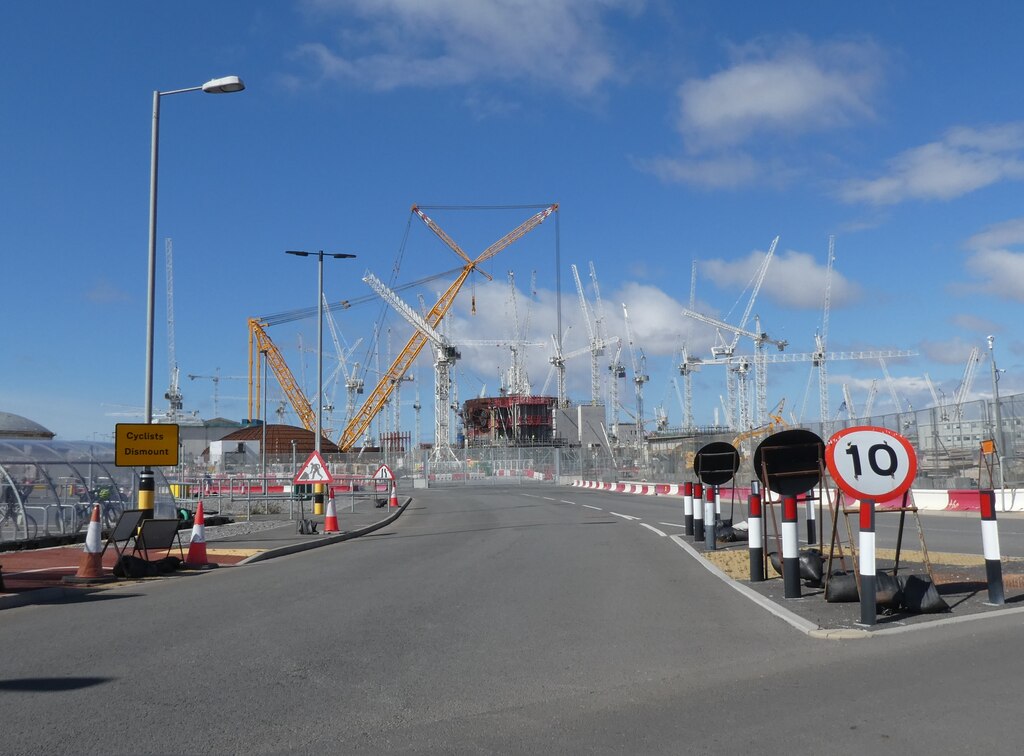
In practice, the domino effect did not materialize. France maintained its fleet. The United Kingdom continued with new build projects like Hinkley Point C. Poland and the Czech Republic pursued nuclear expansion as part of their decarbonization strategies. But Germany's exit did create tensions within the European Union over energy policy, particularly around the classification of nuclear power as a sustainable investment under the EU's taxonomy regulation. The phase-out became a symbol of the divide between pro-nuclear and anti-nuclear member states.
Why Foratom's Arguments Did Not Prevail
The Weight of Public Opinion
Foratom's arguments were technically sound but irrelevant in Germany. The phase-out was driven by public opinion and electoral strategy, not by a technical evaluation of plant safety or energy system impacts. The Fukushima disaster created a window in which the government could reverse its previous policy without losing credibility. Foratom had no mechanism to counter that reality.
An Industry That Had Already Lost the Debate
The association's membership included companies that stood to lose from the phase-out, but those companies were also operating in a national environment where atomic energy had been controversial for decades. The sector had already lost the public debate long before Fukushima. The accident simply provided the final push.
The Limits of Lobbying
Foratom's efforts did not change the outcome. The last three German units shut down on April 15, 2023, as planned. The phase-out remains a defining point of divergence in EU energy policy. Foratom continues to advocate for nuclear energy in Europe, but the German case shows the limits of sector arguments when they collide with political will.
Key Facts
- Phase-out law passed: June 2011
- Immediate shutdowns: 8 units in 2011
- Final closure: April 15, 2023 (Isar 2, Emsland, Neckarwestheim 2)
- Foratom's role: Brussels-based trade association for the European nuclear sector
- Trigger event: Fukushima Daiichi accident, March 2011
- EU stress tests mandated: March 2011, completed 2012
- Outcome: Foratom's lobbying did not reverse the phase-out
Frequently Asked Questions
What was Foratom's main argument against the German phase-out?
Foratom argued that shutting down nuclear plants would increase carbon emissions, damage the European nuclear supply chain and undermine EU climate targets.
Did the EU stress tests change Germany's decision?
No. The stress tests, completed in 2012, did not recommend shutting down any units, but Germany did not revisit its phase-out policy.
When did Germany's last nuclear plants close?
The last three units, Isar 2, Emsland and Neckarwestheim 2, shut down on April 15, 2023.
Did other European countries follow Germany's lead?
No. France, the UK, Poland and the Czech Republic maintained or expanded their nuclear programs. The phase-out did not trigger a broader European shift away from atomic power.