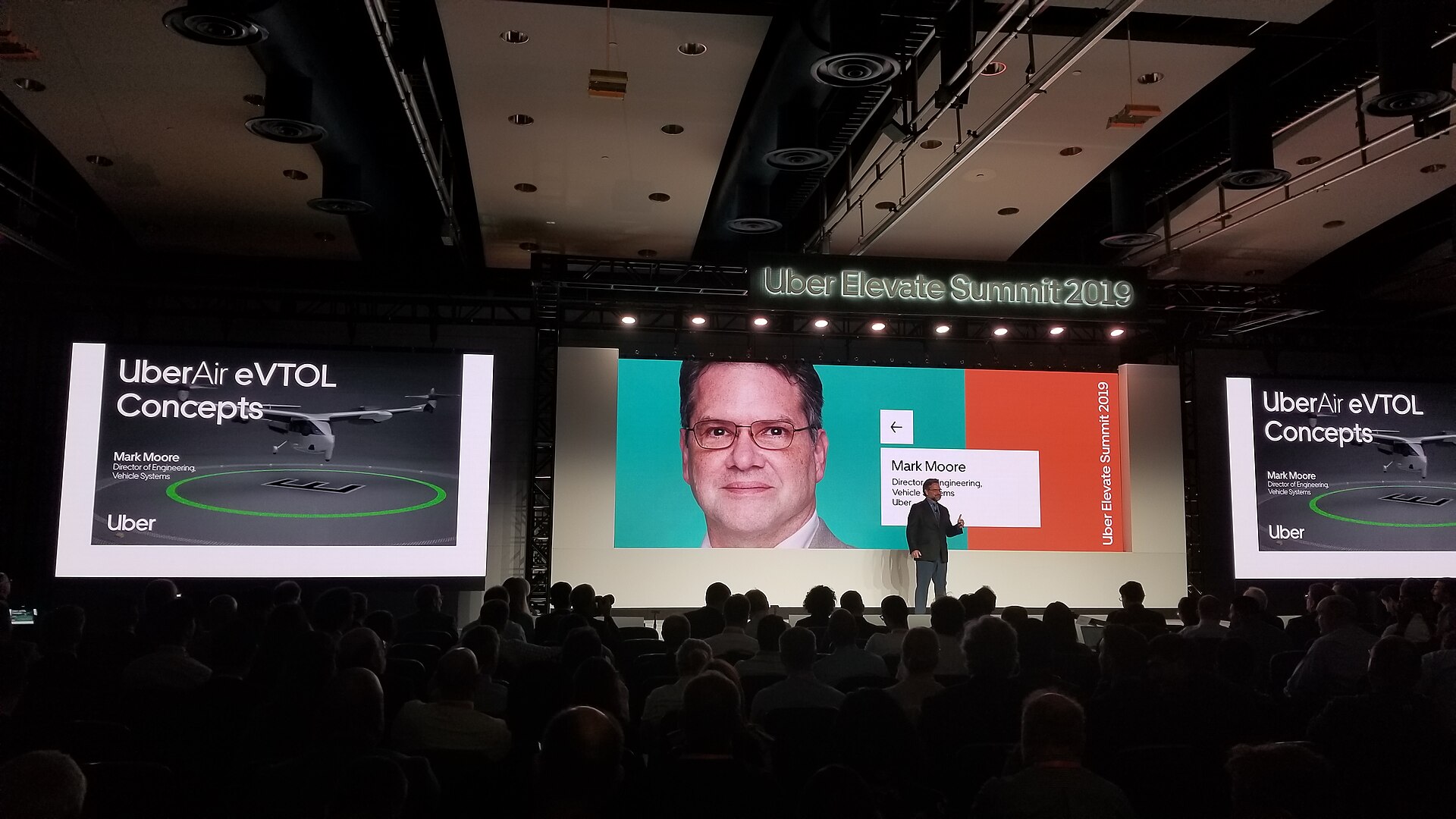
In December 2020, Uber sold its entire Elevate air taxi division, including all partnerships and technology assets, to Joby Aviation. The sale ended Uber's direct involvement in flying car work and terminated or absorbed its collaboration with Rolls-Royce Holdings plc, the British aerospace and engineering firm contracted to design an electric propulsion system for Uber's planned fleet of vertical take-off and landing (VTOL) craft.
Uber had announced its Elevate urban air mobility initiative in 2016. The program aimed to begin demonstration flights in 2020 and launch commercial operations in 2023. As part of that vision, Uber partnered with multiple aerospace manufacturers to develop vehicles. Rolls-Royce was brought on to design and build the electric propulsion system that would power those craft.
The collaboration ended before any full-scale prototype integrating Rolls-Royce technology was built or flown by Uber. Uber abandoned its in-house flying car program to focus on its core ride-hailing and delivery businesses ahead of its 2019 IPO and subsequent profitability targets.

What Rolls-Royce Was Building for Uber
Rolls-Royce was contracted to develop the electric propulsion system for Uber's planned VTOL vehicles. This was not a complete machine. Rolls-Royce was responsible for the powertrain: the motors, power electronics, and thermal management systems that would convert electrical energy into thrust for vertical take-off, hovering, and forward flight.
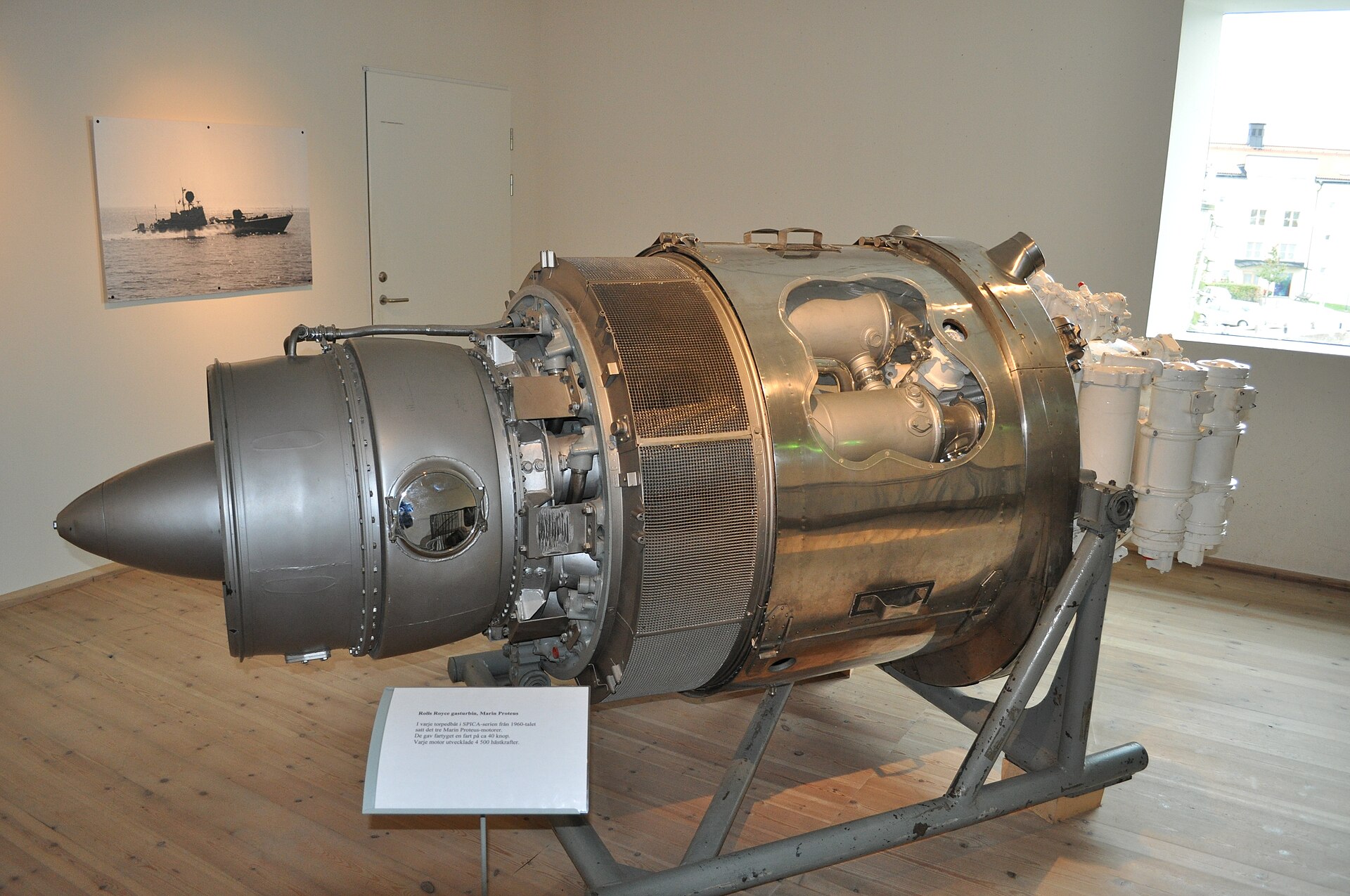
The propulsion system was intended to be fully battery-powered, not hybrid. Rolls-Royce had previously developed the M250 hybrid-electric propulsion system demonstrator, a turboshaft engine adapted to run partly on electricity. That demonstrator was a separate project. The Uber system was to be a clean-sheet electric design, though Rolls-Royce's experience with the M250 informed its approach to power density and thermal management.
Uber did not disclose specific power output targets, megawatt ratings, or performance specifications for the Rolls-Royce system. The firms announced the tie-up and described the scope of work. They did not release engineering targets such as thrust-to-weight ratio, cruise speed, or range. The absence of published technical targets was consistent with the early-stage nature of the collaboration.
The Timeline That Never Arrived
Uber's Elevate program set two public deadlines. Demonstration flights were to begin in 2020. Commercial operations were to launch in 2023, with initial routes in select cities including Dallas-Fort Worth, Los Angeles, and an international city that was never confirmed.
Neither deadline was met. The Rolls-Royce tie-up was announced after the 2016 Elevate launch but before the 2020 demonstration target. By 2020, no Uber-branded VTOL craft had flown with any propulsion system, let alone one from Rolls-Royce. The COVID-19 pandemic disrupted aviation timelines broadly, but Uber's decision to sell Elevate was driven by corporate strategy rather than technical delays.
Uber had gone public in May 2019. The firm faced pressure to show a path to profitability. Its core ride-hailing business was losing money, and Elevate represented a long-term investment with no near-term revenue. Selling the division to Joby Aviation, which had been developing its own eVTOL craft since 2009, allowed Uber to exit without writing off the investment entirely.
Elevate as an Ecosystem, Not a Manufacturer
Uber Elevate was not a vehicle manufacturer. It was a platform business that aimed to assemble a network of partners: vehicle developers, real estate owners for vertiports, regulators, and battery suppliers. Uber described its role as the orchestrator of an urban air mobility system, similar to how it operated its ride-hailing network without owning cars.
Rolls-Royce was one of several propulsion partners. Uber also worked with vehicle manufacturers such as Aurora Flight Sciences (a Boeing subsidiary), Pipistrel (a Slovenian light aircraft maker), and Jaunt Air Mobility. Each partner was developing a different vehicle concept. Rolls-Royce's role was to supply the propulsion system that could be adapted across multiple airframes.
This multi-partner strategy gave Uber optionality but also complexity. Each vehicle design required a different propulsion configuration. Rolls-Royce was designing a system that would need to work with multiple airframes, certification paths, and manufacturing timelines. The coordination challenge was substantial even before the sale.

Financial Terms Were Not Disclosed
Uber and Rolls-Royce did not disclose any financial terms for their arrangement. No contract value, investment figure, or payment milestone was made public. This was typical for early-stage technology agreements in aerospace, where the scope of work often changes as the design matures.
The absence of disclosed financials makes it difficult to assess the scale of Rolls-Royce's commitment. The firm was developing a propulsion system for a market that did not yet exist, for a customer that had never built a production vehicle, under a timeline that was already slipping. The engineering investment was real. Its size relative to Rolls-Royce's broader business was not stated.
For comparison, Rolls-Royce's M250 hybrid-electric demonstrator was a known program with published specifications. The Uber-specific system was a separate effort, and no comparable technical or financial data was released.
The Regulatory Gap That Never Closed
Certification was years away
When the tie-up was announced, Uber and Rolls-Royce acknowledged that certification of a VTOL craft with a novel electric propulsion system would be a multi-year process. No specific regulator or certification body was named in the context of this arrangement, but the broader eVTOL industry faced a common challenge: existing aviation regulations were written for fixed-wing planes and helicopters, not for battery-powered vehicles that take off and land vertically.
Uber's groundwork
Uber Elevate had engaged with the Federal Aviation Administration and other national aviation authorities on a framework for certifying eVTOL machines. The firm published white papers on airspace integration and vertiport design. But those efforts were not specific to the Rolls-Royce propulsion system. Certification would ultimately fall to the vehicle manufacturer, not Uber.
Work never started
Rolls-Royce, as a propulsion supplier, would need to certify its system as part of the type certificate for each airframe. That process had not begun when the arrangement ended. The regulatory pathway for electric propulsion in VTOL craft remains under development as of October 2024.
What Happened After the Sale
Joby took the reins
Uber sold its Elevate division to Joby Aviation in December 2020. Joby acquired the technology assets, the partnership agreements, and the Uber Elevate team. The deal gave Joby access to Uber's software platform for future air taxi bookings, though the specifics of that integration were never detailed publicly.
An uncertain handoff
Whether Rolls-Royce continued to supply Joby Aviation after the acquisition is not established here. Joby had been developing its own electric propulsion system in-house since its founding. The firm had its own motor, inverter, and propeller designs. It was not clear whether Joby saw value in Rolls-Royce's Uber-specific work or whether the arrangement was terminated.
Uber moved on
Uber's exit from flying cars was complete. The firm returned to its core business: ride-hailing, Uber Eats, and freight. As of October 2024, Uber has not announced any plans to re-enter the air taxi market. Joby Aviation, meanwhile, continues to develop its eVTOL craft and has pursued certification with the FAA, but it has not disclosed any ongoing relationship with Rolls-Royce.
Key Facts
- Uber Elevate announced: 2016
- Target for demonstration flights: 2020
- Target for commercial launch: 2023
- Uber sold Elevate to Joby Aviation: December 2020
- Rolls-Royce propulsion system: Fully electric, not hybrid; no power output figures disclosed
- Prior Rolls-Royce demonstrator: M250 hybrid-electric propulsion system
- Financial terms of partnership: Not disclosed