UFOdrive was an all-electric, app-based rental service that operated in several European cities. Founded in Luxembourg in 2018 by Aidan McClean, it let customers book, access and drive a Tesla without ever handling a key or visiting a counter. The business delivered the car to the customer's address. In early 2024 the firm stopped operating and entered liquidation after failing to raise fresh capital or find a buyer.
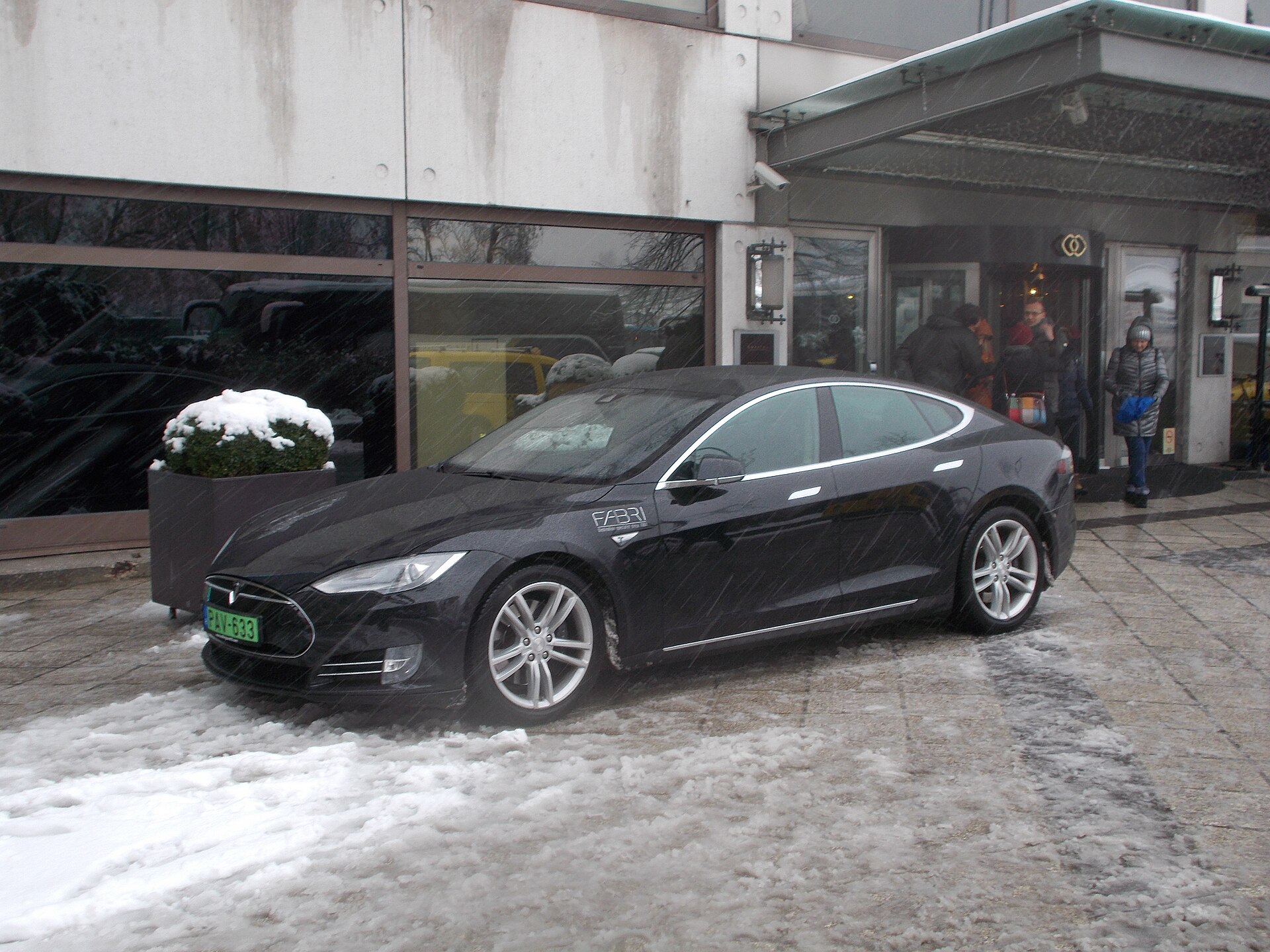
Its fleet consisted of Tesla Model 3 and Model S saloons. The service reached London, Paris, Amsterdam and Dublin. In 2021 the startup raised a $19 million Series A round led by venture capital and angel backers, as reported at the time. That injection was not enough to keep the operation going.

What Was UFOdrive's Core Business Model?
UFOdrive's model was built on battery-powered, app-based rental. Traditional rental firms ask customers to visit a depot, queue for keys and complete paperwork. UFOdrive removed those steps. A customer booked through the app and the car arrived at their location. The same app locked and started the vehicle, so no physical key changed hands.
The fleet gave customers a way to drive a premium EV without buying one. Rental periods were flexible and pricing was set to match legacy rental operators while delivering a contactless experience. The proposition appealed to business travellers, tourists and locals who wanted to try a battery-powered car before committing to a purchase.
Founding and Founding Team
UFOdrive was founded in Luxembourg in 2018 by Aidan McClean, a technology entrepreneur. He spotted a chance to pair rising curiosity about EVs with the ease of app-native services. The name was intended to feel futuristic, matching the novelty of electric motoring at the time.
The business began with a handful of cars in Luxembourg, then rolled out to other European cities. McClean served as CEO and was the public face of the operation, frequently speaking about the shift away from private car ownership. The early team brought together experience from automotive, tech and logistics.
Technology Platform and App Features
How the app controlled the car
UFOdrive's main differentiator was its software platform. The smartphone app let a customer book a car, find it, open it and start the motor with no human interaction. The keyless system relied on Bluetooth and a cellular data link. The app also handled billing, insurance and the return workflow.
Backend logistics
The startup spent heavily on the app and the backend that coordinated delivery and collection. The platform tracked each car's location, battery charge and maintenance status in real time. Customers could extend a rental inside the app, and the system recalculated charges automatically. The technology was built to strip out the friction that legacy rental companies tolerate, cutting steps rather than papering over them.
Operational Cities and Expansion
From its Luxembourg base, UFOdrive expanded to London, Paris, Amsterdam and Dublin. These cities were chosen for their density, strong tourist traffic and growing appetite for EVs. The push was fuelled by the $19 million Series A round announced in 2021.
The ambition was to plant a flag in urban markets where owning a car is costly or impractical. Because the firm offered delivery and collection, it could serve customers at airports, rail stations and hotels without leasing a physical counter. That asset-light setup let the business scale quickly, but it demanded tight logistics and a dependable fleet.
Funding and Key Milestones
Early backing
Before the Series A, the startup raised smaller seed cheques to launch in Luxembourg. The 2021 round, totalling $19 million, was a significant milestone and signalled investor confidence in the electric mobility sector. The capital was earmarked for city launches, fleet growth and platform development.
The end of the road
The business did not announce any later raises. By early 2024 UFOdrive had stopped taking bookings and entered liquidation after it could not secure additional capital or a buyer.
Fleet Composition and Vehicle Brands
UFOdrive ran an all-Tesla fleet. The Model 3 was the volume choice because of its lower price and longer range; the Model S served as the premium option for customers wanting more space and luxury.
Sticking to one marque was a deliberate branding move. It painted the service as premium and forward-looking, and Tesla's over-the-air software updates fitted the tech-first image. But relying on a single manufacturer also concentrated risk. Any supply-chain disruption or price hike at Tesla would have pushed up fleet costs. The firm never added other EV brands before it closed.
Key Facts
- Founded: 2018 in Luxembourg by Aidan McClean
- Business model: All-electric, app-based car rental with keyless access and vehicle delivery
- Fleet: Tesla Model 3 and Model S
- Operational cities: London, Paris, Amsterdam, Dublin, and Luxembourg
- Series A funding: $19 million in 2021
- Outcome: Ceased operations and entered liquidation in early 2024
Frequently Asked Questions
What happened to UFOdrive?
UFOdrive ceased operations and entered liquidation in early 2024 after failing to secure further funding or a buyer.
Did UFOdrive only rent Tesla vehicles?
Yes, the company's fleet consisted of Tesla Model 3 and Model S vehicles.
Which cities did UFOdrive operate in?
UFOdrive operated in London, Paris, Amsterdam, Dublin, and Luxembourg.
How did UFOdrive's rental process work?
Customers booked through the app, the car was delivered to their location, and they could unlock and start the vehicle using the smartphone app.
How much funding did UFOdrive raise?
The company raised $19 million in a Series A round in 2021.