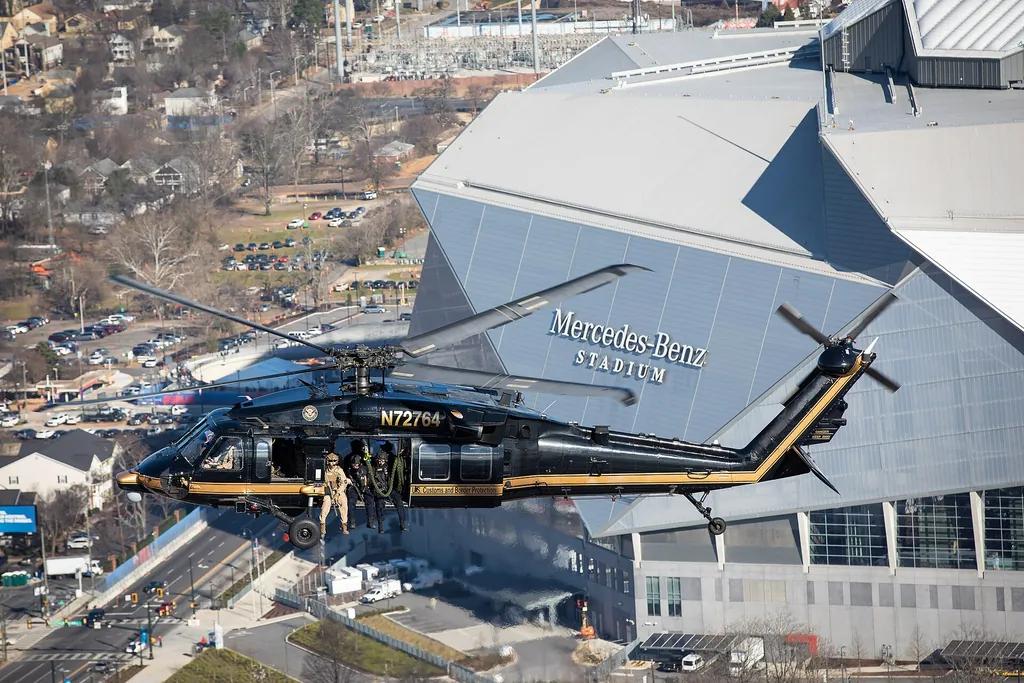
Super Bowl LIII, played on February 3, 2019, at Mercedes-Benz Stadium in Atlanta, drew corporate backers whose ties to the NFL stretched far beyond a single championship. Pepsi, Anheuser-Busch InBev and Lowe's were the league partners most visible around the game, and a 30-second spot on the CBS broadcast cost just over $5 million.
The NFL also used the broadcast to promote its upcoming 100th campaign, a milestone that shaped how several brands positioned their activations. That landscape has since shifted sharply. Pepsi ended its halftime show deal after the 2022 Super Bowl. Pizza Hut's four-year run as the league's pizza backer concluded in 2022. Visa hands off its payments category to American Express starting with the 2026 campaign. The financial terms and contract lengths for Pepsi, Anheuser-Busch InBev and Lowe's were not disclosed.
Pepsi's Seventh Year as Halftime Show Title Sponsor
The Halftime Deal
Pepsi was the title backer of the Super Bowl LIII halftime show, which featured Maroon 5 with guests Travis Scott and Big Boi. It was the seventh consecutive year Pepsi held that role and the 17th year the brand had been an NFL partner. The halftime arrangement began in 2013, when Pepsi took over from Bridgestone.
What the Run Produced
The decade-long Pepsi era oversaw performances by Beyoncé, Coldplay, Lady Gaga, and others. The relationship concluded after Super Bowl LVI in 2022.
The Successor
Apple Music replaced Pepsi in a multi-year deal reported at roughly $40 million to $50 million annually, according to reports at the time.
Anheuser-Busch InBev's Biggest Super Bowl Buy
Ad Dominance
Anheuser-Busch InBev, the league's exclusive beer backer, purchased five and a half minutes of advertising time during the Super Bowl LIII broadcast. No other advertiser bought more airtime that night.
Portfolio Play
Category exclusivity meant no competing beer labels could appear during the game. The company used its slots to run spots for Budweiser, Bud Light, and Michelob Ultra. Neither the value of the NFL partnership nor the Super Bowl ad package was disclosed. The company described it as its biggest Super Bowl buy yet.
The Automotive Category
League-Wide Rights
Hyundai was the NFL's official automotive partner in the 2018 season. Its deal ended after that season and left the category open; Toyota eventually took it in October 2023.
Contract Status
Neither deal's length or value was published.
Lowe's Joins as Official Home Improvement Retail Sponsor
A Late Entry
Lowe's became the NFL's home improvement retail backer on January 22, 2019, less than two weeks before Super Bowl LIII. The timing let the company activate around the championship almost immediately. Lowe's tied the new partnership to the NFL's 100th-season celebration. The agreement was announced without financial terms or a stated duration.
An Empty Category
The category had been Home Depot's until about two years earlier, so Lowe's filled a slot that had stood empty.
NFL's 100th Season Celebration Activation
The League's Own Platform
The NFL used Super Bowl LIII to promote its 100th campaign. The activation included on-field branding, television segments, and digital content highlighting league history. The centennial push was not a sponsorship itself but a league-run initiative that shaped how partners presented themselves.
Brand Tie-Ins
Lowe's, in particular, linked its new partnership directly to the centennial. The league did not disclose the production cost of the celebration or whether partners contributed funding to it.
Where Things Stand Now
Halftime and Pizza
Several relationships active during Super Bowl LIII have since changed. Pepsi's halftime show run ended after the 2022 Super Bowl. Apple Music took over in a multi-year deal reported at roughly $40 million to $50 million annually. Pizza Hut, the league's pizza backer for four years, was succeeded by Little Caesars in 2022.
Payments
Visa, the league's payments partner during the 2018-19 campaign, hands off to American Express starting with the 2026 season. Visa's sponsorship ended in March 2026 after nearly three decades.